Look beyond the name air plant
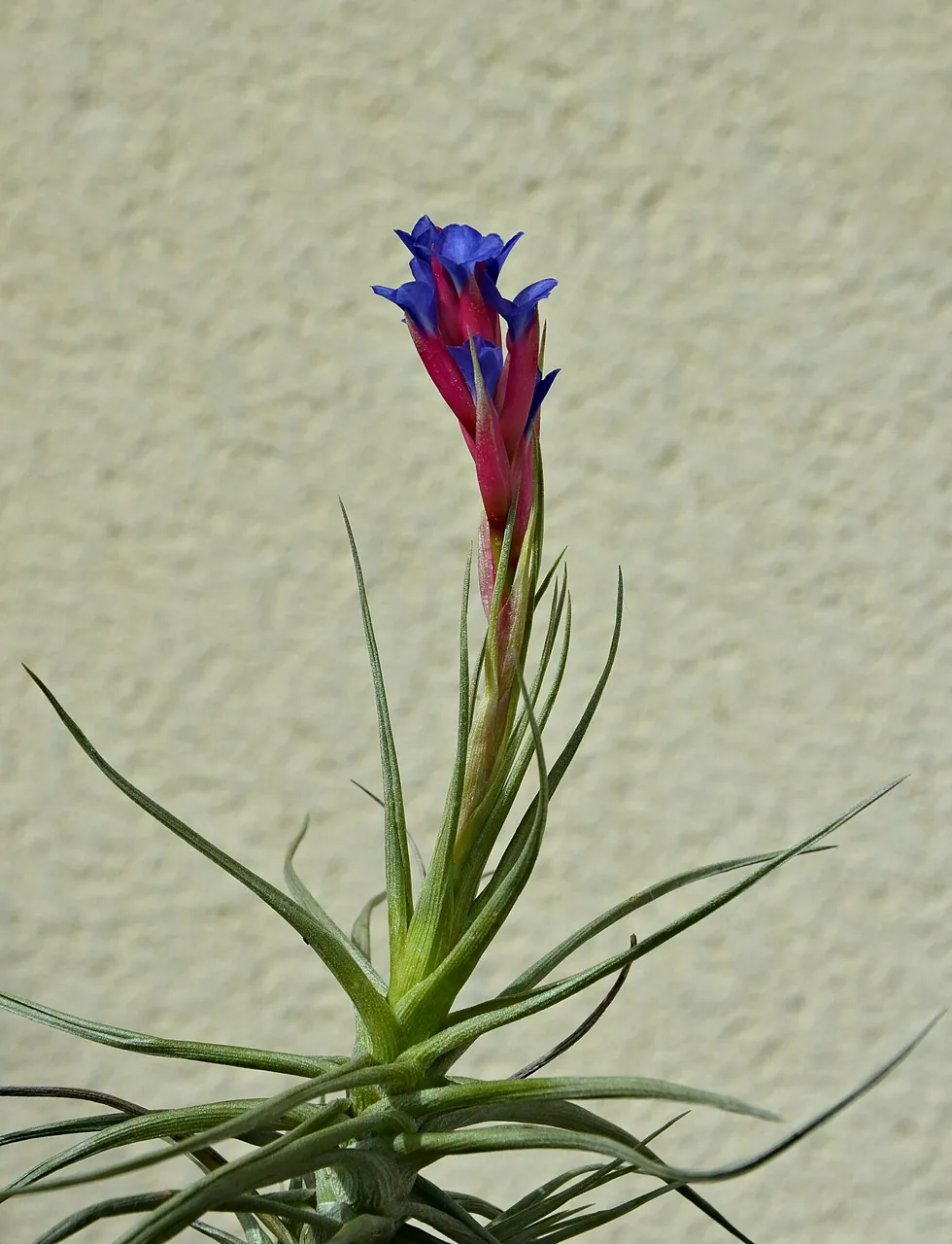
Tillandsia includes plants from varied habitats, so a single universal soaking schedule is a poor starting point. Keep the species name if known and note whether leaves are fine and green or thick and silvery. Those features can guide further research but should not replace identification. Inspect the base and growing centre when buying. A plant glued deeply into a decorative object may be difficult to water, dry and examine even if the arrangement looks attractive.
Match water to the actual plant
Air plants do need water; their name refers to their growing habit, not independence from moisture. Depending on the species and conditions, thorough rinsing or soaking may be appropriate, while flowers and some forms require particular care. Use species-specific guidance and observe the plant rather than applying a fixed ritual to every specimen. Record how it looks before watering and after it has dried. This helps distinguish normal changes in leaf colour from a persistent loss of firmness.
Make drying part of the process
After watering, allow excess to drain and place the plant where air can circulate, paying attention to water trapped between leaves or around the base. Do not immediately seal a wet plant back inside a narrow glass globe. Check how long the display stays damp in your room, especially during cool weather. If the plant is mounted, ensure the mounting material is suitable and does not hold the base in a constantly wet pocket that is difficult to see.
Design for care as well as display
Choose a holder that can be opened or lifted easily and place it in suitable bright light for the species. A striking shelf far from daylight may sustain the ornament's appearance while the plant slowly declines. Inspect for pests, damaged tips and developing offsets during watering. Keep a simple note of watering method, drying conditions and new growth. The most successful air-plant display is one whose maintenance is obvious and practical, so the living plant remains the focus rather than becoming an expendable insert in a decorative object.
A little further reading
Match these general notes to your plant variety, climate and local conditions.