Measure the depth that roots can use
Choose a carrot variety before choosing the container. Short-rooted types need less depth than long varieties, but all need space below the expected root length. Measure from the finished mix surface to the actual base, allowing for the watering gap at the top. Do not count a false bottom or a thick stone layer as growing space. Check drainage openings and select a container that remains stable when full. A deep narrow pot can become awkward to move once the crop is established.
Prepare an even rooting medium
Use a suitable fine, stone-free growing medium without compacted layers or large undecomposed lumps. Fill and settle it evenly rather than packing it hard. Carrots are usually sown directly where they will grow, avoiding the root disturbance that can accompany transplanting. Mark shallow rows or a simple pattern so later thinning is manageable. Keep the seed packet with the planting notes. A named variety and known spacing make misshapen or undersized roots easier to interpret than a mixed handful of unidentified seed.
Protect the germination interval
Carrot seedlings can be slow to appear, and a drying surface can interrupt establishment. Check the seed layer regularly and water gently enough to avoid washing seed into clumps. Retain the label and resist resowing immediately because nothing is visible after a few days. Once seedlings are large enough, thin carefully to the recommended spacing. Avoid disturbing neighbouring roots more than necessary. Where carrot fly is a local problem, use appropriate fine insect mesh from the beginning rather than waiting until damage is already apparent.
Harvest a sample and learn from it
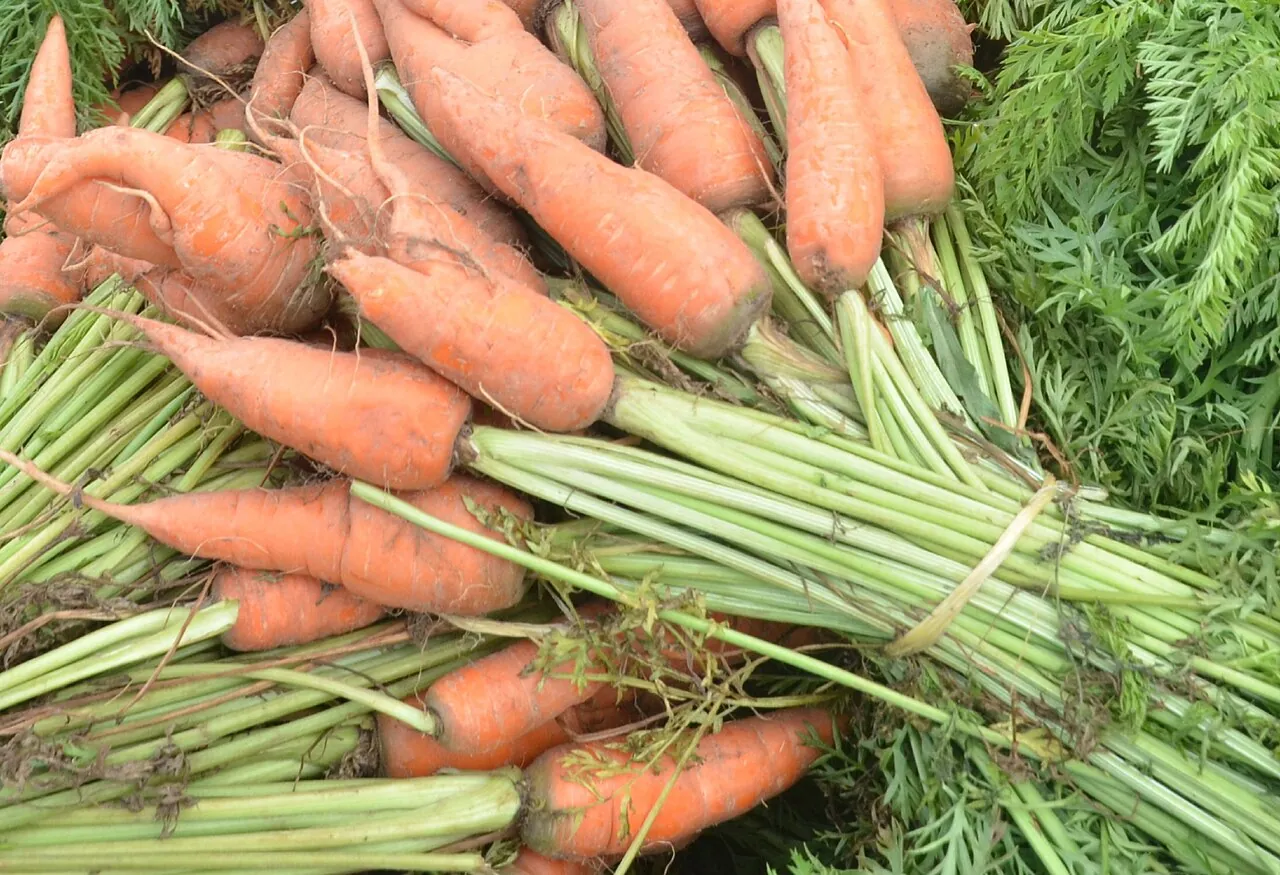
Lift a representative root when the crop approaches the expected size, loosening the mix if pulling would snap it. Compare its length with the container depth and inspect whether neighbouring roots were crowded. A few irregular carrots are still useful, but repeated forking or stunting deserves a review of the medium and spacing. Record the harvest date and a photograph of the roots beside a ruler. That small piece of evidence helps you choose a better container or variety next time without assuming every misshapen carrot resulted from the same cause.
A little further reading
Match these general notes to your plant variety, climate and local conditions.