Observe from outside the planting
Before cutting a hedge, shrub or climber, spend time watching from a distance where your presence does not interrupt normal movement. Look for repeated visits to the same point, birds carrying material or food, and other signs of occupation. Avoid pushing branches apart simply to satisfy curiosity. A quiet few minutes is not proof that the structure is empty. Consider the species, season and local circumstances, and use relevant wildlife guidance when deciding whether work can proceed.
Make uncertainty a reason to pause
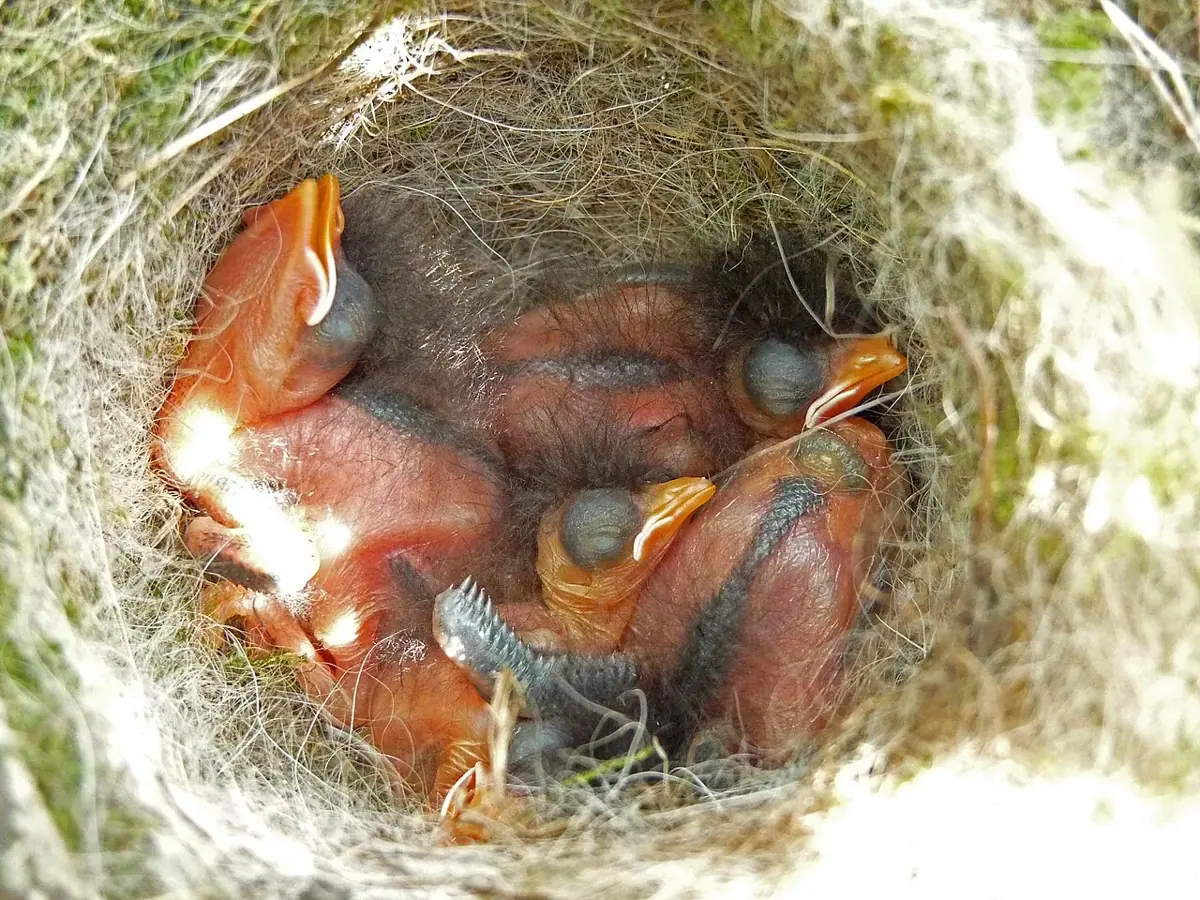
If you suspect an active nest, stop the planned work around it and keep people and pets from causing unnecessary disturbance. Do not move a nest to a more convenient place or assume a quick trim will be harmless. Consult local wildlife authorities or suitable conservation guidance for the situation. Rules and sensitive periods differ by region, so avoid relying on a calendar copied from another country. The practical priority is to leave occupied habitat undisturbed while you clarify the next step.
Tell everyone involved in the job
Mark the postponed area in your maintenance notes and explain it to anyone who helps in the garden. A discreet reminder at the tool store may be more useful than a visible marker placed close to the nest itself. If a contractor is involved, communicate the observation before work begins. Change the task list so there is another useful job available; this reduces the temptation to continue merely because the tools have been prepared or time has been booked.
Reassess without repeated intrusion
Watch from a suitable distance rather than checking inside the planting every day. Seek advice if you are unsure when the area is no longer occupied. When maintenance can resume, consider a routine that preserves suitable structure and avoids future conflicts as far as possible. Keep the location in your garden record; an ordinary-looking patch may be a valuable recurring nesting site. Knowing that history helps you plan the next season's work before a new cutting date becomes inconvenient.
A little further reading
Match these general notes to your plant variety, climate and local conditions.