Confirm where the flies are coming from
Watch whether small dark flies run over the compost surface or emerge when the pot is disturbed. Fungus gnats are associated with damp organic growing media, but not every small household fly comes from a plant. Check nearby drains, fruit and other possible sources before treating the collection. A sticky monitoring card placed appropriately near a suspect pot can help show activity over time, but identification still matters. Record which pots are involved rather than assuming every container needs the same intervention.
Distinguish nuisance from root damage
Adult gnats can be annoying, while the compost-dwelling larvae are the stage relevant to vulnerable roots. Seedlings and soft cuttings deserve closer attention than large established plants, which often tolerate the presence of some gnats. Inspect growth and root conditions instead of treating the number of flying adults as the only measure of harm. If young plants are declining, consider damping-off and other moisture-related problems as well. A precise description of symptoms helps choose a response suited to the actual issue.
Correct excessive dampness carefully
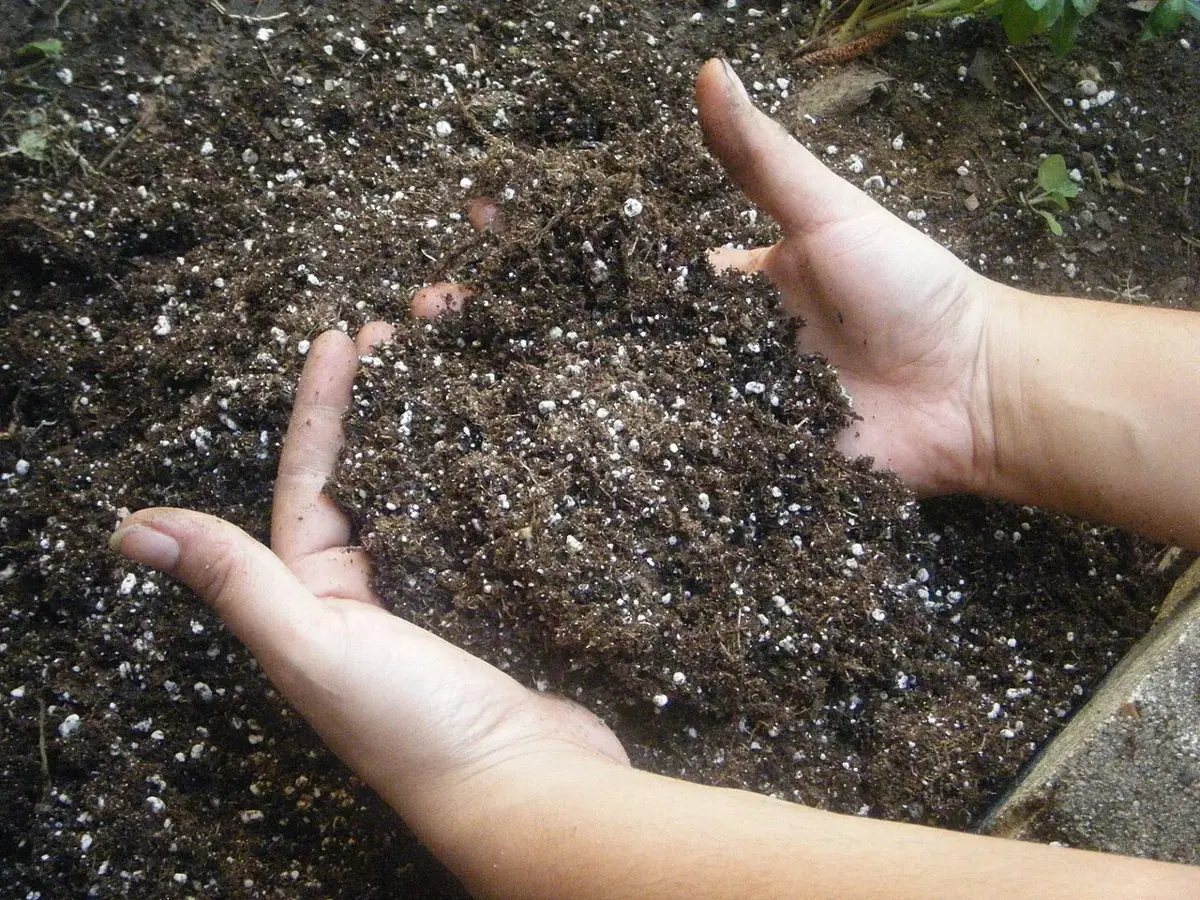
Check whether the pot is too large for the roots, the drainage is blocked or an outer container holds water. Adjust watering so the surface is not kept continually wet where the plant can tolerate a drier interval. Do not impose a severe drought on a moisture-loving species merely to discourage flies. Remove decaying surface debris and keep propagation areas clean. Choose suitable potting media for the job. Covering the surface may hide the symptoms without correcting the wet root environment that made the problem persistent.
Use targeted follow-up where needed
For a significant problem, consult current guidance on appropriate biological or labelled controls for larvae, including their moisture and temperature requirements. Monitoring adults alone does not eliminate the immature stages already in the pot. Keep notes on counts, watering changes and seedling condition over successive checks. Avoid repeatedly replacing all the compost before understanding why it stayed wet. The most durable improvement usually combines correct identification, suitable root conditions and any targeted treatment that the scale of the problem actually requires.
A little further reading
Match these general notes to your plant variety, climate and local conditions.