Start with the foliage calendar
Many familiar ornamental alliums begin losing their leaves around flowering time. This can be perfectly normal rather than evidence of drought or disease. Before choosing companions, note when your particular allium flowers and how high its foliage reaches. A plant that emerges too late will not soften the yellowing leaves; one that becomes dense too early may overwhelm them. Use a small group to test the timing before committing to a long repeated border.
Build a low layer with breathing room
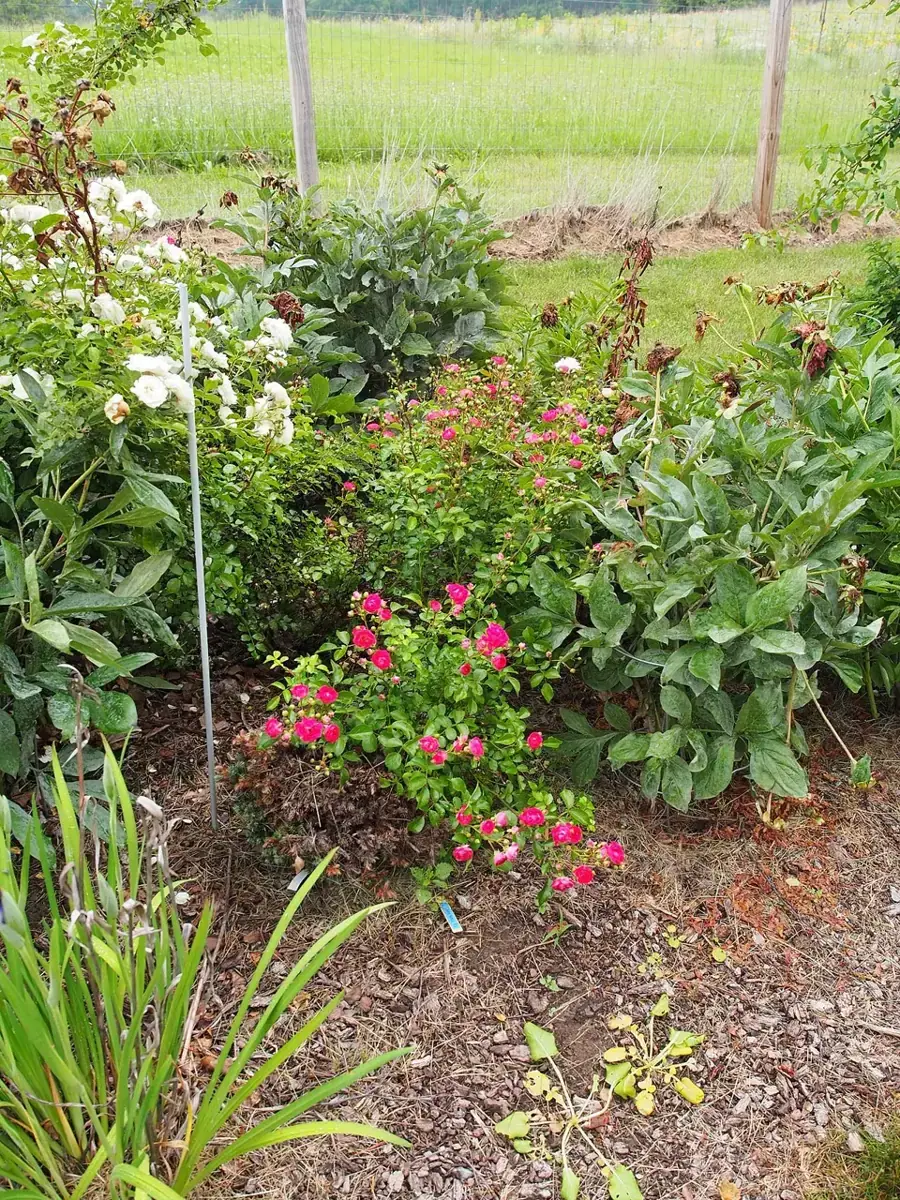
Choose lower-growing neighbours that suit the same site and leave the allium stems clearly visible. A loose mound or fine-textured grass can make the flower spheres appear to float, but the exact plant should be selected for your climate and soil. Avoid filling every gap at planting time. Sketch the mature outlines and allow them to meet without forcing crowns directly against bulb positions. The design should still permit a hand to reach the soil for inspection.
Preserve the location after leaves disappear
Mark bulb groups with discreet permanent labels or a simple measured plan. Once the alliums are dormant, the open soil can look deceptively available for another plant. Accidental digging is easier to prevent than repair. Most commonly grown ornamental alliums favour sun and drainage, but check the species before treating every allium identically. If the bed receives heavy summer irrigation for neighbouring plants, consider whether that arrangement suits the bulbs rather than assuming one watering pattern works for the whole border.
Let the seedheads earn their place
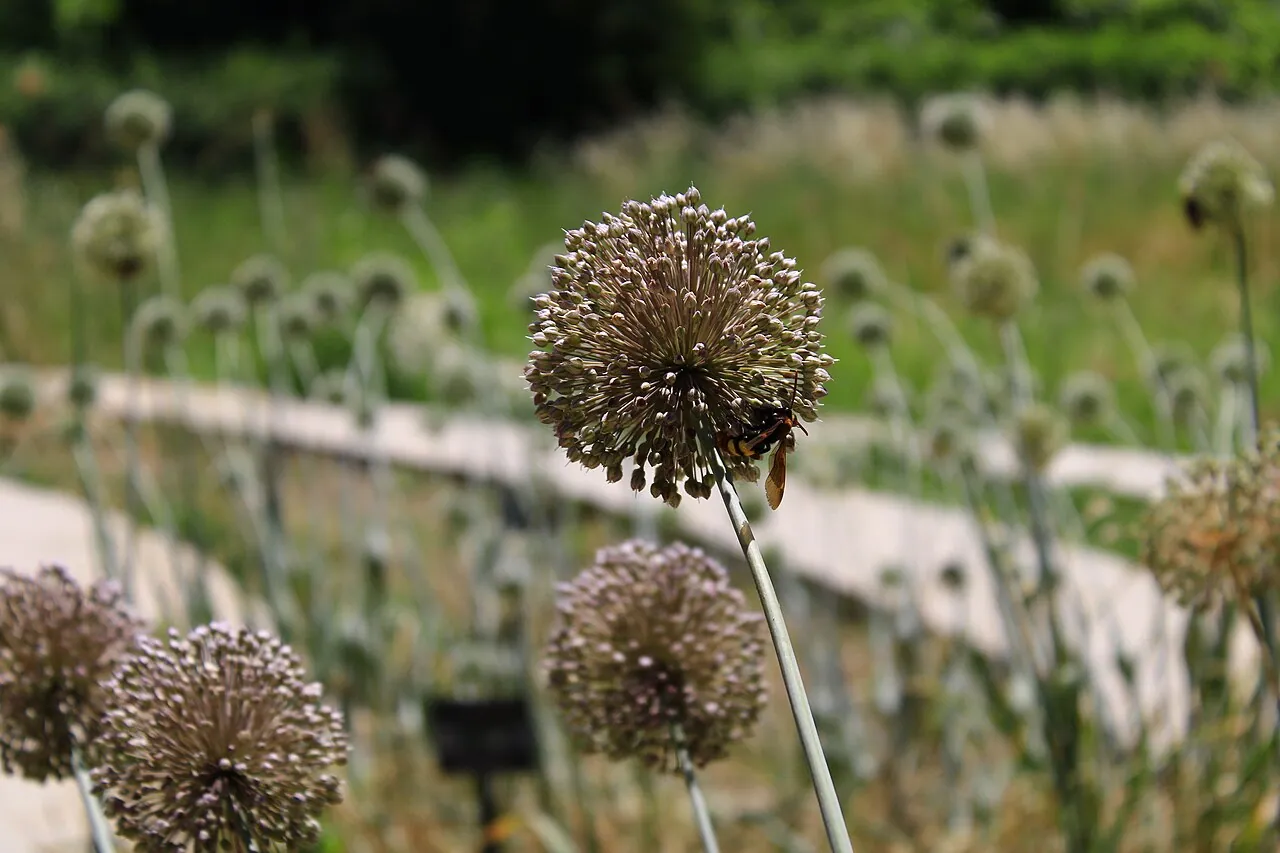
Faded globes can retain a strong sculptural outline, especially against darker foliage. Leave a few and assess them from the main viewing point before cutting all the stems down. If self-seeding would be inconvenient, remove heads before seed is shed. Photograph the border at flower peak and again with dry heads present, then decide which stage contributes more. This gives the alliums a considered role beyond their brief burst of colour and helps determine whether next year's planting needs more bulbs or simply a better surrounding layer.
A little further reading
Match these general notes to your plant variety, climate and local conditions.