Choose a manageable collection
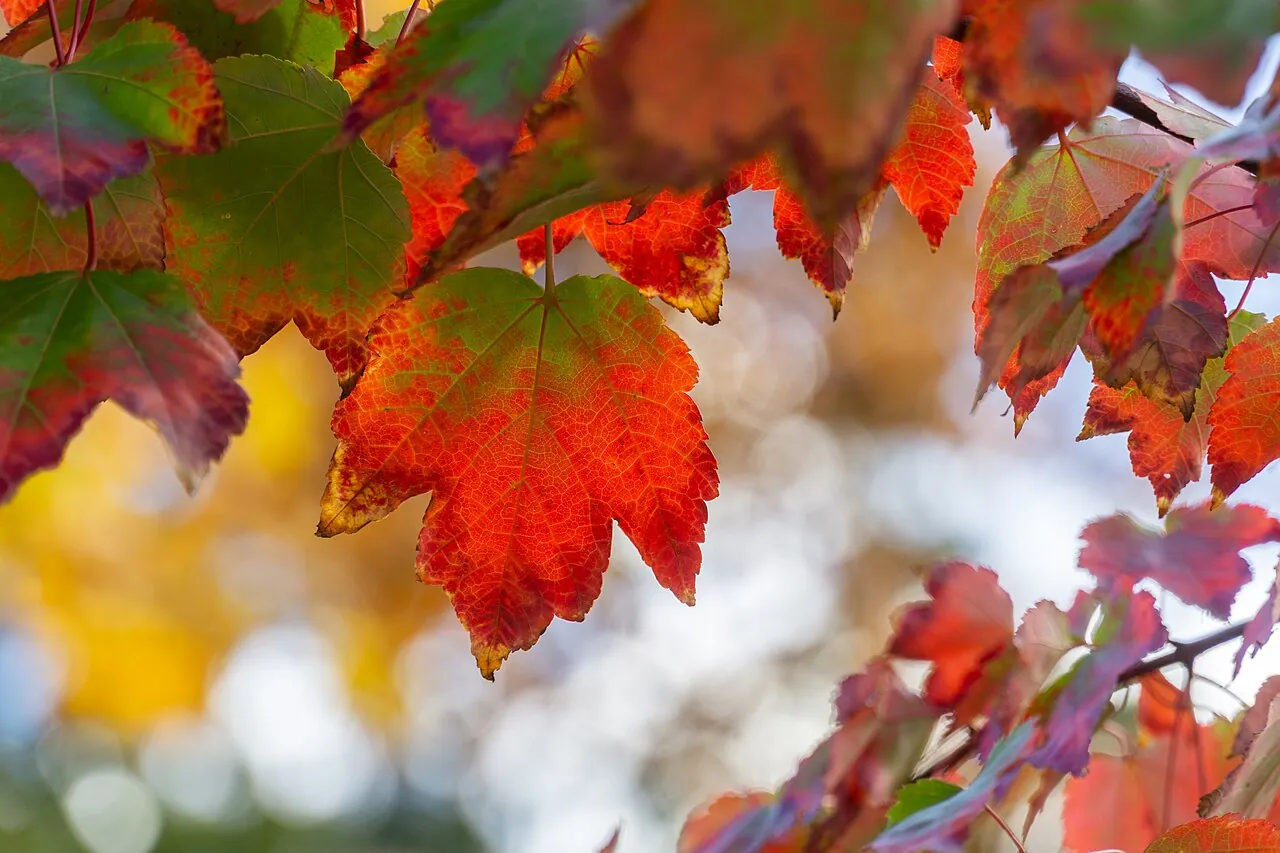
Collect suitable fallen leaves from your own garden or a place where collection is permitted. Remove litter and avoid obviously contaminated material. Different leaf types break down at different speeds, so label a batch if it contains mainly thick leathery leaves or conifer needles. Do not strip every sheltered corner bare merely to maximise production; retained leaf litter can have a role in the garden too. A few manageable bags are easier to monitor than an enormous pile that becomes a permanent obstacle.
Make a small holding space
Use a simple mesh enclosure or suitable perforated bags that retain the leaves while allowing some air and drainage. Moisten dry leaves before closing or stacking the bags, and choose a sheltered position where the collection will not blow away. Leave access for checking moisture and retrieving the finished material. Write the collection season on a durable label. Several bags gathered in different years look much alike once weathered, and guessing their age makes it harder to decide how they can be used.
Let decomposition follow its own pace
Leaf mould is generally slower to form than a well-managed mixed compost heap. Shredding can help some leaves break down, but avoid turning the task into more work than the small garden can justify. Check occasionally that the material has not dried completely, especially in warm periods. If it remains recognisably leafy, give it more time or use it in a way appropriate to its stage. A calendar estimate is useful for planning but does not replace examining the actual texture.
Match the finished material to the job
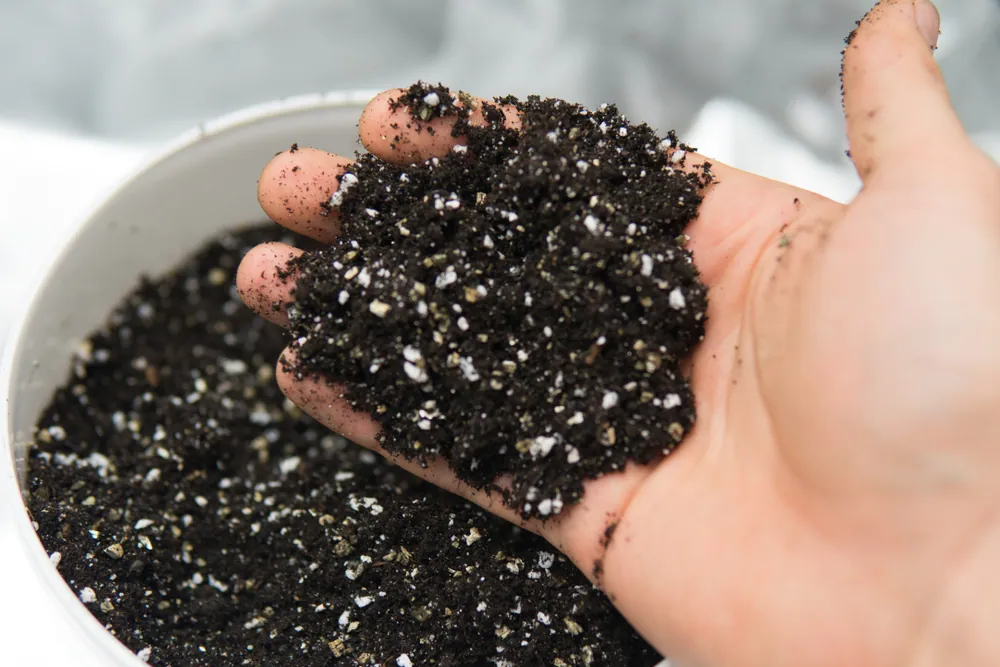
Coarser, partly decomposed leaf material can be useful as a surface mulch or soil conditioner where suitable. Finer well-rotted leaf mould has different possible uses, but it is not automatically a complete nutrient source or a sterile seed-sowing medium. Check its condition and the intended application before replacing a formulated potting mix with it. Keep one small sample from each batch in a labelled pot for comparison. Over time, this shows which local leaves produce the texture you prefer and how much storage space the process realistically needs.
A little further reading
Match these general notes to your plant variety, climate and local conditions.