Notice the ground already in use
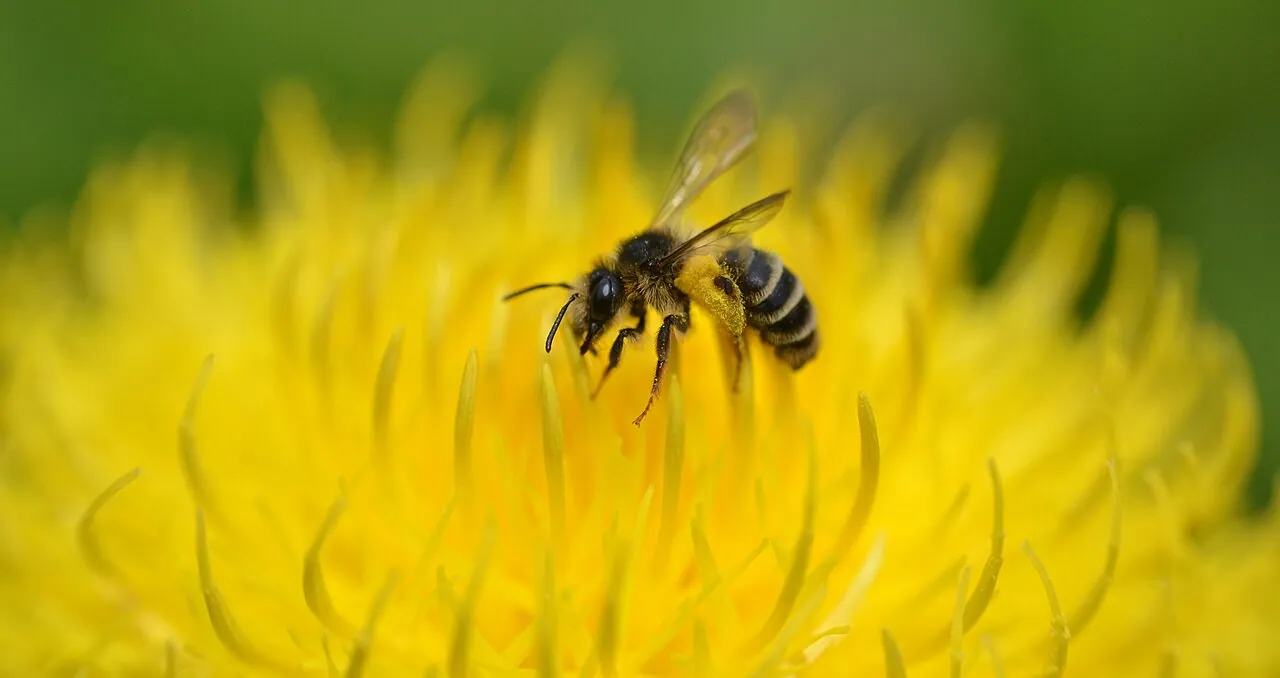
Look for small holes and repeated insect activity in sunny, relatively undisturbed soil. Observe from a comfortable distance instead of probing an entrance to see what is inside. Not every hole belongs to a bee, and accurate identification may require photographs or local expert help. Make a sketch of the location if you need to remember it during later maintenance. An occupied patch is more informative than a newly prepared area chosen only because it looks tidy beside a path.
Keep a modest area available
Where conditions are suitable, leave some ground without a thick covering of mulch or dense planting. Choose a place that does not need regular cultivation and is not vulnerable to erosion or routine foot traffic. Different species use different substrates, so avoid assuming one purchased sand mix will serve every visitor. Use regional conservation advice to understand likely needs. A small, appropriate patch can be integrated beside planting without clearing large areas or disturbing the whole border.
Protect it from ordinary garden jobs
Mark the area discreetly so another gardener does not immediately cover it, dig it over or place a container on top. Keep records of any observed activity before scheduling changes. Avoid directing unnecessary irrigation or runoff into an occupied nesting area. If you need to work nearby, take time to identify what is happening first. The value of the patch often comes from its stability; repeatedly reshaping it to make it more attractive defeats that purpose.
Think beyond one season
Some nests remain occupied when there is little visible surface activity. Do not assume a quiet entrance means the ground is unused. Keep the area available through the relevant life cycle and consult local guidance before disturbing it. Add suitable flowering resources nearby without digging through the protected patch. A simple annual photograph and a note of observed visitors can help you maintain the habitat. Success need not mean a dramatic cluster of insects immediately appearing in the first week.
A little further reading
Match these general notes to your plant variety, climate and local conditions.