Identify the edge's practical job
A path edge, retaining wall, raised bed and step each have different requirements. Mark places where feet, wheels or doors need clear space. Do not soften a change in level so thoroughly that it becomes difficult to see. Check drainage channels and joints that must remain accessible. Photograph the hard edge before planting and identify the sections that feel visually abrupt. You may need to interrupt only a few stretches rather than cover the entire boundary with foliage.
Choose a plant that can be contained
Look at mature spread, rooting behaviour and pruning needs, not only the nursery label's height. A low plant can still travel a long distance or root into joints where removal is awkward. Match it to the heat and dryness near paving, or to the damp shade beside a wall. Avoid selecting a vigorous spreader simply because it promises quick coverage. The desired effect is a manageable overlap, with enough space behind the edge for the plant's main body and roots.
Place the crown behind the line
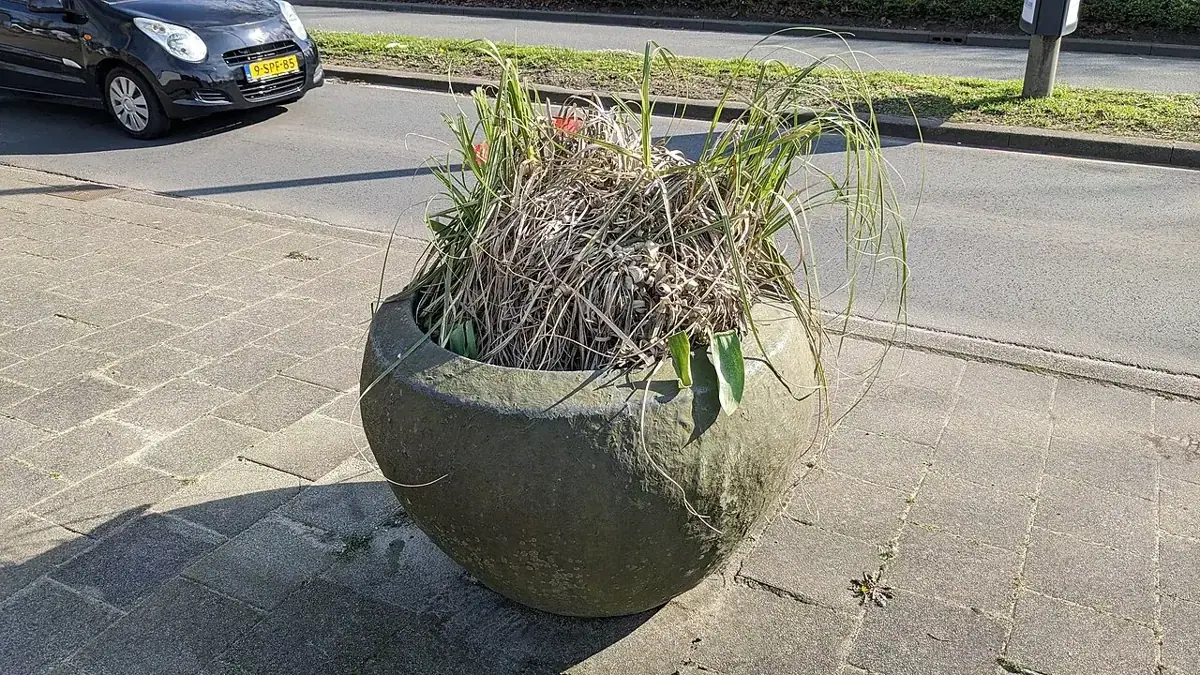
Set the plant where it can grow toward the edge without forcing its crown into a narrow crack or over the walking surface. Use a temporary pot to test the eventual overhang. Keep soil and mulch from washing onto paving, especially on slopes. Where containers are used, make sure they are stable and their drainage does not create a slippery patch. An attractive spill of leaves should emerge from a healthy planting position rather than conceal an unstable pot or poorly filled gap.
Edit the outline through the season
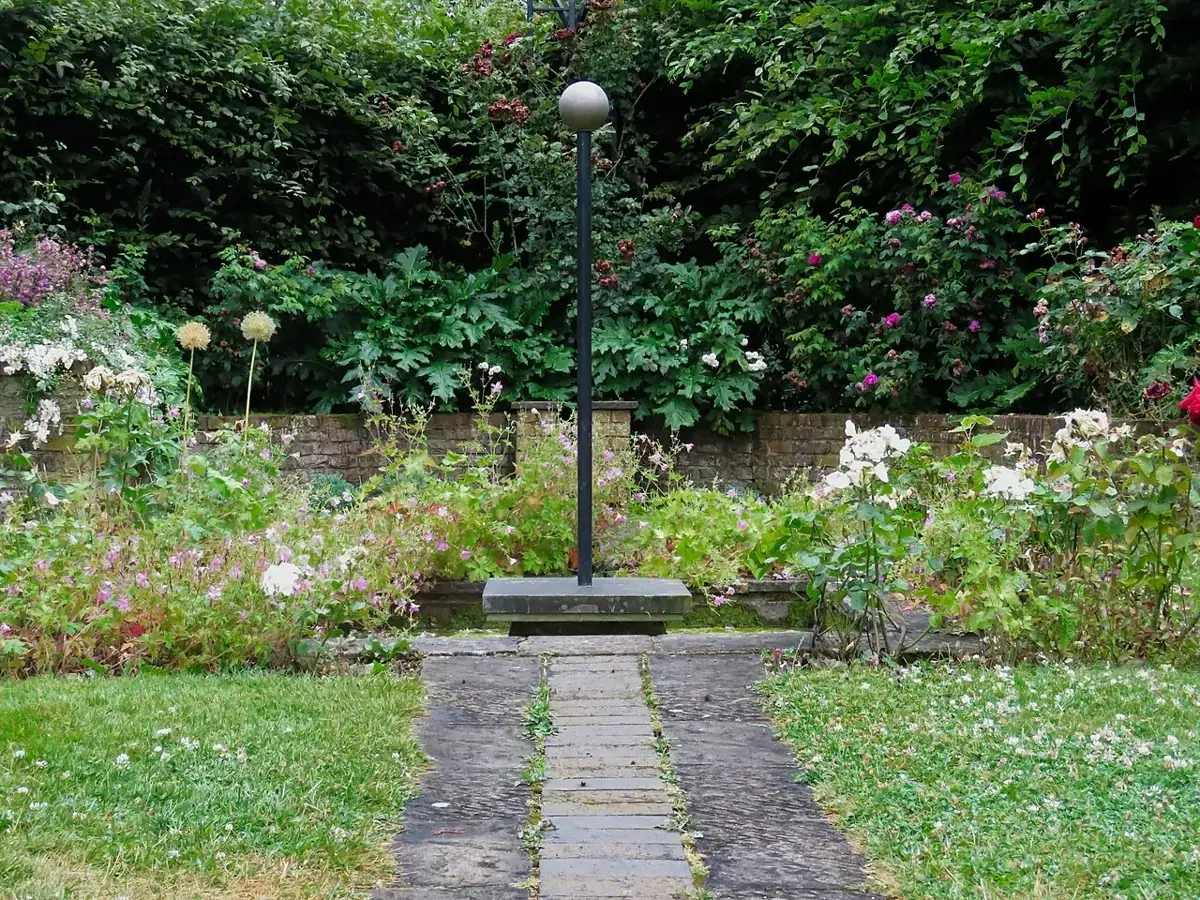
Check the edge after rain and during peak growth, when leaves may hang lower than expected. Trim selectively or reposition the plant before the route becomes uncomfortable. Leave some hard material visible so the contrast remains clear. A completely hidden edge can make a small space feel less organised rather than softer. Take a second photograph from the original viewpoint and compare it with the unplanted version. The useful result combines a gentler visual line with the same clear, dependable movement through the garden.
A little further reading
Match these general notes to your plant variety, climate and local conditions.