Sort plants by actual vulnerability
Identify seedlings, newly planted specimens, thirsty crops and exposed hanging baskets first. Established plants in suitable ground may need less attention than a small pot on hot paving. Make a short list with locations, rather than asking a helper to water everything equally. Check the forecast near departure but remember it can change. A plan should explain what to inspect, not only what to do on a particular day. Mark priority plants clearly enough that someone unfamiliar with the garden can find them.
Reduce avoidable water loss
Move portable containers to a suitable sheltered position where they receive less intense heat, while retaining appropriate light. Test the new location before leaving so it does not introduce another problem. Group compatible pots where checking is convenient, but do not put every species into standing water. Harvest ripe produce and tidy only as appropriate for the plants involved. Avoid major repotting or drastic pruning immediately before departure, when you will not be present to monitor recovery or adjust care.
Run the system while you are home
Test drippers, capillary systems or reservoirs over several days using the actual pots and positions. Measure whether they deliver enough water without leaving the roots persistently saturated. Check the end of a drip line as well as the nearest outlet. Replace weak batteries and confirm that a timer resumes correctly after any interruption. A new device installed on departure morning has not yet earned your confidence. Keep a manual backup route and show a helper how to turn the system off if a connection leaks.
Leave concise, visible instructions
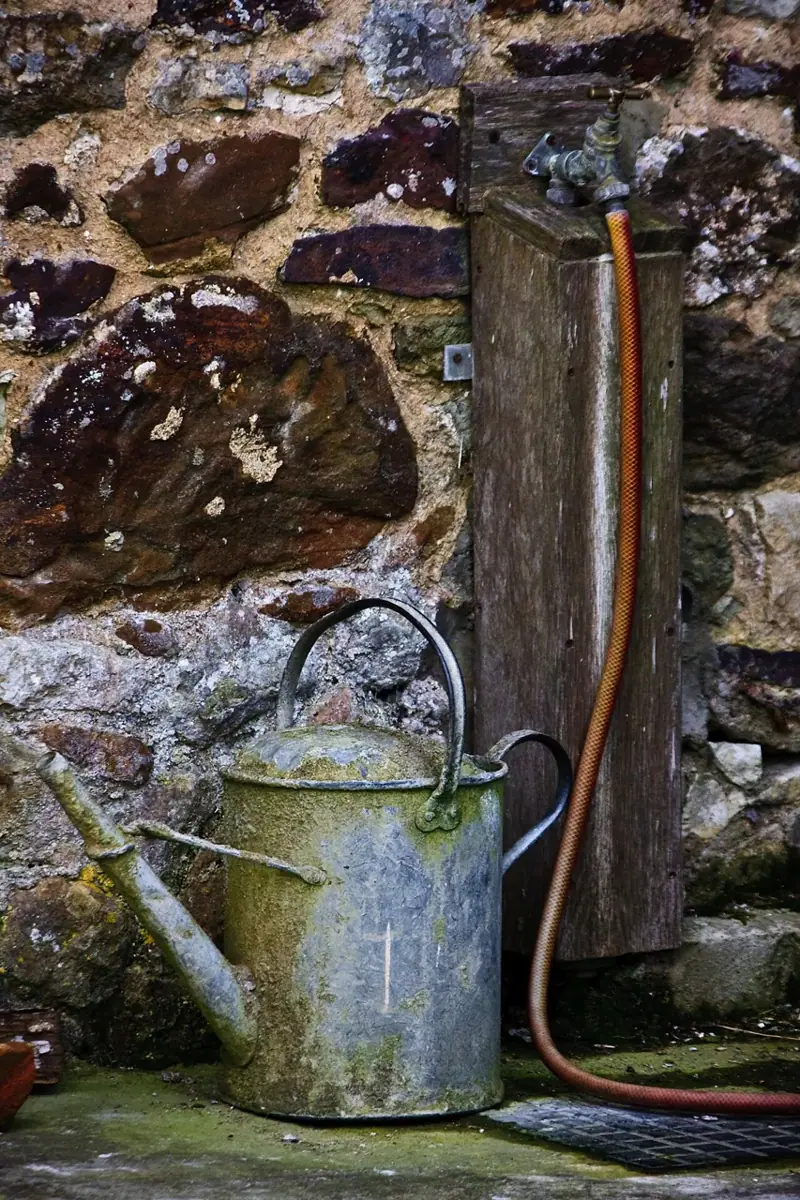
Use a simple map and a few plant groups with specific moisture checks. Demonstrate one typical watering rather than writing an essay about the collection. Leave the can, tap access and any necessary keys ready. Explain which decorative outer pots must be emptied and which plants should be left alone unless dry. When you return, compare the results with the plan and thank the helper with useful feedback. The next trip becomes easier when the instructions reflect what actually happened rather than what you hoped the plants would need.
A little further reading
Match these general notes to your plant variety, climate and local conditions.