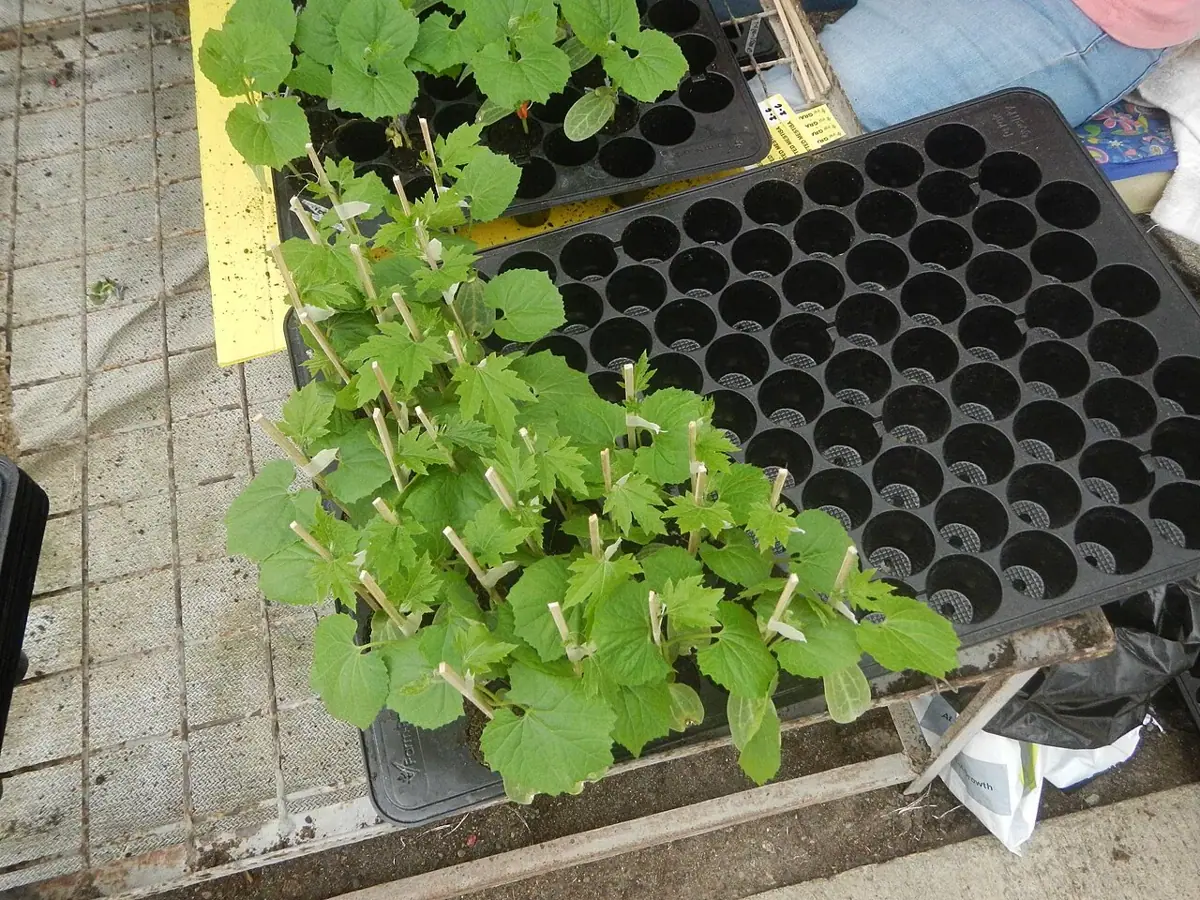
Check suitability before lifting
Some herbaceous perennials, including oriental poppies and certain phlox, can be increased from root cuttings. Many other plants cannot be propagated reliably this way. Verify the exact species and suitable season, commonly dormancy, before disturbing the parent. Avoid collecting roots from an unidentified plant or one showing disease. Plan the number of new plants needed and take only a modest proportion of the root system so the established plant retains enough resources to recover.
Keep orientation visible on the bench
Lift or expose suitable healthy roots carefully and prepare them according to species guidance. For thicker root cuttings planted vertically, distinguish the end nearest the crown from the outer end. A consistent straight-versus-sloping cut can help preserve that information. Lay sections in the same orientation while working, and label different plants immediately. Thin roots may need a horizontal method instead, so do not apply the same positioning rule to every root thickness without checking.
Use a container that supports observation
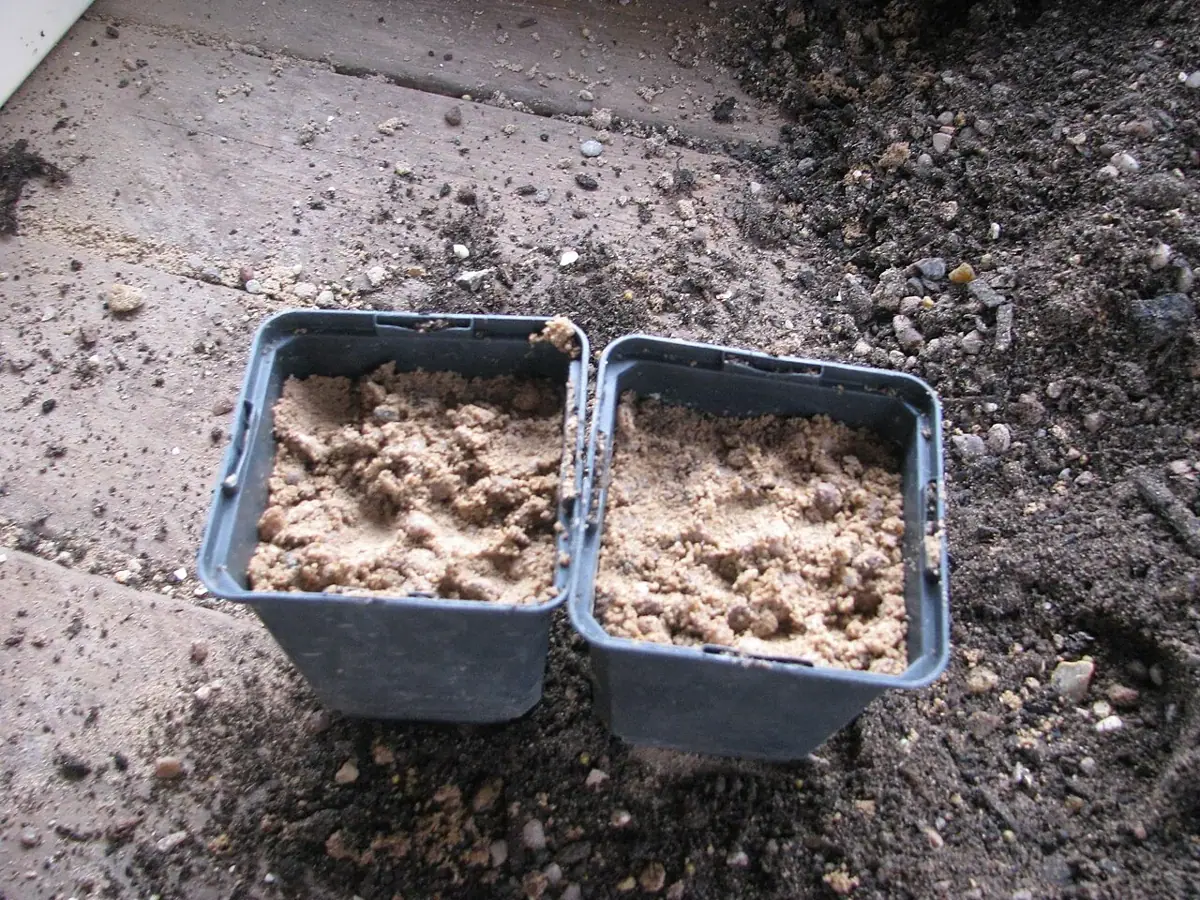
Place prepared sections in appropriate propagation medium at the recommended depth and orientation. Water carefully and provide the conditions suitable for the species, avoiding an excessively wet container. Mark where sections were placed so emerging shoots can be recognised and accidental probing avoided. Keep a note of root thickness and preparation method if trying a small comparison. The container should be deep enough for the chosen method but not so large that moisture becomes difficult to manage around a few tiny pieces.
Wait for a complete young plant
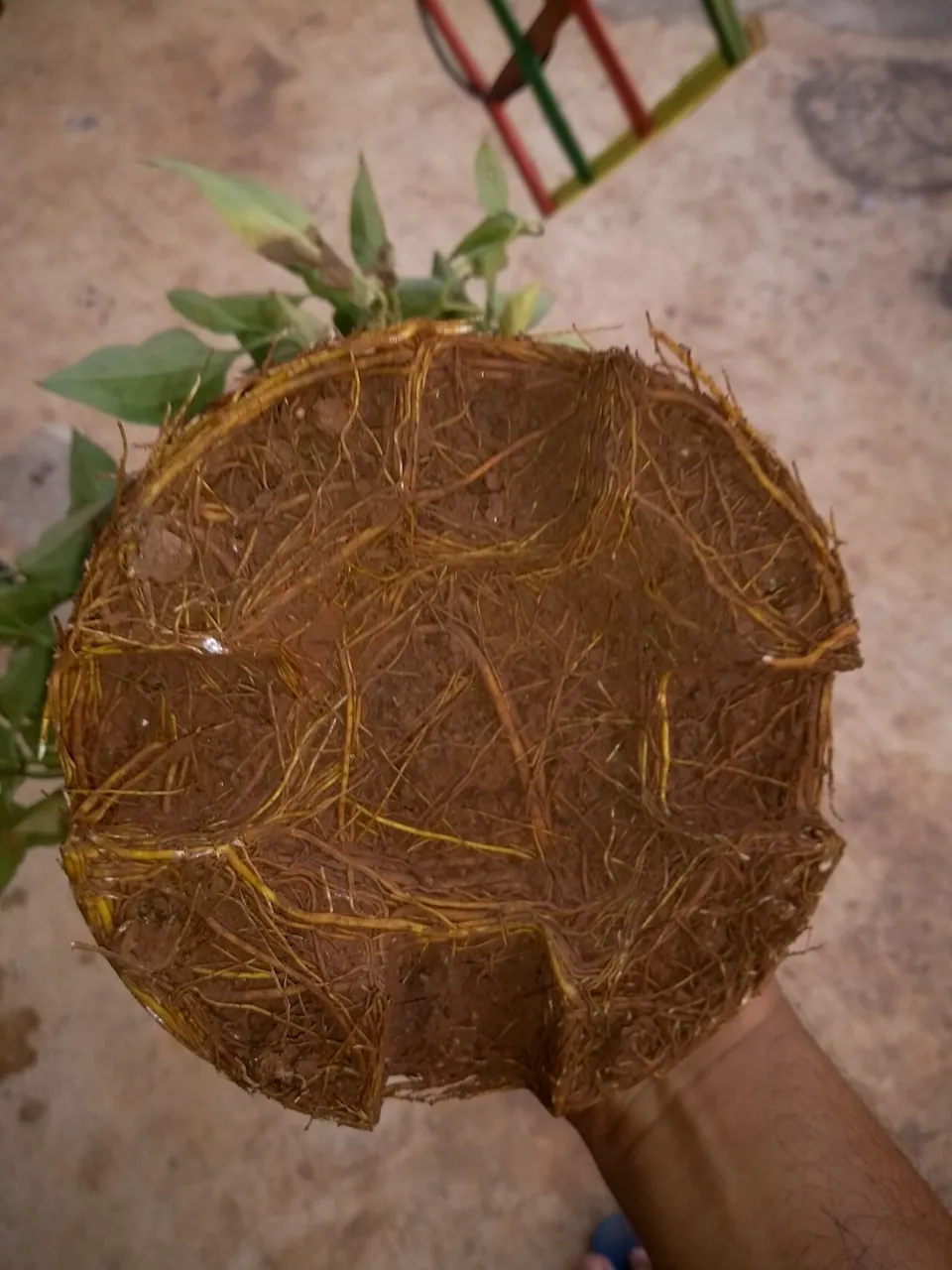
Shoot emergence is encouraging, but the new plant also needs a functioning root system before potting on. Follow the species' expected development rather than moving every shoot as soon as it appears. Inspect for decay and remove clearly failed material carefully. Record the number of root sections used and the number of established plants eventually produced. That final result is the meaningful measure of success. If the parent was grafted or has special variegation, check whether root propagation will preserve the desired form before investing in a method that could produce the wrong plant.
A little further reading
Match these general notes to your plant variety, climate and local conditions.