Start with three destinations
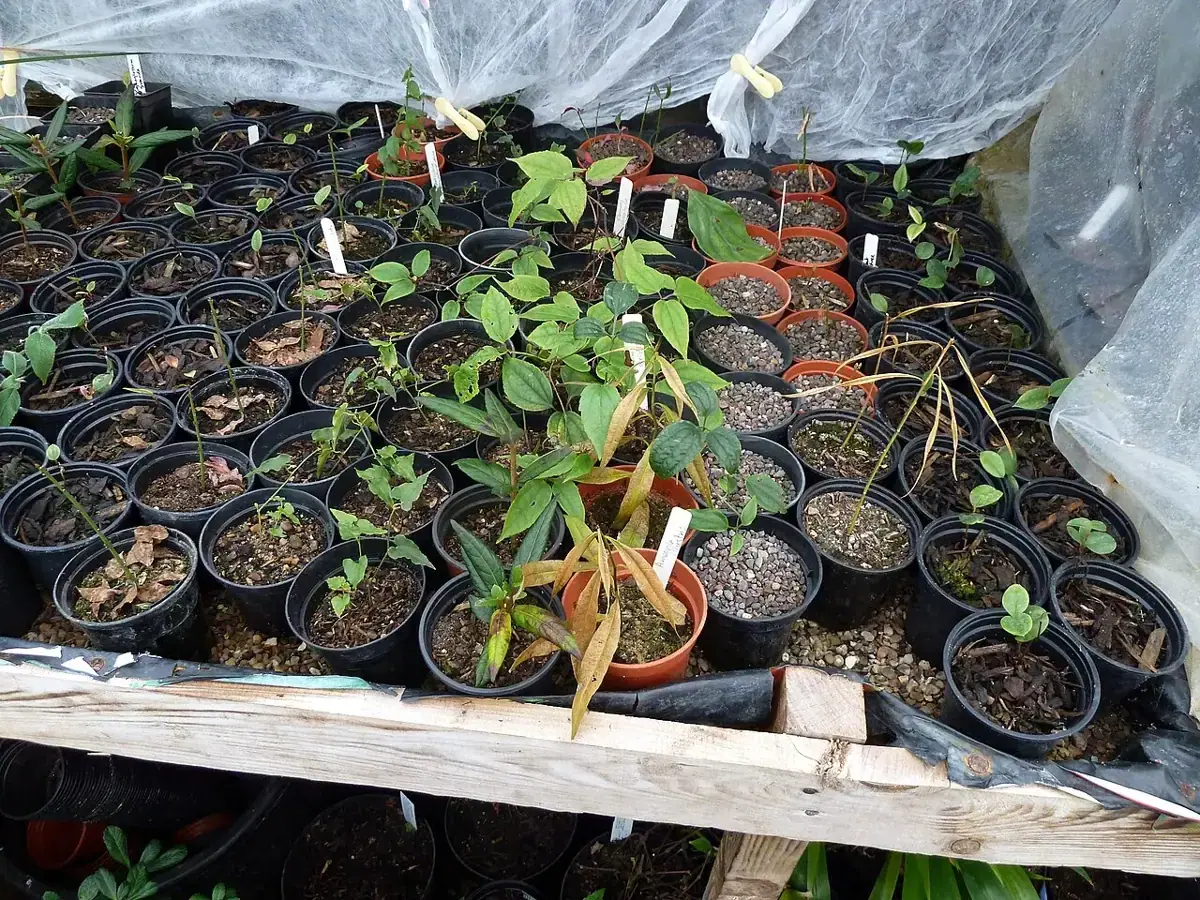
Set three trays on the bench: plants staying outside, plants needing protection, and plants whose identity or hardiness needs checking. This simple sorting job reveals what actually requires attention. A tender pelargonium and a hardy perennial can look equally tired in autumn while needing very different treatment. Check the named plant rather than guessing from the shape of its leaves. Keep labels attached while you rearrange pots; a lost label becomes especially inconvenient once top growth disappears.
Prepare the space before the move
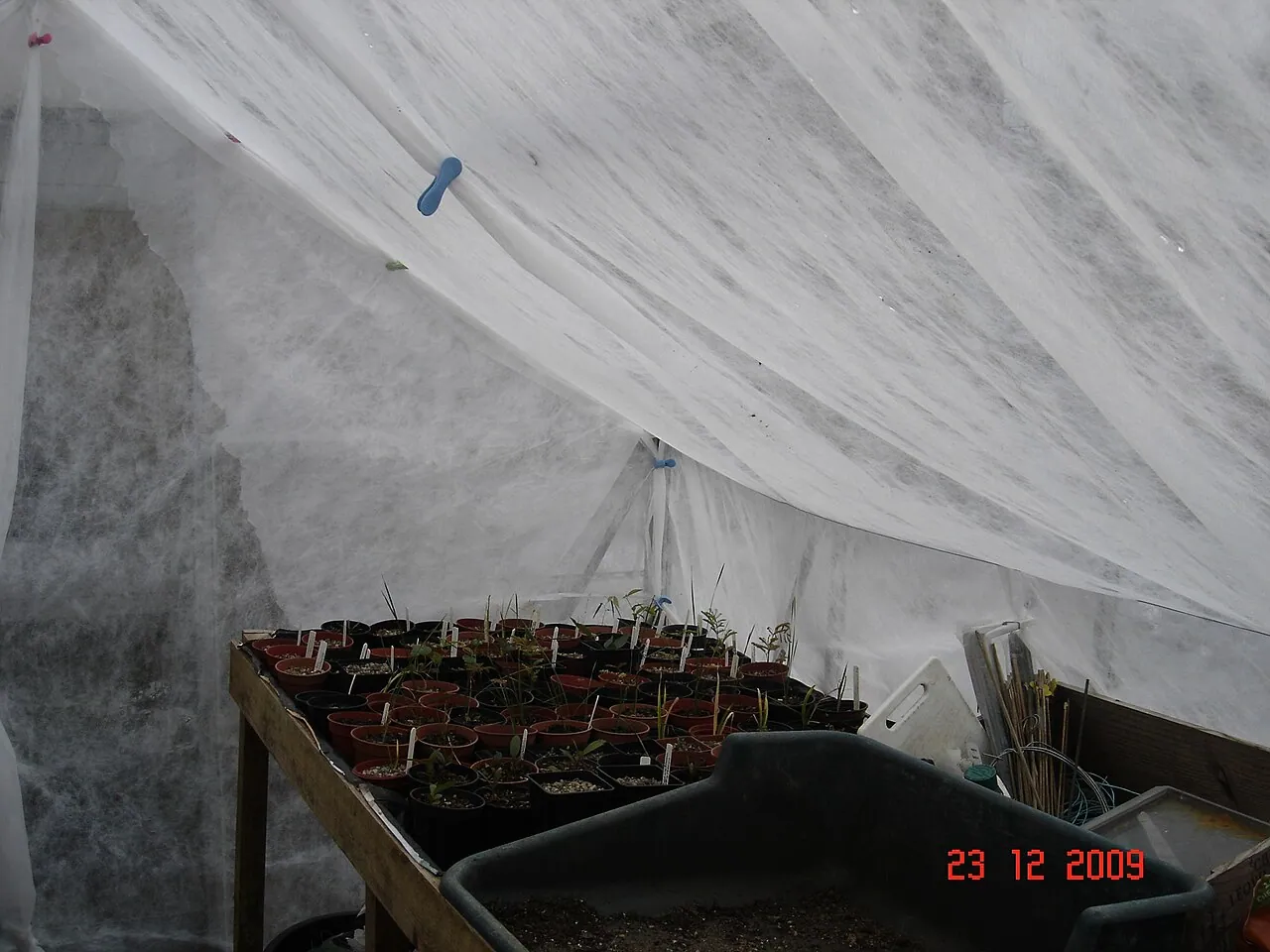
Measure the sheltered shelf or indoor windowsill before carrying plants towards it. Include room for foliage, airflow and your hands, not just the diameter of the pot. Clean trays and remove stale standing water. A protected space that is too dark or warm may be unsuitable even though it never freezes. Write the proposed winter position beside each plant name. If there is insufficient space, deciding which plants matter most is more useful than crowding every available surface.
Separate maintenance from rescue
Clean empty pots, dry tools and gather scattered labels during a normal tidy. Treat possible pest or disease problems separately, with the affected plant away from the main collection while you identify the cause. Avoid moving a suspicious plant straight onto a crowded winter shelf. You do not need to cut every plant back to the same height. Some retain useful structure or protection in their old growth, while others require plant-specific treatment before storage or overwintering.
Leave a useful closing note
Choose one observation from the season that will change next year's decisions. Perhaps the smallest pots were difficult to water, or the most shaded corner never suited a sun-loving flower. Record the location, plant and proposed adjustment. Avoid turning the review into a long shopping list. Finish by leaving the bench with enough clear space for one pot and a tray. That small working area will make a winter inspection or an unexpected repotting much easier.
A little further reading
Match these general notes to your plant variety, climate and local conditions.