Inspect the winter water route
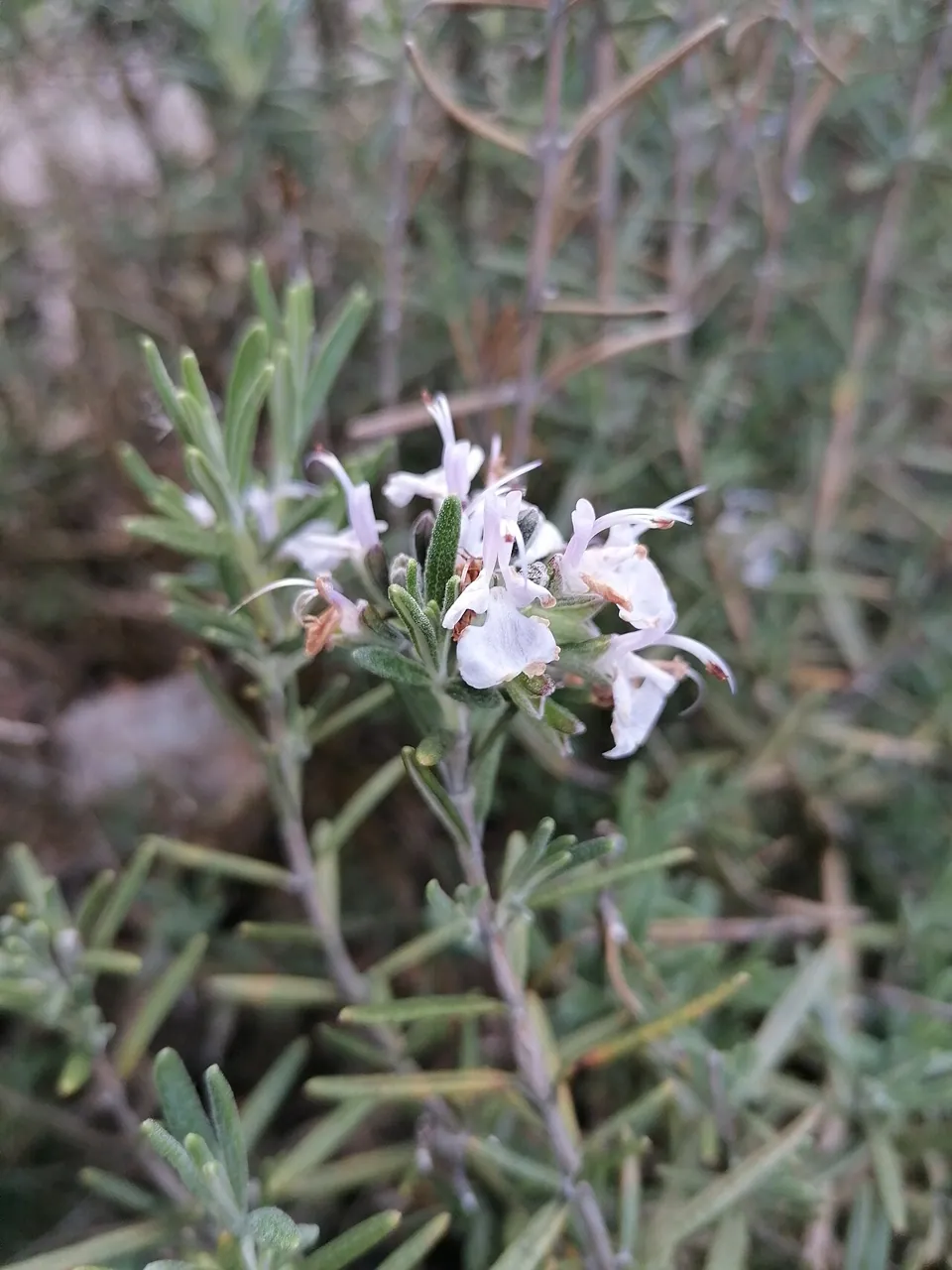
Check where rain lands around your rosemary. A pot beside a downpipe or beneath the drip line of a roof can receive far more water than the open garden. Make sure its drainage openings are clear and that a saucer is not holding water underneath. Look below the surface before deciding it needs a drink. The aim is not to keep rosemary completely dry, but to avoid a root environment that remains saturated through long periods of cool weather.
Match protection to the location
Rosemary varies in cold tolerance, and a sheltered urban courtyard differs from an exposed inland garden. Keep the variety name and consult advice suited to your climate. If moving a container, choose a bright sheltered position with useful airflow. A warm, dim living room may create a new set of difficulties rather than offering ideal winter protection. Test the chosen spot after a storm: shelter that blocks wind but directs roof runoff into the pot has not solved the main problem.
Keep pruning separate from rescue
Do not respond to winter leaf damage by cutting the whole shrub hard into bare wood. First determine which shoots are alive and wait for suitable growing conditions before shaping. Regular light trimming of leafy growth is easier to manage than a major renovation after years of neglect. Take kitchen sprigs from several places so harvesting does not create one deep hole. Leave enough foliage on each branch to support recovery and resist the temptation to force a geometrically perfect shape during poor weather.
Review the plant in spring
Photograph the rosemary when new growth begins and compare it with the previous autumn. Note whether damage occurred on the windward side, around wet roots or throughout the plant. Those patterns help you choose a better position for the following winter. If an old shrub is becoming bare and awkward, propagate a healthy replacement rather than relying on drastic pruning. A young backup gives you time to improve the site and preserves the useful variety without demanding an instant recovery from an ageing specimen.
A little further reading
Match these general notes to your plant variety, climate and local conditions.