Choose a sample you can interpret
Take a random sample from the seed lot rather than selecting only the largest or best-looking seeds. Twenty seeds provide a more useful small check than two or three, while a larger sample improves confidence if seed is plentiful. Keep rare or expensive seed conservation in mind. Label the test with species, cultivar, packet date and the number used. If comparing two lots, give each its own clearly separated test so results are not accidentally combined.
Supply the conditions the seed actually needs
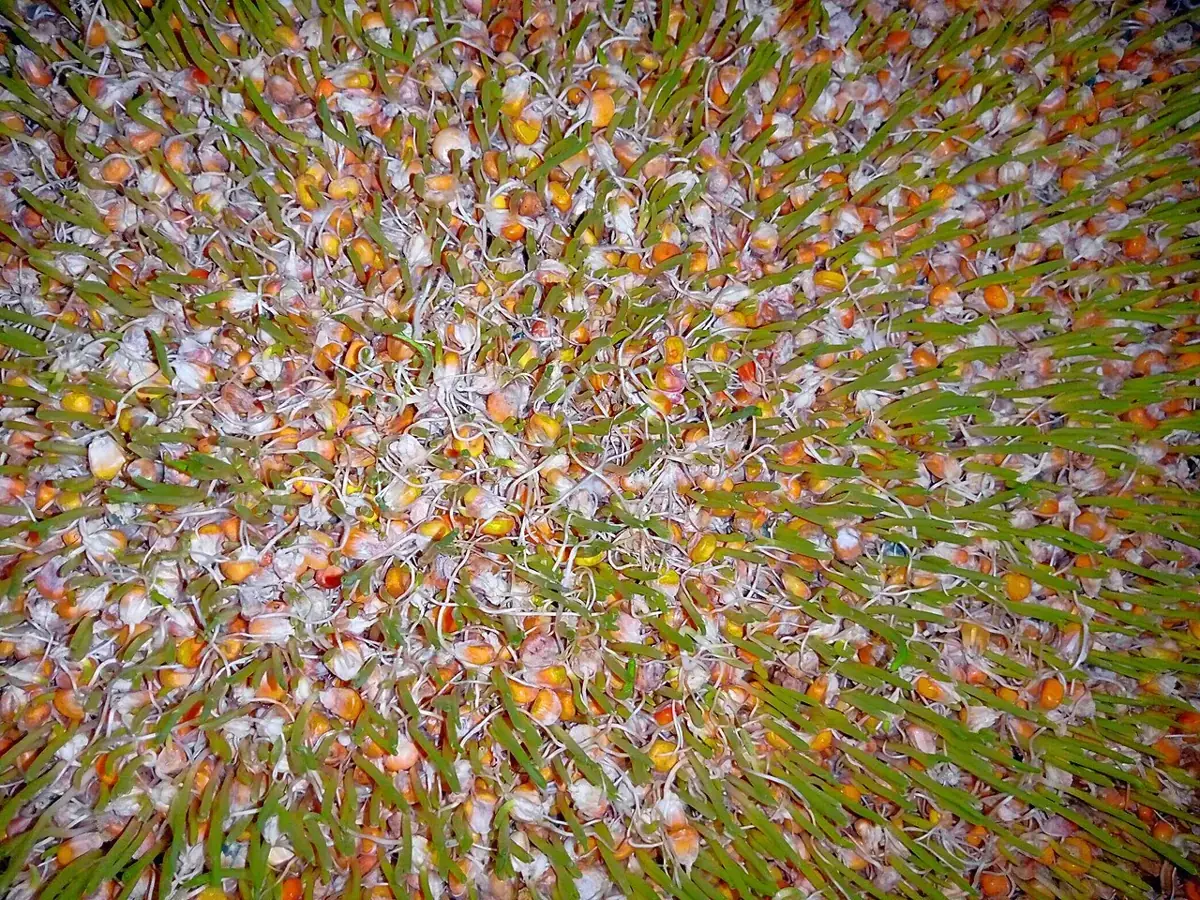
For suitable common seeds, place the counted sample on moist paper in a covered arrangement that retains moisture without leaving the seeds submerged. Use the correct temperature and light conditions for the species. Some seeds require dormancy-breaking treatment, so an ordinary warm paper-towel test cannot evaluate every plant fairly. Check regularly for emerging roots and moisture, keeping notes of new germination. Avoid allowing the paper to dry or become so wet that decay obscures the result.
Calculate without overstating precision
Divide the number germinated by the number tested and multiply by one hundred. If fourteen of twenty germinate, the observed result is seventy percent for that small test under those conditions. It does not guarantee seventy established plants from one hundred seeds in a garden bed. Outdoor losses, uneven sowing and weather introduce additional uncertainty. Record the observation as fourteen of twenty as well as the percentage so the modest sample size remains visible.
Turn the result into a practical choice
Compare the test with the number of plants needed, the amount of seed remaining and the value of the growing space. Moderately reduced germination may justify sowing a little more and thinning later; very poor results may make fresh seed the better use of time. Do not calculate extra sowing by simply adding the missing percentage: estimating required seed involves dividing the desired number by the observed germination fraction. Even that estimate needs allowance for establishment losses. Keep the test record with the packet so next year's decision begins with evidence rather than the packet's age alone.
A little further reading
Match these general notes to your plant variety, climate and local conditions.