Draw a calendar with room for uncertainty
Make twelve columns and list your flowering plants down one side. Mark the months in which you actually observed flowers, then use a different mark for the season predicted on the label. This separates local experience from an expectation. Include a note about the year and any unusual weather. A plant that flowered early once has not necessarily changed its normal habit. The purpose is to reveal a pattern, not to promise an exact date for every bloom.
Look for a meaningful gap
Choose the interval that matters to you. It might be an empty view from the kitchen in early spring or a lack of late flowers where insects usually visit. Do not assume every week needs the same amount of colour. Foliage, stems and seedheads can also hold a scene together. Circle one gap on the chart and identify the growing conditions of the space available there. Timing alone is not enough if the proposed plant cannot thrive in that position.
Add one layer rather than replace everything
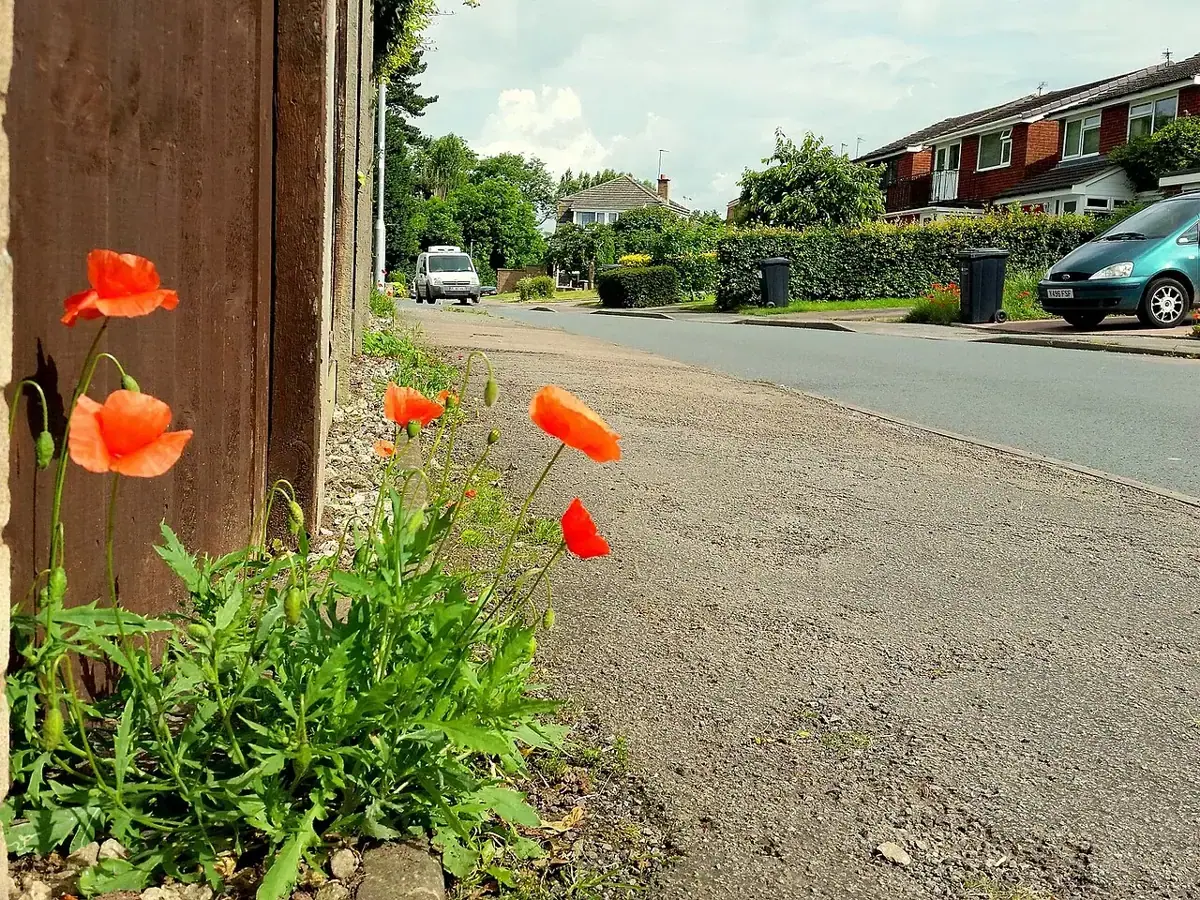
Consider a suitable bulb, perennial or shrub that contributes during the chosen interval while fitting the existing root space and mature planting. If the border is crowded, a container may allow a trial without disturbing established plants. Check whether the new plant's leaves will need space after flowering. For a wildlife-focused plan, use locally appropriate flowering choices and consider accessible pollen and nectar, not just the length of the display or the colour in a catalogue photograph.
Test the plan over a full cycle
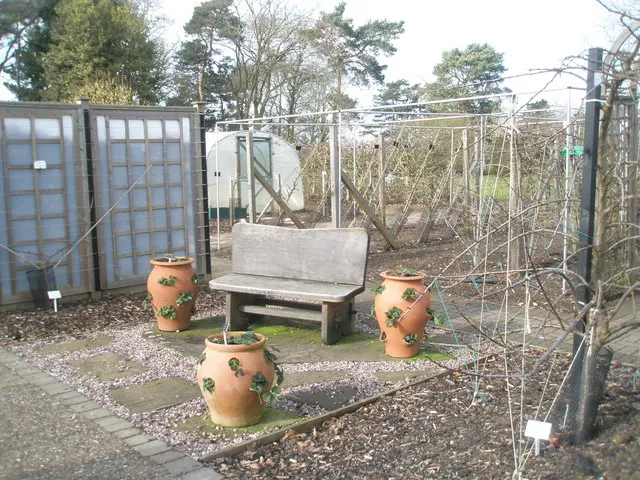
Photograph the same view at regular intervals and update the chart with actual observations. Note a plant that overlapped beautifully with another, but also record when foliage hid a smaller neighbour. Keep failed timing experiments visible rather than erasing them from the plan. They explain why you may choose a different position or species next time. After a full year, the chart becomes a practical account of your garden instead of a borrowed schedule that never quite matches it.
A little further reading
Match these general notes to your plant variety, climate and local conditions.