Count the work in small pots
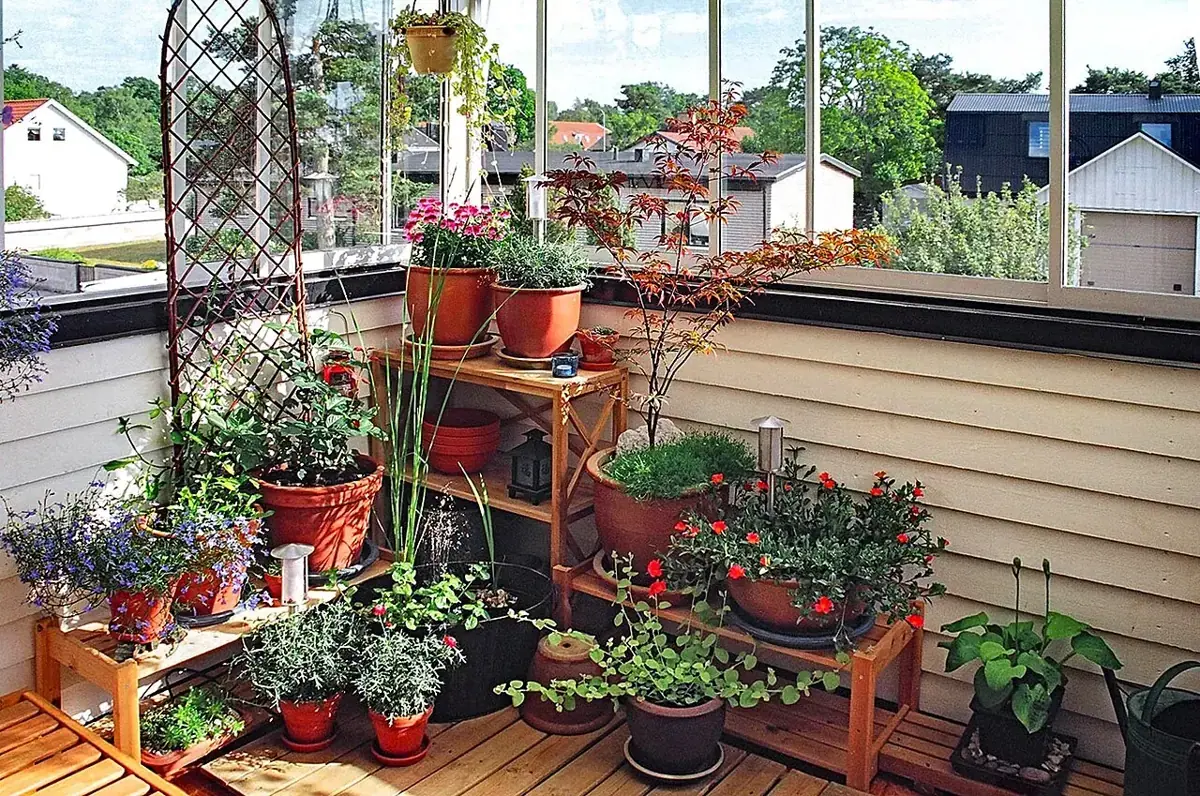
List the containers that need frequent watering, moving or repotting. Several tiny pots may each hold a different plant, yet together demand more attention than their visual impact suggests. Notice which ones dry out before you can reasonably check them. Consider whether a single larger planting would provide the colour, height or foliage you actually enjoy. The change is useful only if the chosen plants can share conditions; unrelated specimens should not be combined merely to reduce the number of vessels.
Choose the position before filling
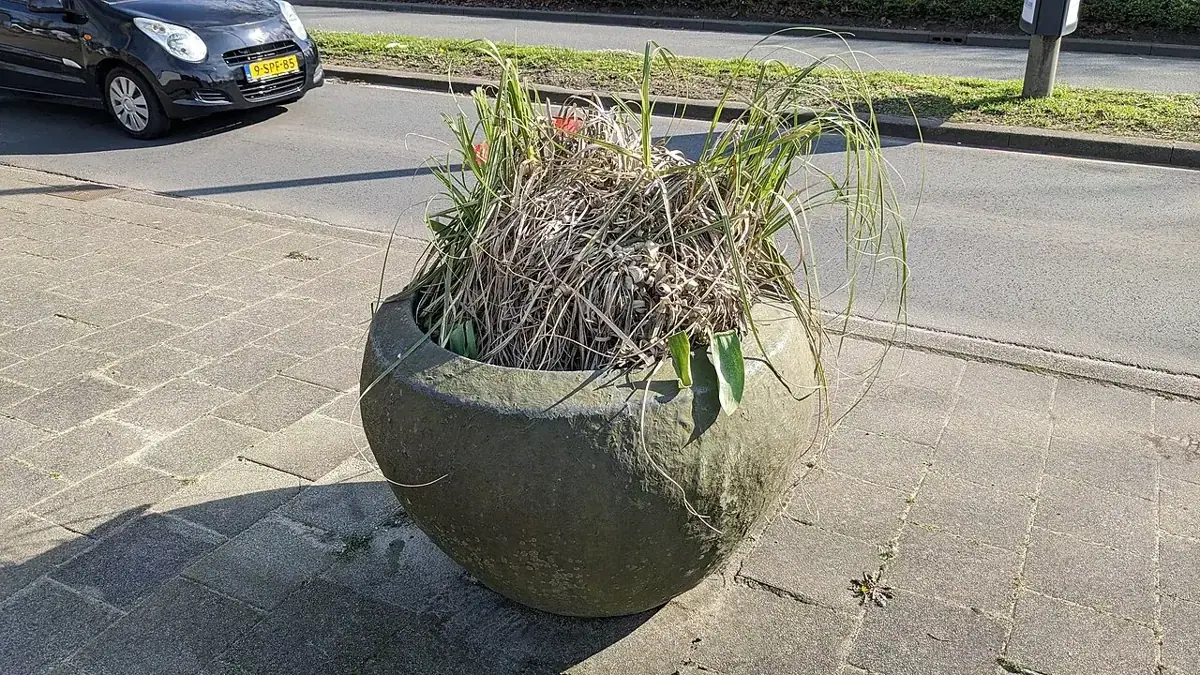
A large container can be difficult to move once wet, so test its footprint while empty. Check door movement, path clearance and access to the drainage outlet. Confirm any structural limits on balconies or raised surfaces rather than assuming a larger pot is always appropriate. Consider winter exposure and summer heat as well as the best view. Place it where watering equipment can reach easily. A container intended to simplify maintenance should not require lifting furniture or dragging a hose through the house at every watering.
Make root space do useful work
Choose a suitable potting mix and plant combination, allowing for their eventual size. Leave enough room below the rim to water slowly without immediate overflow. Do not fill the lower half with arbitrary bulky material and then count the whole vessel as root volume. A larger container can moderate some rapid moisture changes, but it still needs inspection and drainage. Keep the number of plants modest enough that each can develop, rather than recreating the original collection's crowding inside a single more expensive pot.
Give the display a clear hierarchy
Select one main form, then use a few compatible supporting plants if needed. The main form might be an upright perennial, a compact shrub or a seasonal flowering group. Arrange the planting so that the vessel itself remains part of the composition. Photograph it at planting and during peak growth to see whether the balance holds. Review the watering routine after several weeks. If the container has made care easier and the planting clearer, resist adding extra small pots around it until its original purpose disappears.
A little further reading
Match these general notes to your plant variety, climate and local conditions.