Make a patch you can identify
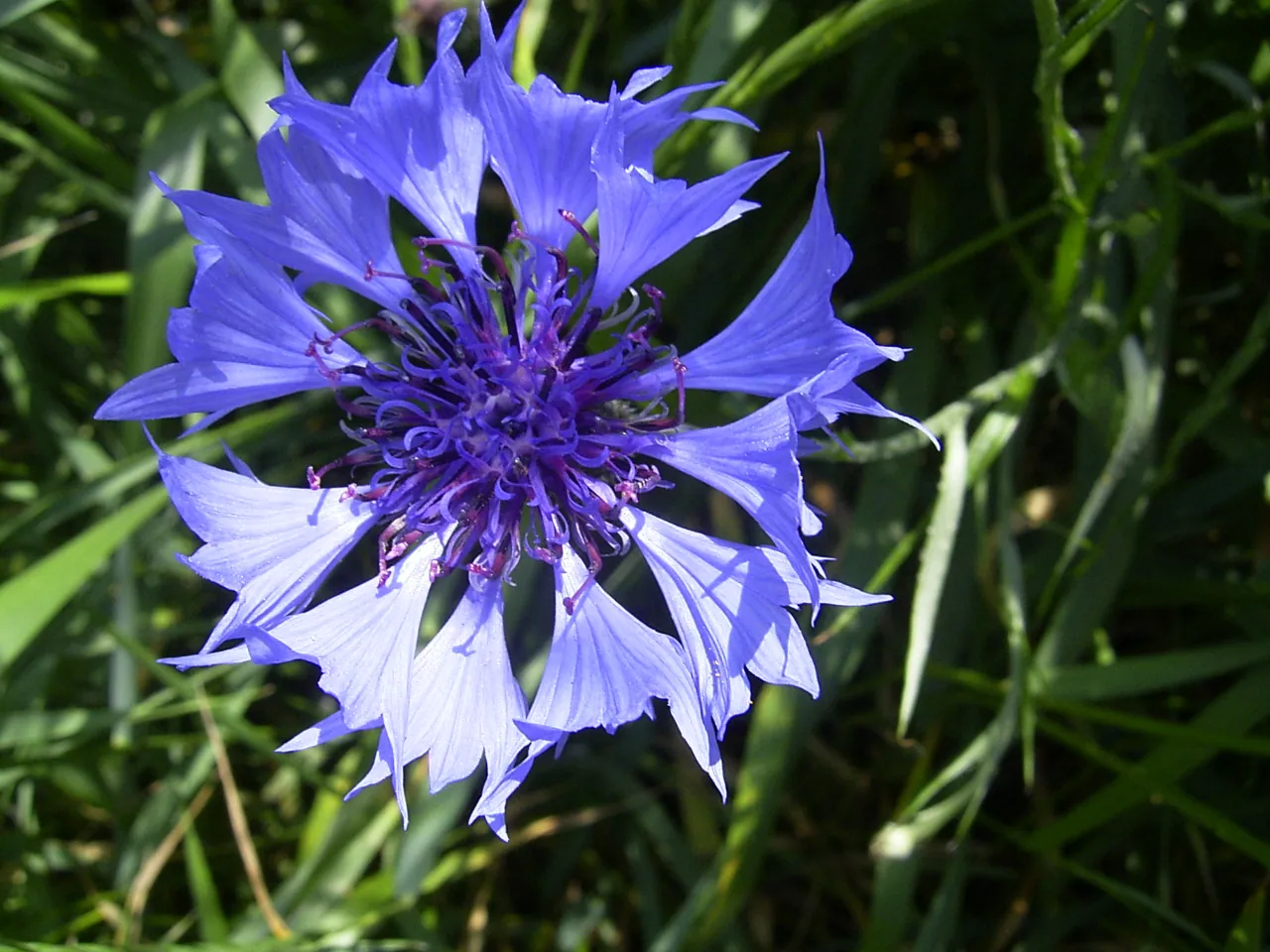
Prepare a small, clearly marked area instead of broadcasting the entire packet through a mixed bed. Remove established weeds and rake the surface into a workable seedbed. The label should record the botanical name and sowing date, since emerging cornflowers may be difficult to distinguish from unfamiliar volunteers. A short row is perfectly acceptable even in an informal garden; it makes early identification easier, and the straight line soon disappears as the plants branch.
Thin for the adult plant
Cornflower seedlings that emerge densely need room before their stems become a tangled thicket. Use the packet's spacing as a starting point and consider the expected height of the variety. If removing a seedling would disturb a neighbour, snipping the unwanted one at soil level can be gentler than pulling. Keep the most vigorous, well-positioned plants rather than preserving every germinated seed. A smaller number of balanced plants is easier to observe and often gives a more satisfying display.
Use the cool part of the season
Cornflowers are cool-season annuals. Mild-winter regions may suit autumn sowing, while colder gardens may favour a spring start with appropriate protection. Check local conditions before copying a calendar from elsewhere. A sunny position helps keep stems from stretching, and taller varieties may still need support in exposed gardens. Add that support early enough to guide growth through it naturally. If one side consistently leans, look for shade from a fence or neighbouring plant before deciding the seed variety was simply weak.
Leave seed with an intention
Picking and deadheading can extend the display, while retained heads can provide seed and wildlife interest. Cornflowers can self-sow readily, so choose where that would be welcome and check whether the species is appropriate in your region. Mark only a few stems if seed collection is the goal. At the end of flowering, sketch the patch's actual outline and count how many plants occupied it comfortably. That small record lets you sow a sensible quantity next time instead of repeating the cycle of overcrowding followed by reluctant thinning.
A little further reading
Match these general notes to your plant variety, climate and local conditions.