Decide what the plant is providing
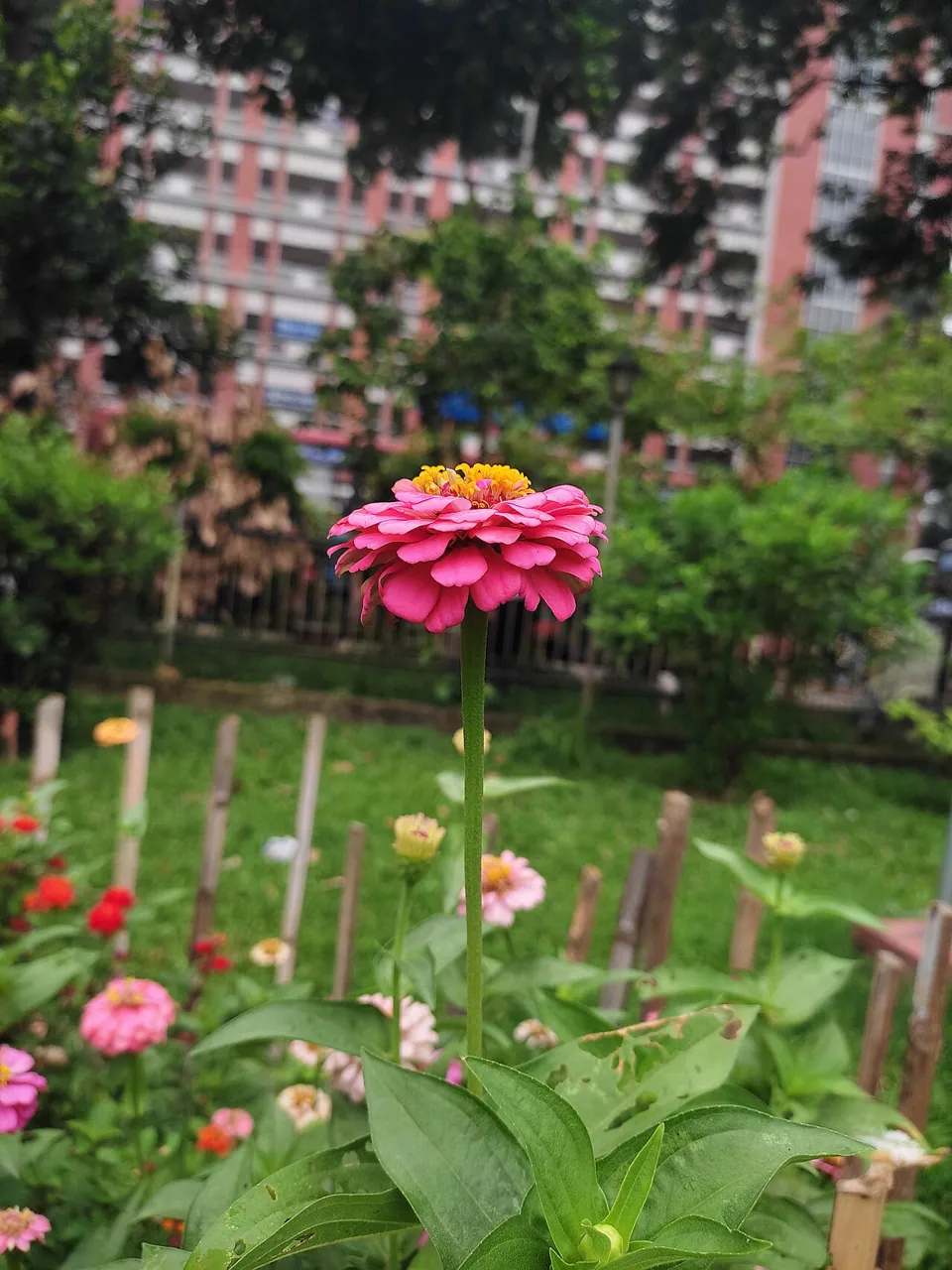
A faded flower may be the beginning of a useful seedhead, a source of saved seed or simply a spent bloom on a plant that can flower again. Identify your purpose before cutting. Mark stems you intend to retain for seed so they are not removed during a quick tidy. Consider the whole planting as well as the individual flower. A few standing seedheads can contribute structure and wildlife value, while removing others keeps a heavily used path or container looking clear.
Trace the stem below the flower
Follow the spent bloom downward and look for a healthy leaf, bud or side shoot. The appropriate cut depends on the plant's growth pattern, so avoid leaving a long bare stalk simply because the flower head was easy to reach. For clusters, distinguish finished flowers from buds still to open. Use fingers only where stems separate cleanly; tougher stems are better cut with a suitable clean tool. Support the plant so deadheading does not tear a branch or pull roots in a small pot.
Know what another cut can achieve
Some plants respond with further flowers, while others mainly produce new foliage or have completed their seasonal display. Deadheading cannot create a second flowering cycle in every species. Check plant-specific guidance before cutting an entire clump back. Also review water, light and crowding if flowering has stopped unexpectedly. Repeatedly removing increasingly small blooms will not correct an unsuitable position. Keep a photograph of the plant before and after a planned cutback so you can judge whether the intervention produced the intended result.
Build a selective routine
Carry a small collection container and work through the plants with a clear purpose. Remove material that is diseased appropriately rather than dropping it among healthy stems. Leave chosen seedheads undisturbed and revisit them when seed is mature or the display changes. At the end of the season, note which plants rewarded the effort and which looked better left standing. The aim is a garden that continues to offer flowers, seed and useful structure, with each cut contributing to that balance rather than enforcing uniform tidiness.
A little further reading
Match these general notes to your plant variety, climate and local conditions.