Remember what grew there
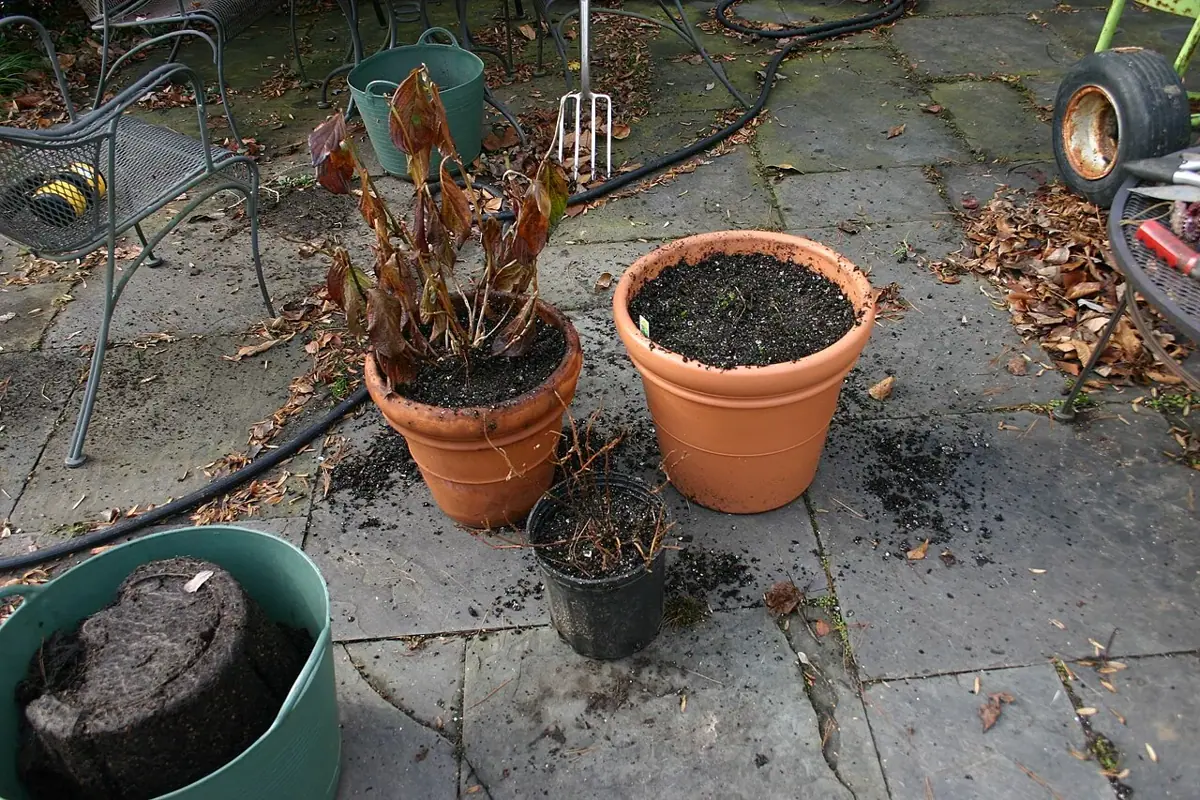
Keep the history of a container with its contents. Mix from a healthy seasonal display deserves a different assessment from material surrounding a plant with unexplained root collapse. Inspect for persistent weeds, pests and obvious deterioration before pooling several pots together. Reuse is easier to judge when one doubtful container has not been mixed into a large batch. If a particular disease has been identified, follow advice for that organism instead of assuming all used material is harmless or all of it is waste.
Check texture after moistening
Dry old mix can feel misleadingly light and loose. Moisten a sample and examine how it behaves: does it remain fibrous, collapse into sludge or shed water around dry lumps? Remove large old root masses without attempting to make the material cosmetically perfect. Fine decomposing roots are not the same as an active infestation. If the structure has broken down badly, the mix may serve better as a surface addition to suitable garden soil than as the whole contents of a new pot.
Match the second use to the demand
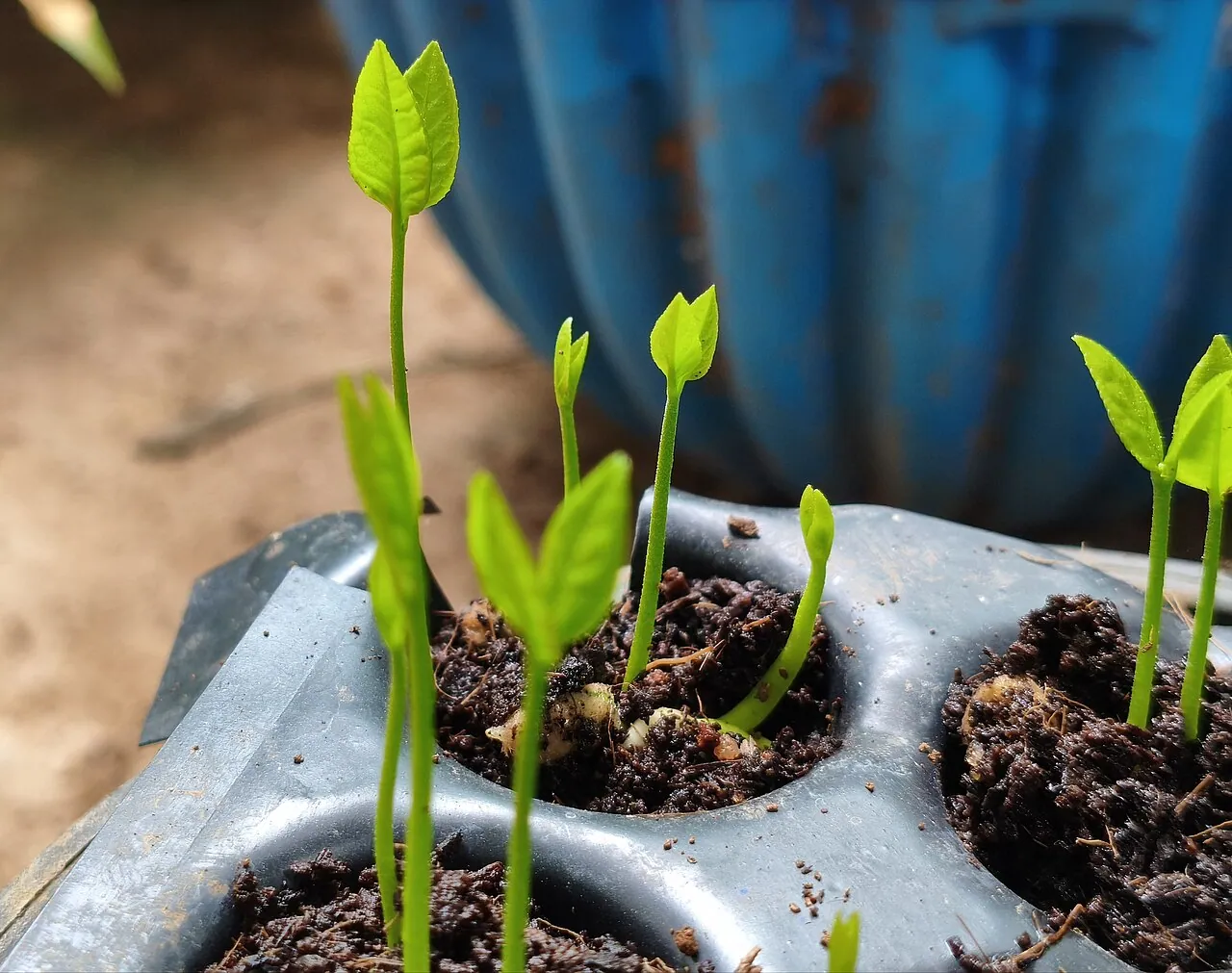
A long flowering display or fruiting crop can demand more dependable nutrition and root conditions than a temporary low-demand planting. Fresh material may be appropriate for sensitive seedlings, while sound used mix can contribute to less demanding jobs. Do not guess that a previous crop exhausted every nutrient equally. Check what feed was already added, especially controlled-release products, before adding more. Label any prepared blend with its ingredients and intended use so it does not become an anonymous bag in the shed.
Evaluate one container before scaling up
Try the reused material in a manageable planting and keep a comparison with a familiar mix if practical. Record watering behaviour and new growth, rather than judging only the first attractive week. If you use it on a border, spread it thoughtfully and keep crowns and stems exposed. Avoid carrying suspect material between unrelated parts of the garden. A successful reuse plan reduces waste while keeping enough information to explain a poor result, which is difficult when every old pot has been emptied into the same pile.
A little further reading
Match these general notes to your plant variety, climate and local conditions.