Define the place you are planting
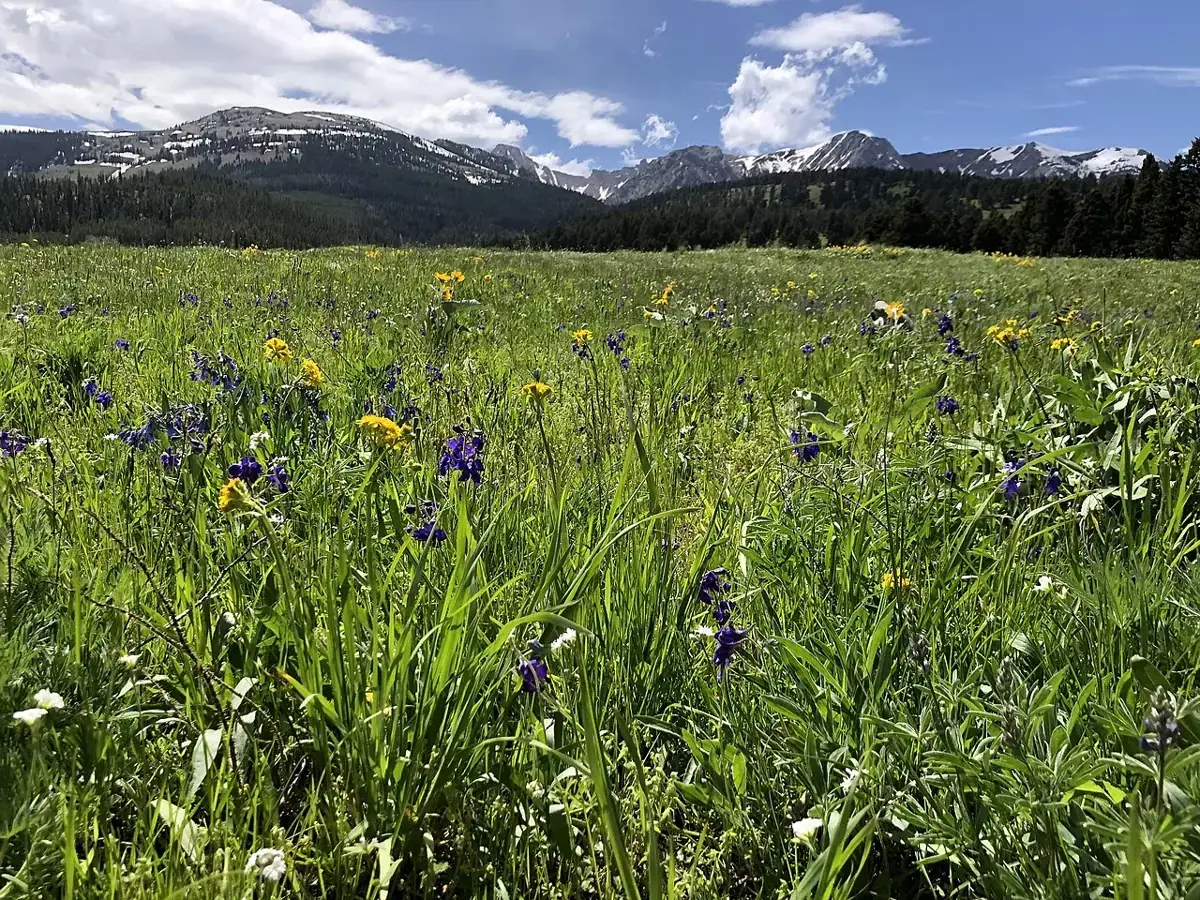
Write down your region, light, soil moisture and available space. 'Native' describes a relationship to a place, not a universal quality shared by every garden plant. A species native somewhere else may behave very differently in your area. Use local botanical, horticultural or conservation resources to identify appropriate choices and any invasive plants to avoid. If you are planting near natural habitat, be especially careful about introductions that could spread beyond the garden boundary.
Check the full plant identity
Keep the botanical name and cultivar where available. Common names can refer to different species, and a highly modified cultivar may not offer the same flower structure or seed characteristics as the original form. Ask the nursery for accurate identification rather than choosing only from a broad marketing category. Check mature size and likely spread. A useful plant for a large landscape can still be unsuitable for a small border that cannot accommodate its roots or maintenance needs.
Build a mixed, well-supported planting
Choose plants that can thrive with the conditions and attention you can provide. Consider flowering sequence, foliage, shelter and the needs of particular local wildlife, rather than treating nectar as the only resource. A combination of suitable plants is generally more informative to observe than a collection selected from a single slogan. Keep records of where each plant goes. This makes it easier to identify a volunteer seedling later and to notice if a species begins spreading more than expected.
Review behaviour after planting
Watch how the plant grows, whether it stays within the intended area and what visitors use it. Record observations without assuming they prove the whole ecological value of the species. If a plant becomes problematic, consult regional guidance for responsible management and disposal; do not pass unwanted invasive material to another gardener. Thoughtful selection continues after purchase. The best addition is one whose identity, behaviour and care requirements remain compatible with the place where it is growing.
A little further reading
Match these general notes to your plant variety, climate and local conditions.