Choose the winter viewpoint first
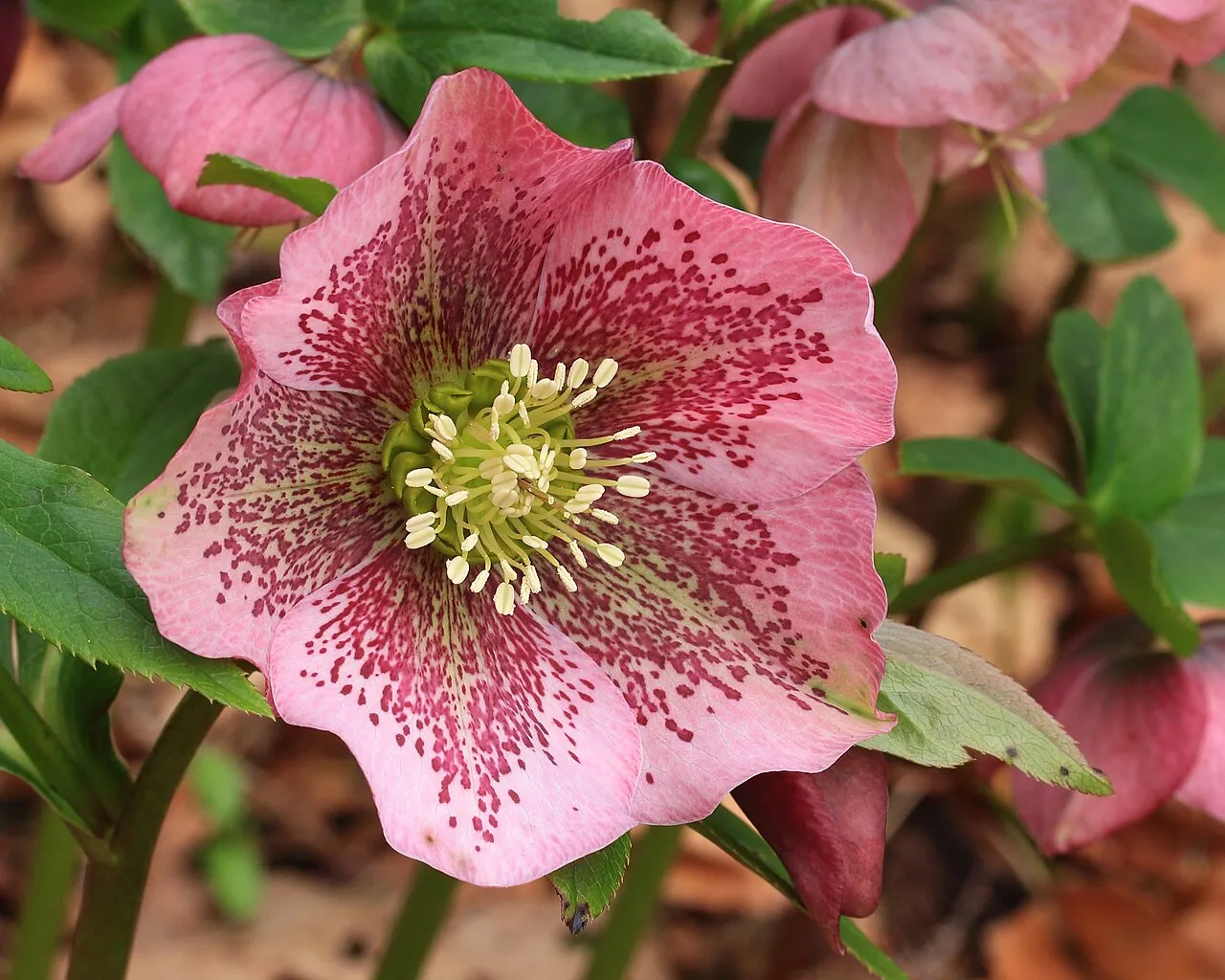
Hellebore flowers often nod toward the ground, so a plant far behind a border can disappear despite flowering well. Stand at the window or path you use most in winter and identify a position where the flowers will be visible. A slightly raised bed can bring them nearer eye level, provided the soil conditions suit the plant. Avoid choosing a site solely because it looks shaded in summer; note winter exposure and wind as well.
Give the clump a stable home
Many familiar Lenten rose types suit humus-rich, moist but well-drained soil with shade from strong summer sun. Check the requirements of the actual species or hybrid, since hellebores are not all identical. Plant with room for the clump to broaden and keep heavy mulch from piling over the crown. Before filling nearby gaps, imagine the mature foliage rather than the small nursery pot. Repeated disturbance to accommodate temporary neighbours can undermine the quiet permanence that makes the plant useful.
Reveal flowers with careful leaf removal
Where old leaves are tired or marked, removing selected foliage can improve the view of emerging flowers. Identify each leaf stalk at its base before cutting so a developing flower stem is not removed with it. Follow type-appropriate guidance rather than stripping every hellebore automatically. Wear gloves when handling or cutting the plant, and keep it away from anyone likely to eat plant material. Inspect removed leaves separately if spotting or unusual damage needs identification.
Observe the seedlings before keeping them
Established plants may produce seedlings nearby, and those seedlings may not repeat the parent's flower colour or form. Mark any that you intend to keep so they are not mistaken for weeds, while leaving the parent enough space. Photograph flowers from the same low angle each season and note which are visible from the path without bending. This record helps with future placement and selection. A modest group in the right viewpoint can give more winter pleasure than a larger collection hidden where no one regularly walks.
A little further reading
Match these general notes to your plant variety, climate and local conditions.