Start with the length of your season
Look beyond heat rating when choosing a chilli. Varieties differ in their time to cropping and their need for a long warm season. A late-ripening type can be frustrating in a short outdoor summer, even when its leaves grow well. Read the supplier's description and choose a manageable number of plants. Record the variety, sowing date and intended growing position. That information will explain an unfinished crop more clearly than judging every chilli by the performance of the earliest one.
Give young plants light with their warmth
Warm germination conditions are useful, but seedlings also need sufficient light after emergence. A heated corner with weak light can produce stretched plants that struggle when moved. Pot on as roots require it and avoid leaving seedlings in saturated oversized containers. Gradually acclimatise plants before outdoor placement when the weather is suitable. Measure conditions near the plants rather than relying only on the temperature elsewhere in the house. A cold windowsill at night can be very different from the warm room around it.
Watch flowering without forcing a result
Once plants are growing well, maintain appropriate moisture and use a suitable feeding programme according to its instructions. Excessive heat in an enclosed greenhouse can also be unhelpful, so provide ventilation rather than treating every increase in temperature as beneficial. Observe flowers and developing fruit before making changes. A small notebook entry about a heatwave, missed watering or sudden move can later explain a pause in fruit set. Resist adding several products at once when the real issue may be environmental instability.
Harvest by variety and intended use
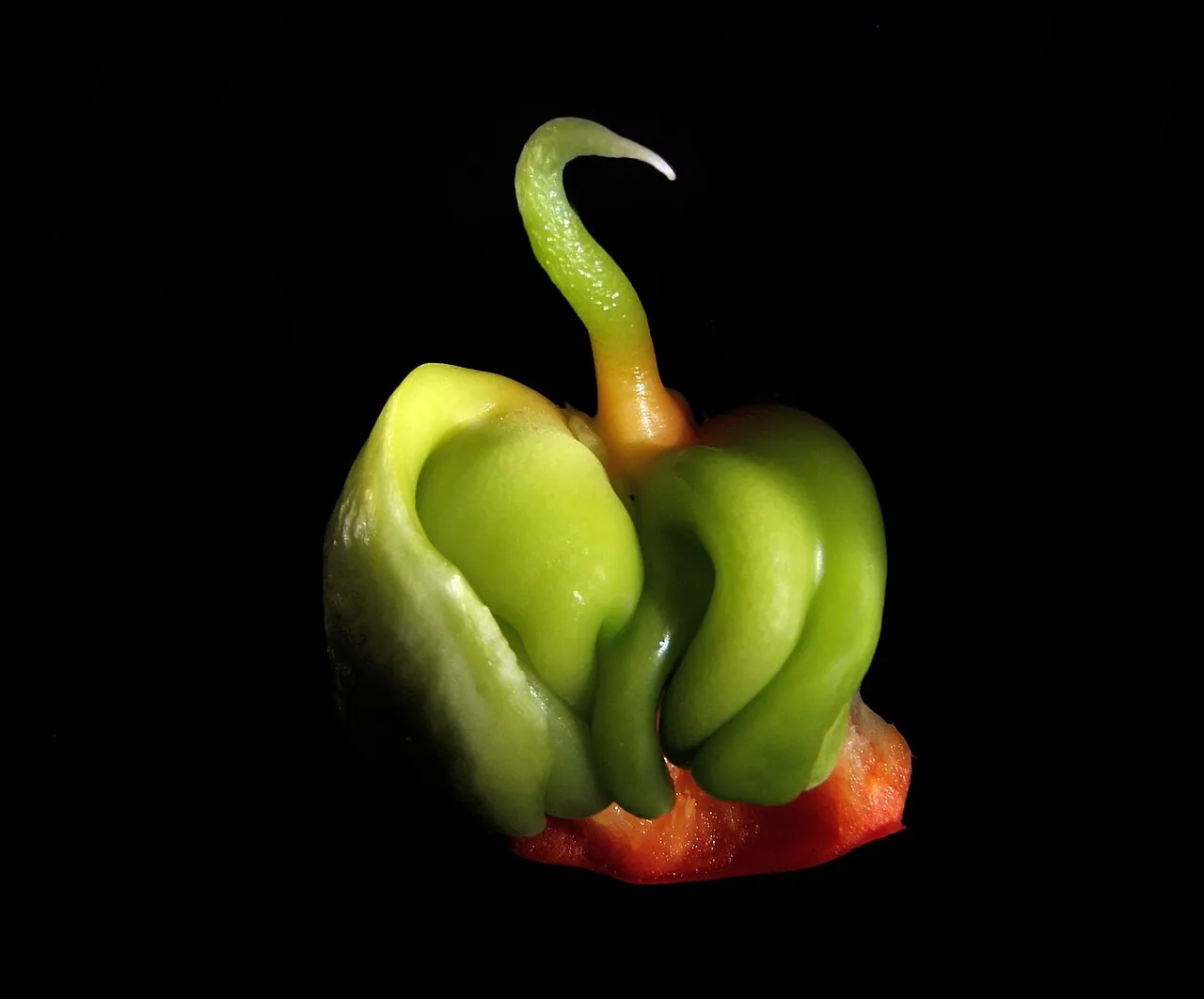
Many chillies can be used before reaching their final colour, while full ripening changes flavour and appearance. Keep a picture or description of the variety's mature fruit so you know what to expect. Inspect hidden fruit and support branches carrying a heavy crop. As the season shortens, assess the remaining warmth and light realistically rather than expecting all newly formed fruit to finish. Record the date of the first fully ripe harvest. That single observation is valuable when deciding whether the same variety deserves space next year.
A little further reading
Match these general notes to your plant variety, climate and local conditions.