Understand the two-season pattern
Parsley is a biennial: it usually builds leafy growth in its first year and later moves toward flowering and seed production. Keeping the same plant alive does not guarantee an equally productive leaf crop forever. Label plants by sowing year so a second-year specimen is not mistaken for a failing young one. This is particularly useful when several pots look similar at the end of winter. Knowing the plant's age turns the arrival of a flower stem into understandable development rather than a mystery.
Give germination a fair chance
Parsley can take longer to emerge than many quick salad crops. Sow according to the packet, keep the seedbed evenly moist and retain the label until the expected germination period has passed. Avoid repeatedly disturbing the surface to check whether anything is happening. A small pot sown as a second batch provides useful insurance and a comparison. Record sowing and emergence dates under your actual conditions; that local information makes the next year's planning more accurate than relying on the fastest advertised result.
Harvest stems from the outside
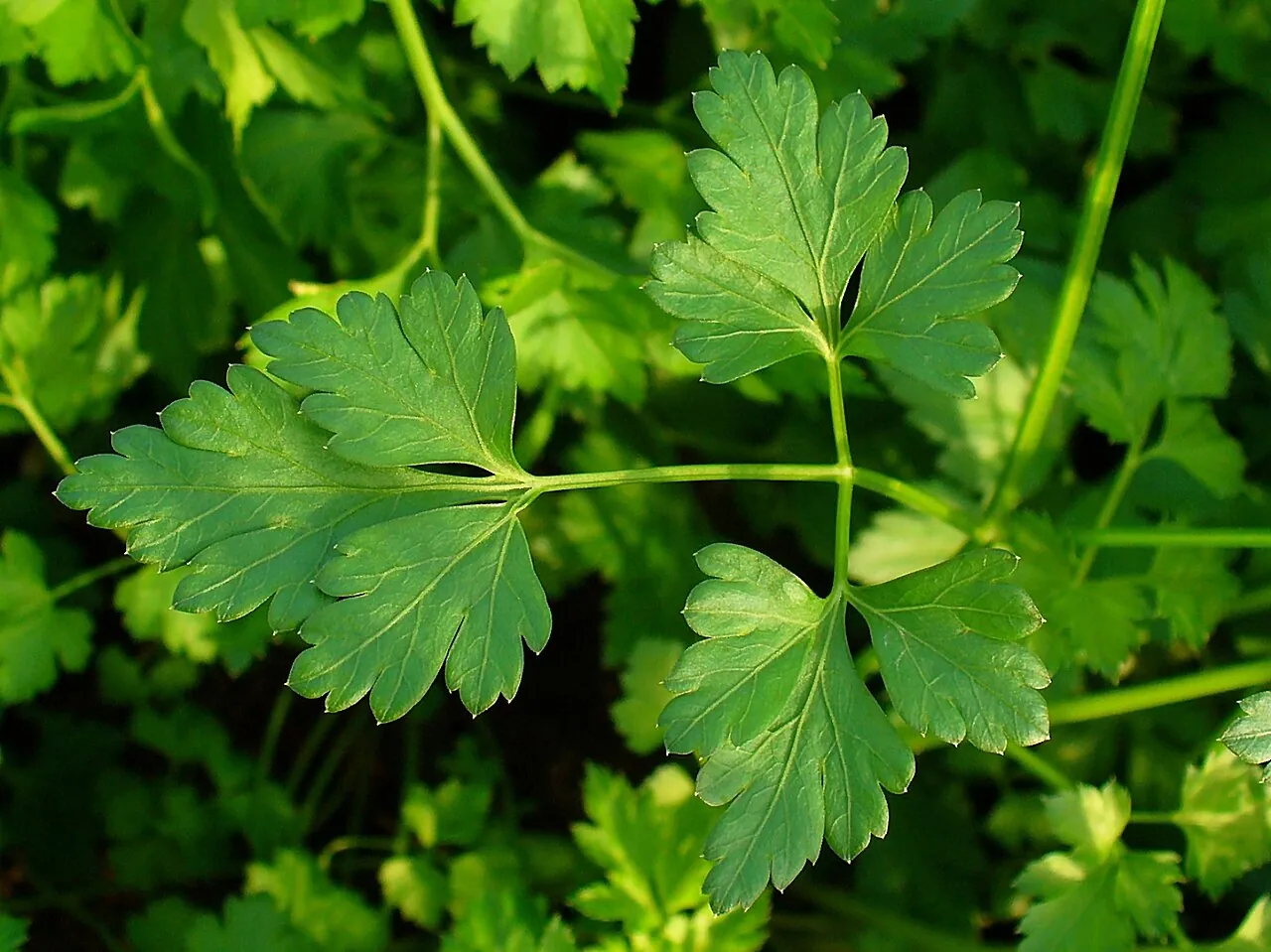
Choose mature outer stems and snip them near the base without damaging the central growth. Taking just the leafy tops leaves a collection of bare stalks and makes it harder to see what remains useful. Pick modestly from several plants when possible. After harvesting, inspect the centre for fresh leaves and check the moisture around the roots. If regrowth is slowing, consider weather, crowding and age before assuming a larger dose of fertiliser will restore the previous pace.
Give older plants a clear role
Start a fresh crop before the older one becomes your only supply. You can retain a few second-year plants for flowers and seed if space permits, while keeping the younger plants for the kitchen. Mark those roles on the labels to avoid cutting off the seed stems by habit. If collecting seed, maintain plant identity and wait for proper ripening. At the end of the cycle, note whether the replacement sowing was early enough to bridge the gap, then adjust the next season's sequence.
A little further reading
Match these general notes to your plant variety, climate and local conditions.