Use the morning as an inspection window
A morning round lets you assess plants before the hottest part of the day and notice which remained wilted overnight. Check the growing medium rather than assuming every drooping leaf needs water. Some plants temporarily lose firmness during heat even when their roots have moisture, while others are already dry before breakfast. Follow a consistent route and compare representative pots. The value of the morning habit is the quality of observation it supports, not a rule that every container must be watered then.
Consider evaporation and leaf drying
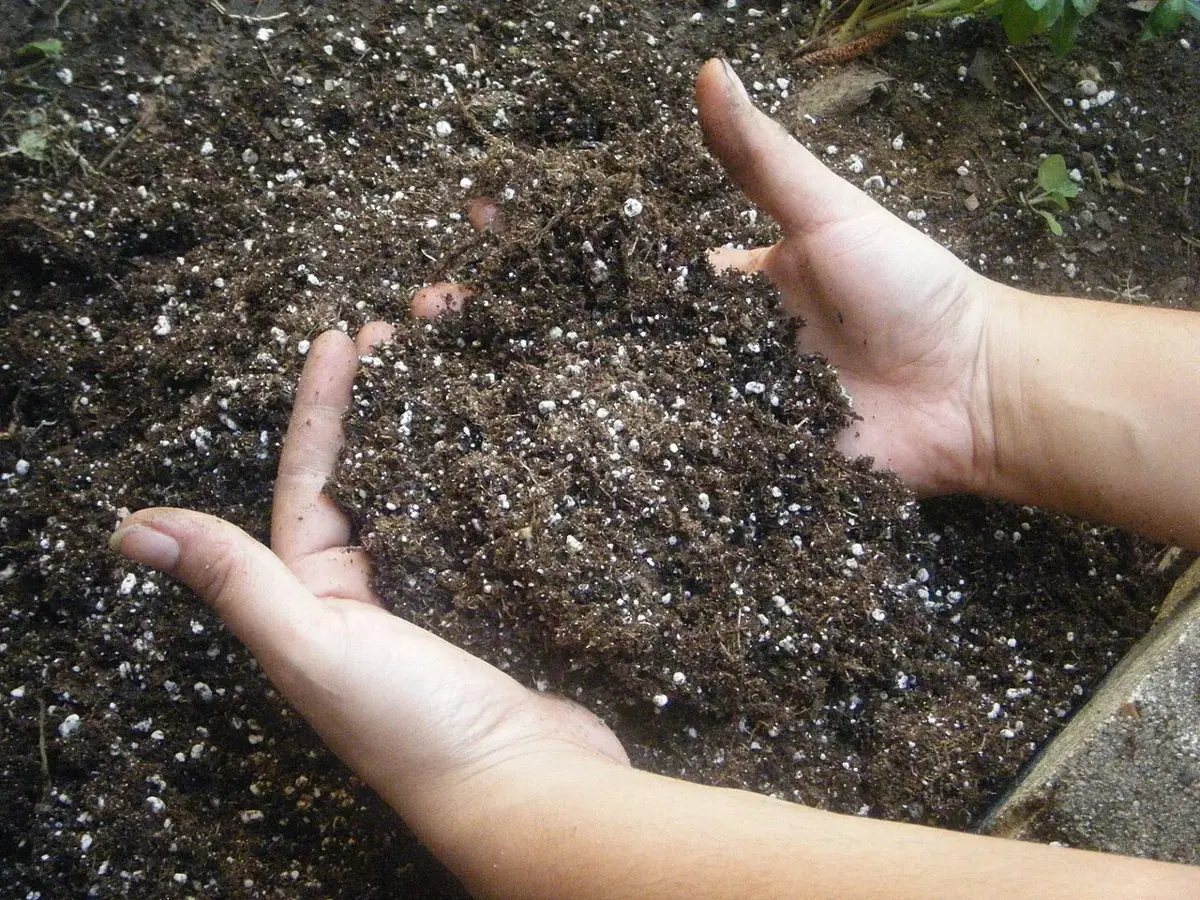
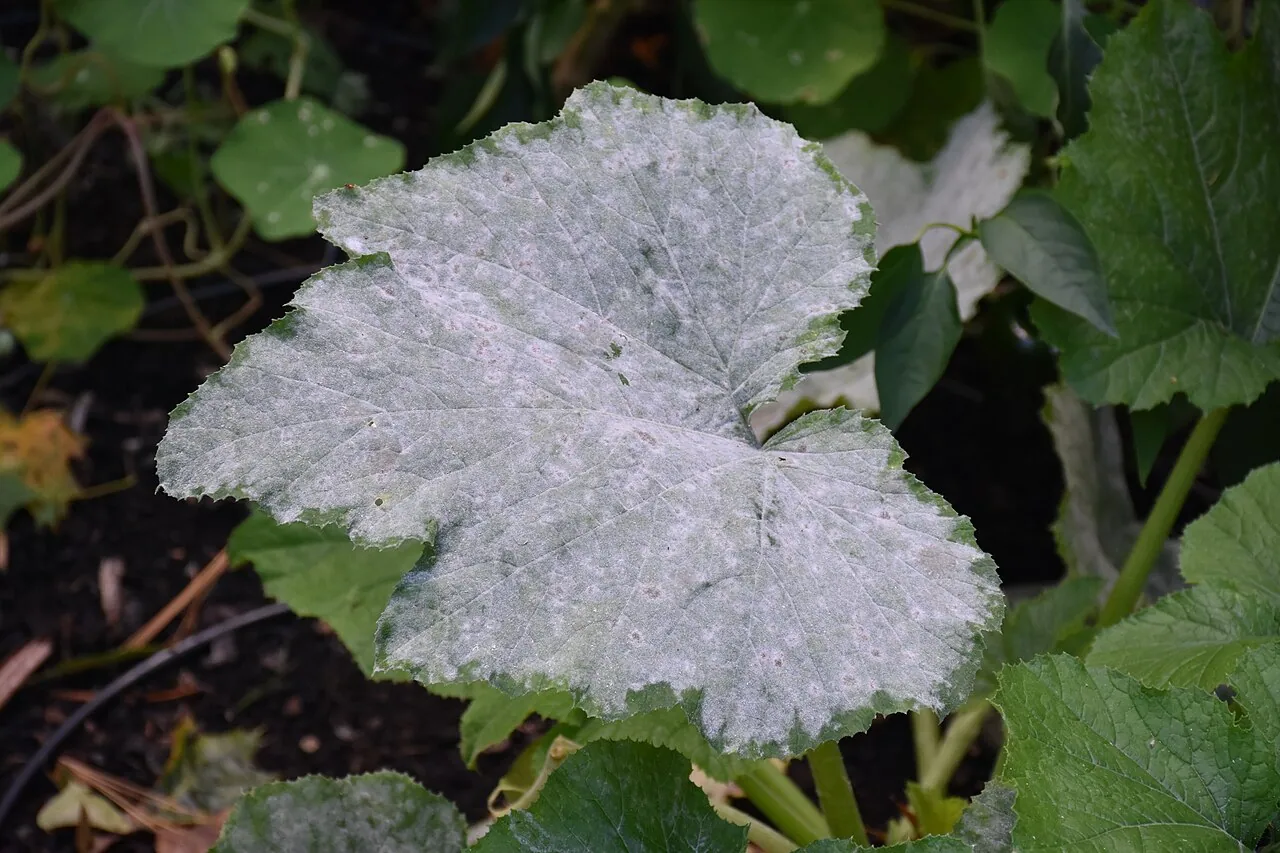
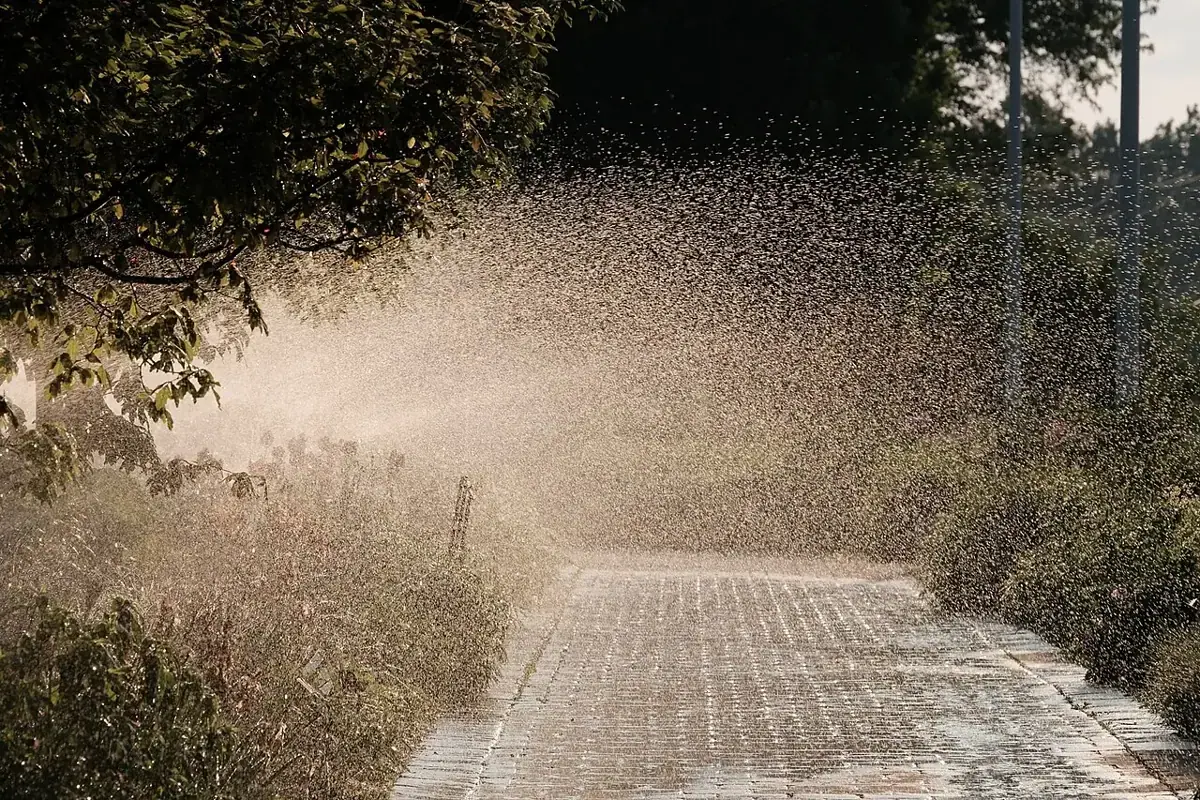
Cooler conditions can reduce avoidable water loss during application. Directing water to the soil or potting mix also limits interception by foliage and keeps more of it near roots. If leaves become wet, conditions that allow them to dry are generally preferable to prolonged dampness for many disease-sensitive plants. These are useful considerations, but they do not replace plant-specific needs. A shaded pot in cool weather may need no water at all, regardless of how convenient the morning watering time appears.
Respond to genuine dryness when it occurs
If a plant is clearly dry and stressed later in the day, do not postpone necessary watering merely to wait for an ideal hour. Confirm the root-zone condition and deliver water carefully, avoiding a forceful splash onto hot paving or delicate foliage. Very dry mix may need slow repeated applications to rewet. Move a portable plant into appropriate temporary shelter if needed, then reassess. The practical aim is to restore suitable root conditions, not to obey a timetable while the plant continues to deteriorate.
Build a routine around your availability
Choose the checking times you can maintain and adapt the planting to them. A collection that becomes critically dry every afternoon may need larger containers, more suitable plants or a different position. Keep notes during a hot week to identify the repeated pressure points. Test any irrigation system under those real conditions rather than setting it once for the whole year. Good watering combines efficient timing with direct evidence from the roots, allowing the routine to remain useful when weather and growth change.
A little further reading
Match these general notes to your plant variety, climate and local conditions.