Map the border while plants are visible
Use a photograph or quick sketch to mark the crowns of established perennials before they disappear for winter. Identify open pockets rather than treating every bare patch as vacant. Note where spring growth already emerges and where summer foliage could later cover fading bulb leaves. A simple plan protects both the existing planting and the new bulbs. If you are uncertain about a root system, use another pocket rather than forcing a planting hole through it.
Match the bulb to the position
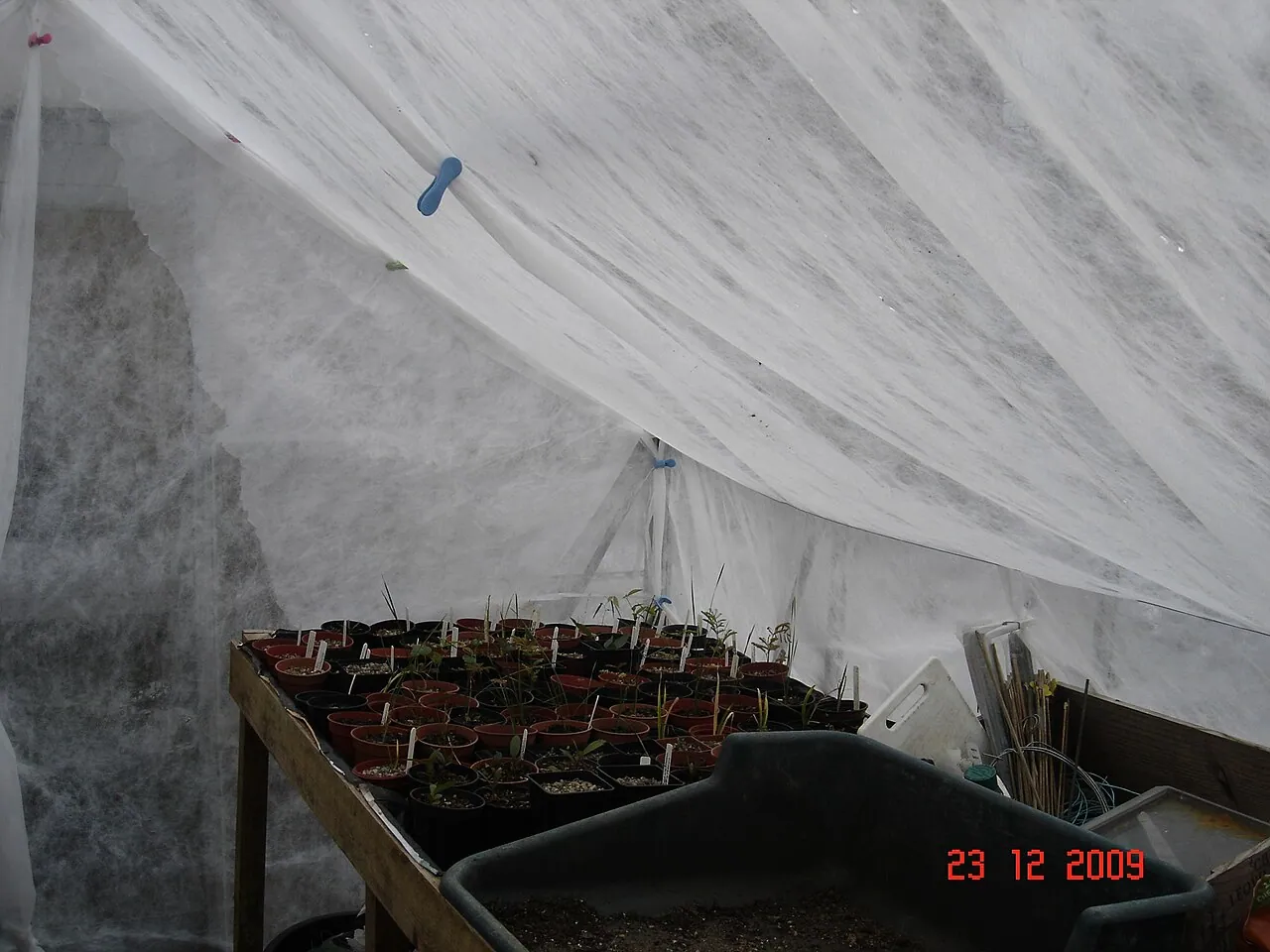
Check the species' light, drainage and planting requirements, including its mature height. Not every bulb suits the same depth or season. Prepare a label with the name and quantity before opening the packet. This prevents varieties becoming mixed on a busy bench. Choose a position where you can leave the foliage to complete its useful growth after flowering; a location that demands immediate tidiness may be unsuitable for a display you hope to maintain over several years.
Plant without unnecessary disturbance
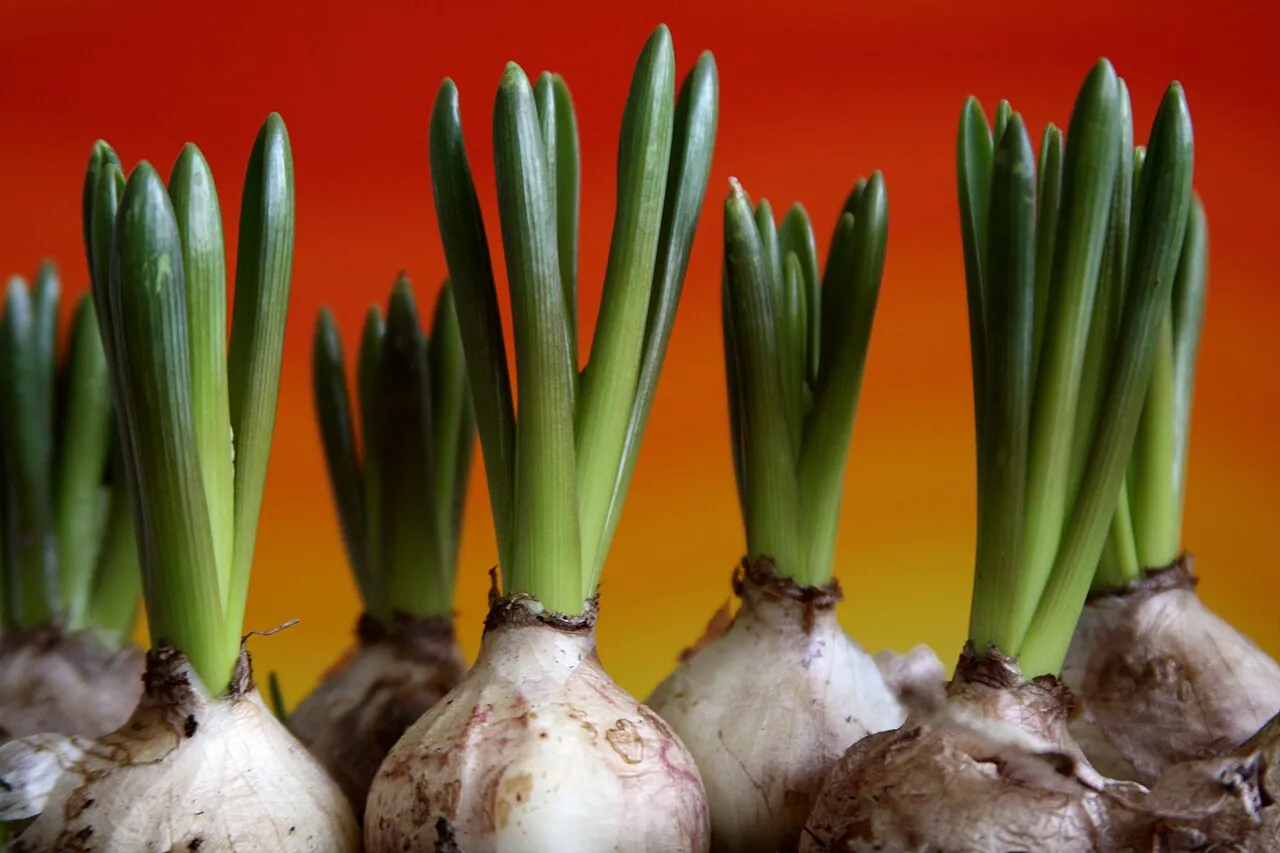
Work when soil is suitable rather than frozen or saturated. Use a hand tool that lets you feel and see nearby roots. Follow the planting guidance for the bulb instead of applying one depth to every species. Arrange small groups with enough space for their future growth and replace the soil carefully. Do not cut through substantial established roots simply to keep an exact decorative pattern. A slightly adjusted position is usually easier to live with than an injured neighbouring plant.
Leave a record for the hidden months
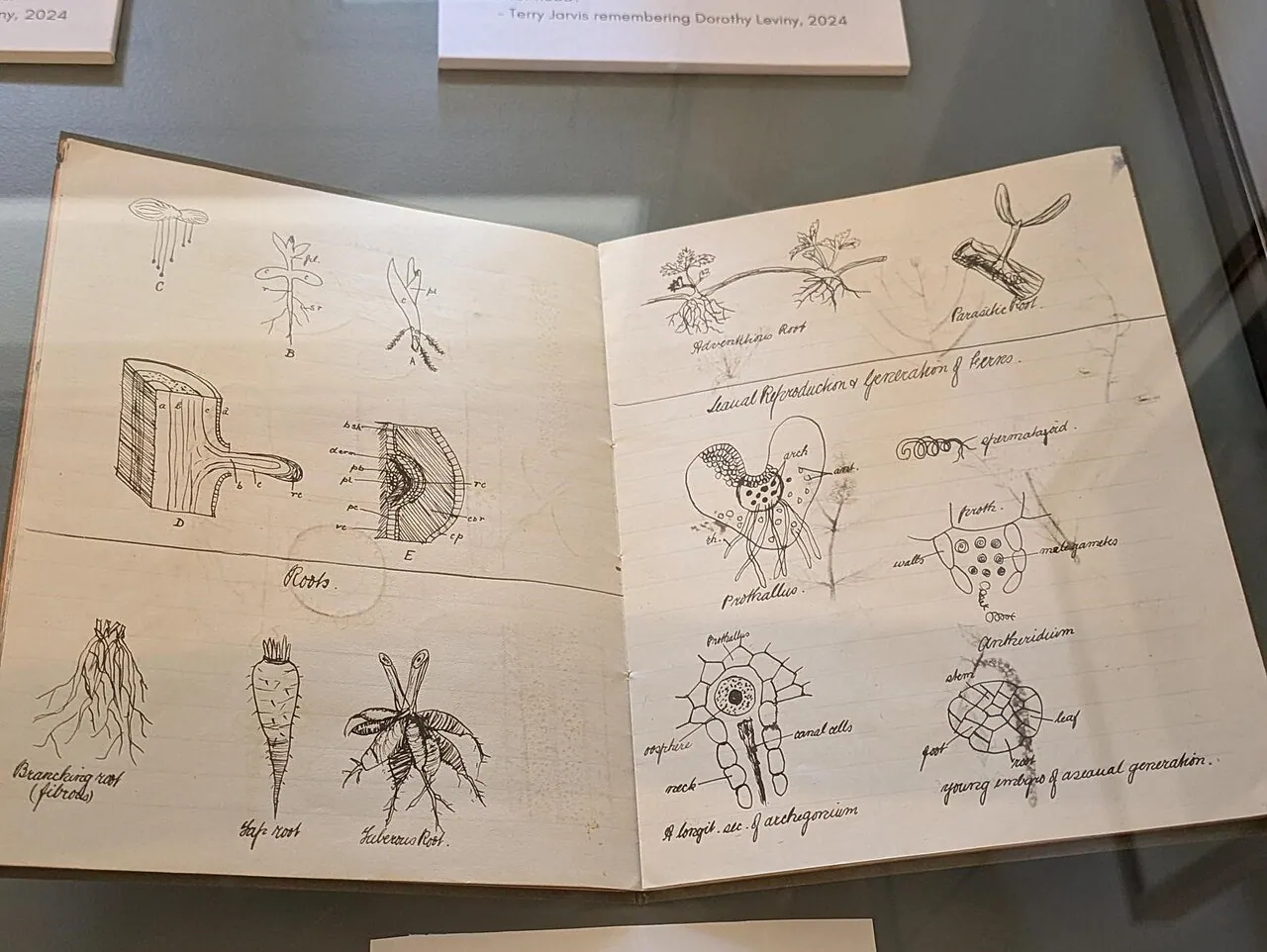
Mark the planting on your sketch and keep the packet details. A discreet durable label can help, but a second record protects against labels being moved during maintenance. In spring, photograph the flowering group from a fixed viewpoint. Note whether its height, colour and timing worked with the surrounding plants. When the flowers fade, resist covering the area with an incompatible new planting before you understand the bulb foliage's remaining needs and the space it occupies.
A little further reading
Match these general notes to your plant variety, climate and local conditions.