Start with the lawn you actually use
Map play areas, regular walking routes, seating and quieter edges. A flowering patch may work well where it is rarely crossed but be less suitable where bare feet and visiting insects frequently meet. Decide whether you want to tolerate existing clover or deliberately introduce it. Those are different levels of commitment. Observe a small area through a season first. Its appearance and durability in your conditions matter more than an idealised photograph of a uniformly green alternative lawn.
Understand the plant's behaviour
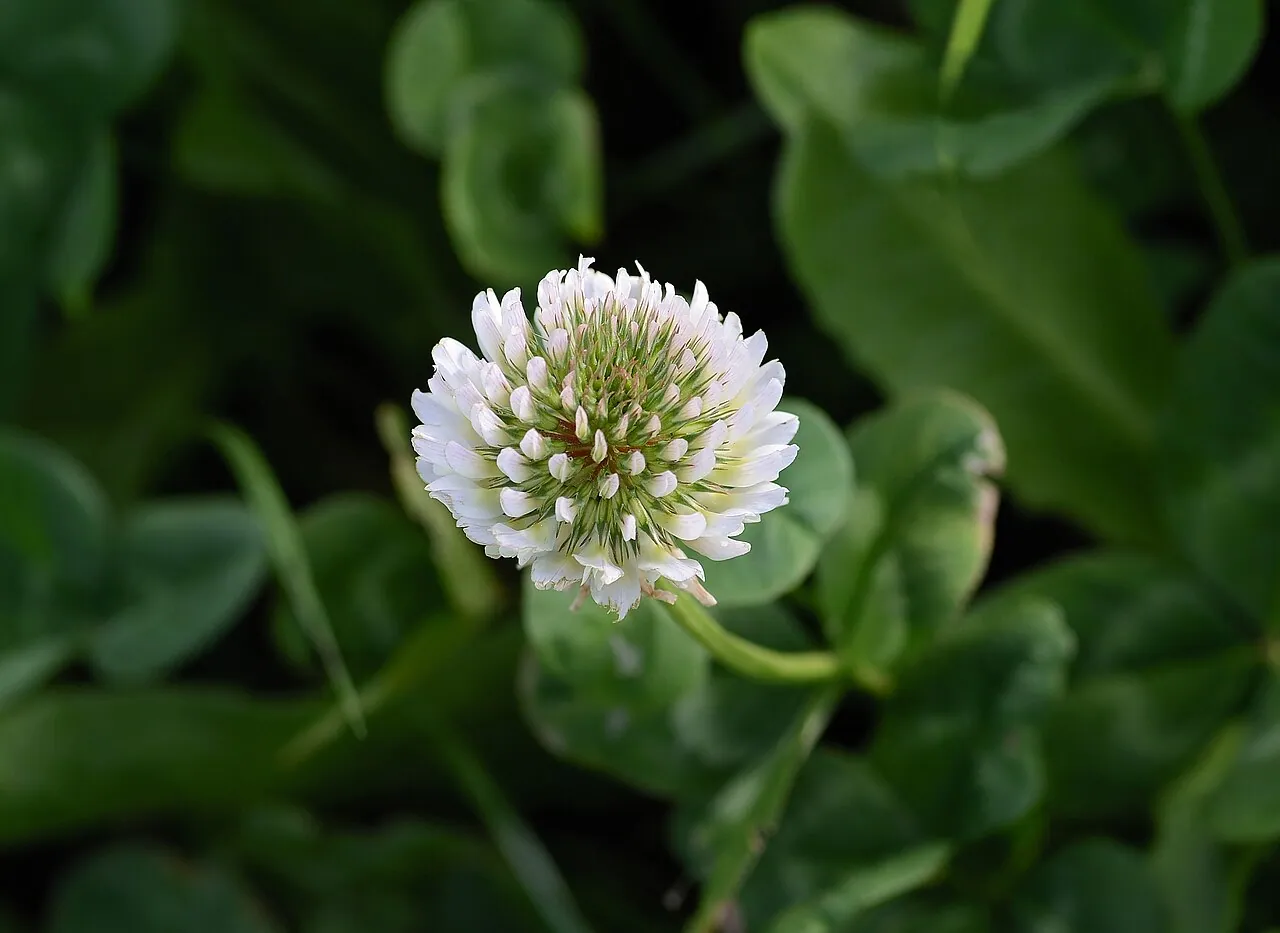
White clover can spread and seed, so check regional suitability and consider neighbouring beds before adding it. It is not a guarantee of a permanently green surface under every climate or level of wear. Keep the botanical identity clear rather than assuming every low-growing clover mixture has the same habit. If the patch borders a carefully managed flower bed, plan an edge you can inspect. A plant welcome in one part of the garden may need containing in another.
Make mowing a conscious choice
Allowing flowers between cuts changes both the appearance and use of the lawn. Choose a mowing pattern that preserves comfortable access and gives the flowering areas a purpose. Avoid making every part of the lawn follow an identical schedule if the garden has different uses. Observe how quickly the patch recovers from cutting and traffic. In prolonged dry weather, reassess the whole lawn's needs rather than treating clover as a reason to ignore establishment or suitable maintenance.
Review the boundary as well as the centre
Check where the plant is spreading, whether the surface remains useful and whether the flowering period fits family routines. Keep a record of maintenance rather than judging success by the first lush patch. If the arrangement is unsuitable, choose a responsible adjustment based on local advice instead of spreading the same mixture elsewhere. A less formal lawn can be successful without being completely converted. Retaining one modest flowering area may give the garden the balance you wanted.
A little further reading
Match these general notes to your plant variety, climate and local conditions.