Give warmth priority over an early date
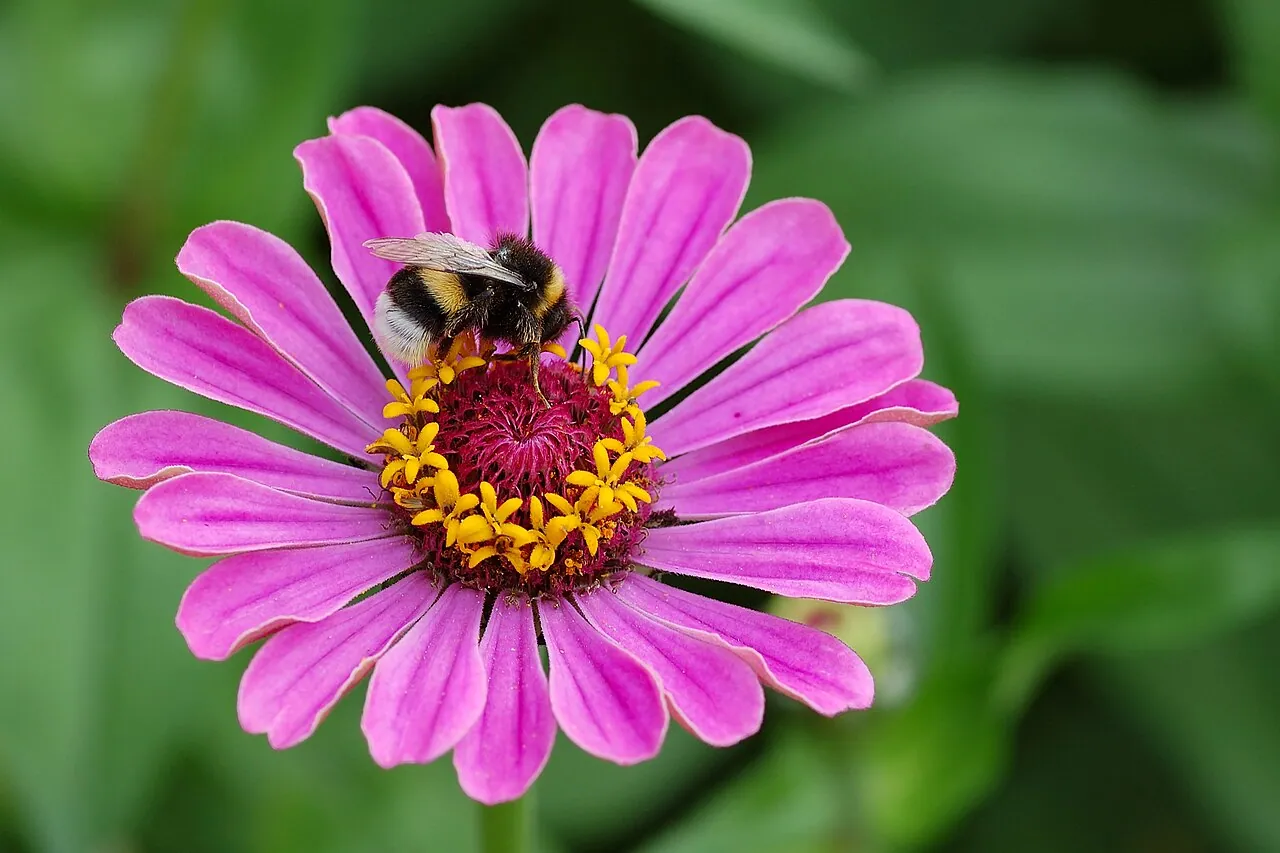
Zinnias are summer annuals that perform best in warm, sheltered conditions. Cold soil and lingering frost risk make an early planting less useful than it appears on a calendar. If starting indoors, use individual modules that allow careful transplanting with limited root disturbance. Before moving them out permanently, observe the planting area at night as well as during a sunny afternoon. A bed beside warm paving and an exposed low corner can offer very different starting conditions in the same garden.
Choose a useful plant height
Dwarf bedding zinnias and tall cutting selections solve different problems. A short variety can be excellent at a container edge while offering little stem length for a vase. Read the height description before buying seed and give tall selections enough room to branch. For a new patch, compare only two varieties so their habits are easy to distinguish. Mark them with weatherproof labels and leave space to reach the stems without repeatedly brushing through the entire planting.
Make every cut purposeful
Harvest with clean tools and follow the stem to a healthy pair of leaves or branching point. Removing only the flower head leaves an awkward bare stub and does little to shape the plant. Test a few flowers at different stages in separate small vases and note which remain attractive longest in your room. Keep this trial simple: same water, same position, different harvest stage. Your own stems, grown in your conditions, provide a better practical comparison than judging solely from a photograph of a mature bloom.
Plan for the late-season handover
Good spacing and watering at soil level help keep the canopy manageable. Inspect older leaves as the season advances, especially in humid weather, and distinguish cosmetic wear from a wider decline in vigour. A later batch of young plants may produce better stems than an exhausted early group. Record when the first sowing starts to lose quality and work backward using local growing conditions for the next season. Leave enough warm weather for the replacement to establish; a second sowing is useful only when it can mature before cold conditions return.
A little further reading
Match these general notes to your plant variety, climate and local conditions.