Choose a stem that fits the border
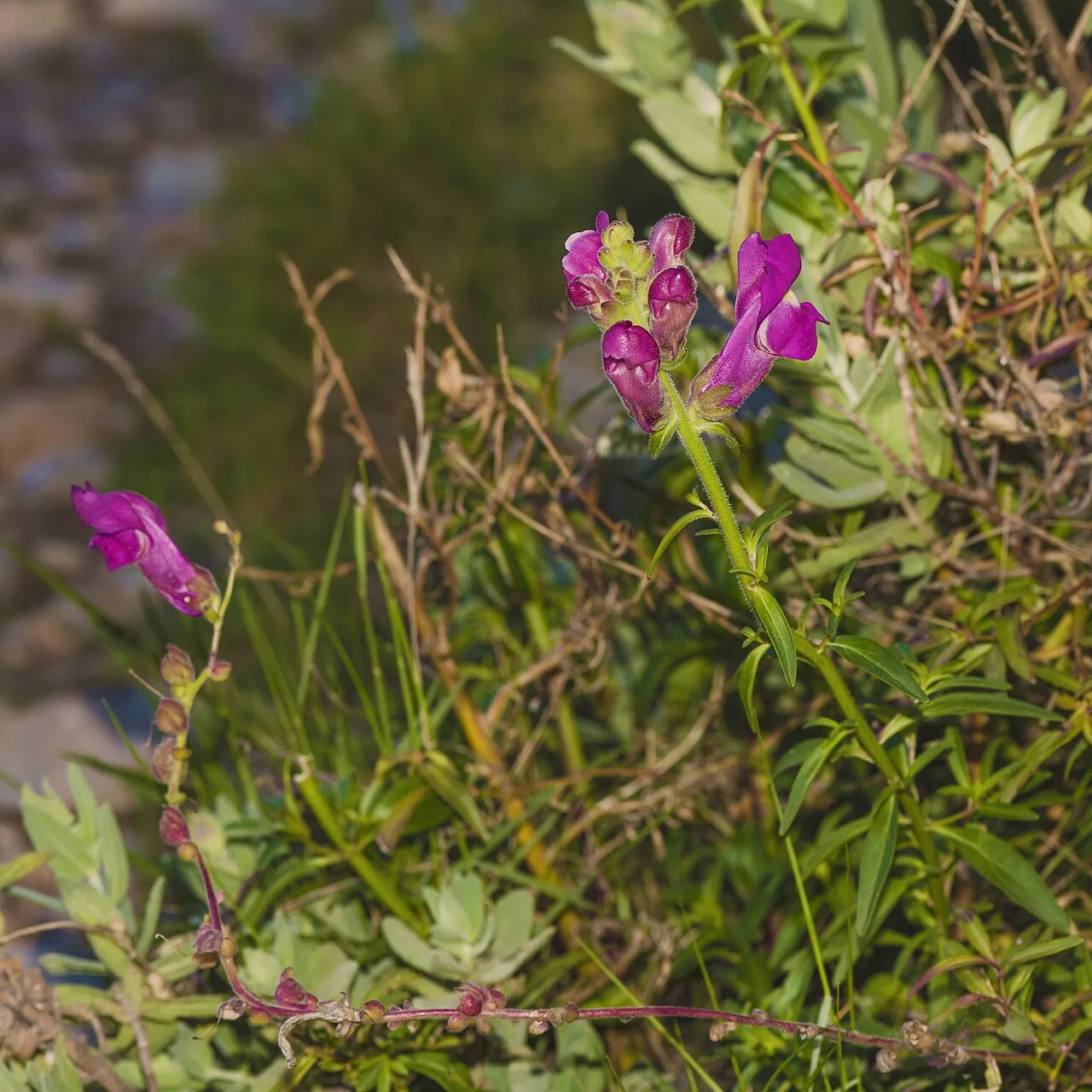
Snapdragons range from low edging plants to tall stems useful for cutting. Read the selection's height and place it where its vertical lines will be visible. In a windy garden, a middle position among compatible neighbours can be more forgiving than the outermost edge. Avoid surrounding the base with dense foliage simply to hide a support. You still need access for watering and enough openness to inspect the lower leaves without tearing through the planting.
Support the group while it is small
Tall snapdragons may lean under the weight of their flower spikes, especially after rain. Install discreet stakes or a suitable support grid before the stems become long. Guide each stem into space of its own instead of tying the whole group into a tight sheaf. After a windy day, check where a stem meets its tie; rubbing at that point can matter more than the amount of movement at the flower tip. Adjust tension as growth thickens.
Let the weather explain a pause
Snapdragons favour milder growing conditions and can decline in strong summer heat. A lull in flowers does not necessarily mean the plant needs richer feeding. Check moisture beneath the surface and observe whether fresh side shoots are forming. Remove spent spikes above healthy growth where appropriate, but avoid cutting a stressed plant into a leafless framework. In regions with long hot summers, local planting advice may favour a different season from a cool-climate seed packet's example.
Inspect beneath the flower show
Look at leaf undersides and the lower stem when brown or yellow marks appear. Snapdragon rust is one possible problem, but a photograph of the whole plant and close views of both leaf surfaces are more useful for identification than a vague description of brown leaves. Avoid unnecessary overhead watering and remove clearly affected debris carefully. Keep a small note of which cultivar stayed upright and which repeatedly needed rescue. Next year's improvement may be a stronger or shorter selection, rather than a more elaborate network of ties around plants that are poorly matched to the site.
A little further reading
Match these general notes to your plant variety, climate and local conditions.