Start with the planting spaces
Sketch the beds and containers available for annual flowers, including any plants that will already occupy them. Estimate how many mature plants those spaces can reasonably hold using the spacing guidance for each choice. Then consider the earlier stage: windowsills, propagation trays and protected places for young plants. A packet may contain many more seeds than you can raise comfortably. Buying fewer kinds and sowing only the quantity you need can produce a more successful display than filling every available tray with an unmanageable number of seedlings.
Read the less glamorous information
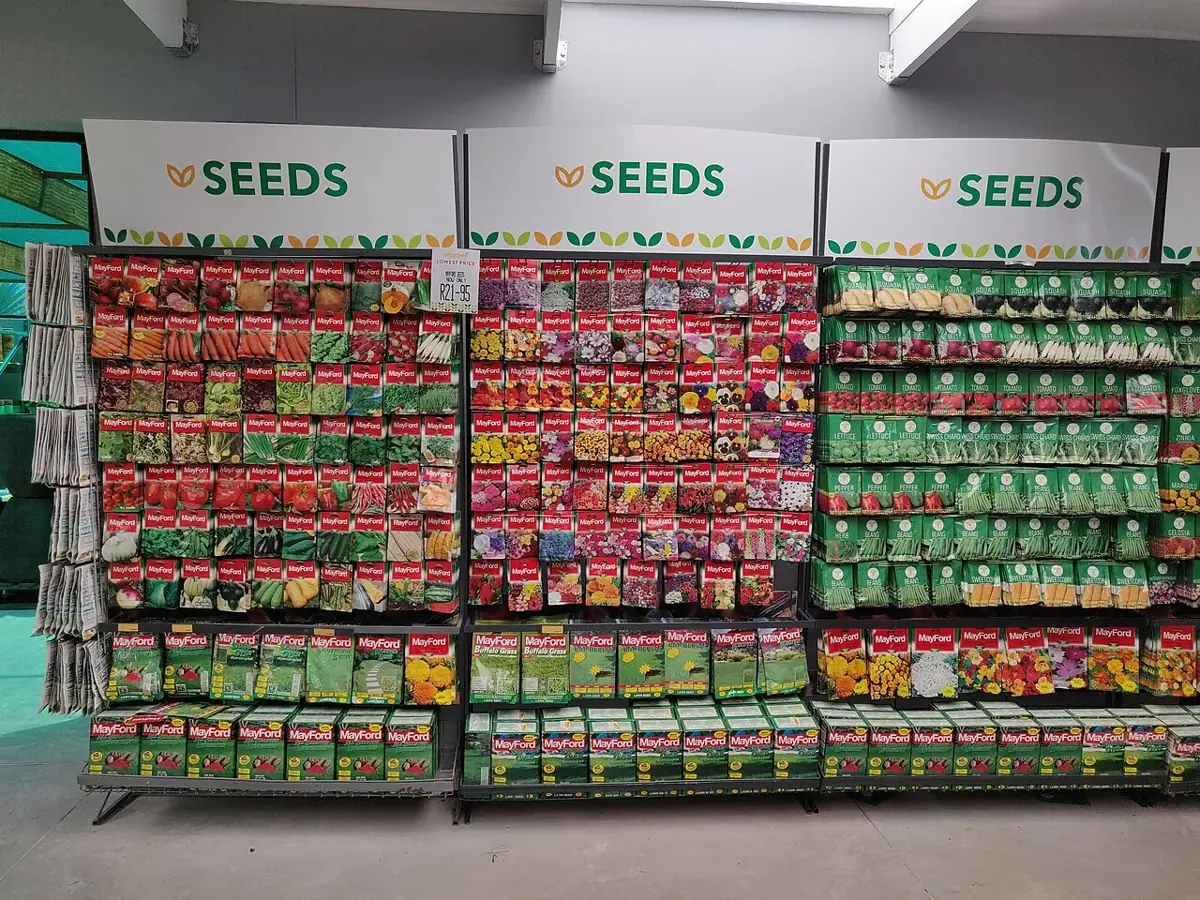
Look beyond the photograph on the packet. Check sowing method, timing, depth, expected height, spacing and whether the plant suits the conditions you can provide. Some flowers are conveniently direct-sown, while others may need an indoor start or a longer period before flowering. Interpret calendar suggestions in relation to your local climate and growing setup. If an instruction is unfamiliar, resolve it before ordering. A beautiful packet is not a useful purchase when its requirements depend on equipment or a protected space you do not have.
Compare the order with what you own
Sort existing packets and note their names, dates, remaining quantities and storage history. Keep uncertain stock separate from seed you are relying on for an important display. Check species-specific guidance if you need to assess older seed rather than assuming that every packet lasts for the same number of years. Compare your proposed order with last season's notes: a flower that disappointed in one position may deserve a different site, while another may simply not fit your available conditions. Make those decisions before adding substitutes to the basket.
Give each purchase a plan
Write a short line beside every chosen variety showing where it will grow, how it will be started and approximately how many plants you intend to keep. Leave some room for losses and changes without sowing an entire packet automatically. Group packets by their next action so the order becomes a workable sequence rather than a pile of attractive envelopes. When it arrives, check the contents and record anything unexpected. The most useful seed order is one you can follow through from packet to planting place, including the weeks in between.
A little further reading
Match these general notes to your plant variety, climate and local conditions.