Write the identity that will matter later
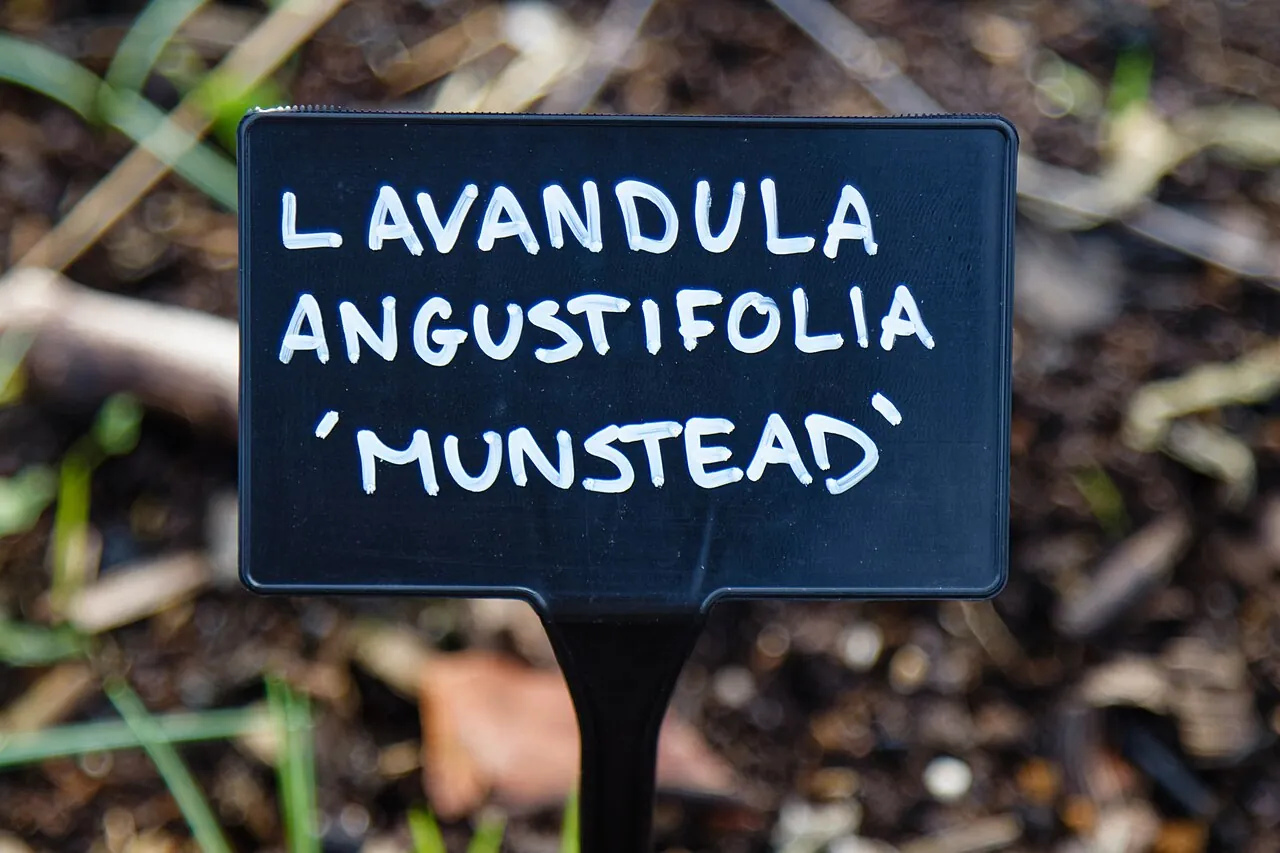
Include the plant's name and, where known, its cultivar rather than a colour description alone. Three pots marked pink flower are difficult to distinguish once flowering ends. For seedlings, add the sowing date and a batch number if you are comparing methods. Keep the wording short enough to read comfortably, and write out unfamiliar names carefully before copying them onto several labels. If the identity is uncertain, record that uncertainty rather than turning a hopeful guess into an apparently authoritative name that gets passed on.
Test the materials before labelling everything
Use a clean, dry writing surface and a marker or pencil suited to that material. A waterproof claim on a pen does not necessarily mean the writing will remain legible after months of sunlight and abrasion. Make a spare test label and leave it with the plants while keeping a dated photograph of the fresh writing. Inspect it during ordinary watering visits. Reused labels are useful when old wording has been removed clearly; a faint previous name beneath a new one is a predictable source of confusion.
Place the label where work will not hide it
Push a pot label securely into the growing medium without forcing it through a dense root ball. In a border, place it where you can find it after leaves spread or seasonal growth dies down. Avoid fastening an identification tag tightly around an expanding stem. If a label must hang from a support, check that its attachment cannot constrict the plant or rub against soft growth. Keep each label with its own pot when rearranging trays, and finish identifying one batch before starting another.
Keep a sheltered backup
Photograph the labelled pot and copy the essential name into a notebook or simple inventory. For permanent planting, add its position relative to a fixed feature rather than relying on memory. This second record protects the identity when a label fades, breaks or disappears during a tidy. When you replace a damaged label, compare it with the backup instead of guessing from the nearest plant. Before sharing a division or cutting, make a fresh label for the recipient and keep the parent plant's own identification in place.
A little further reading
Match these general notes to your plant variety, climate and local conditions.