Inspect the crown as well as the tubers
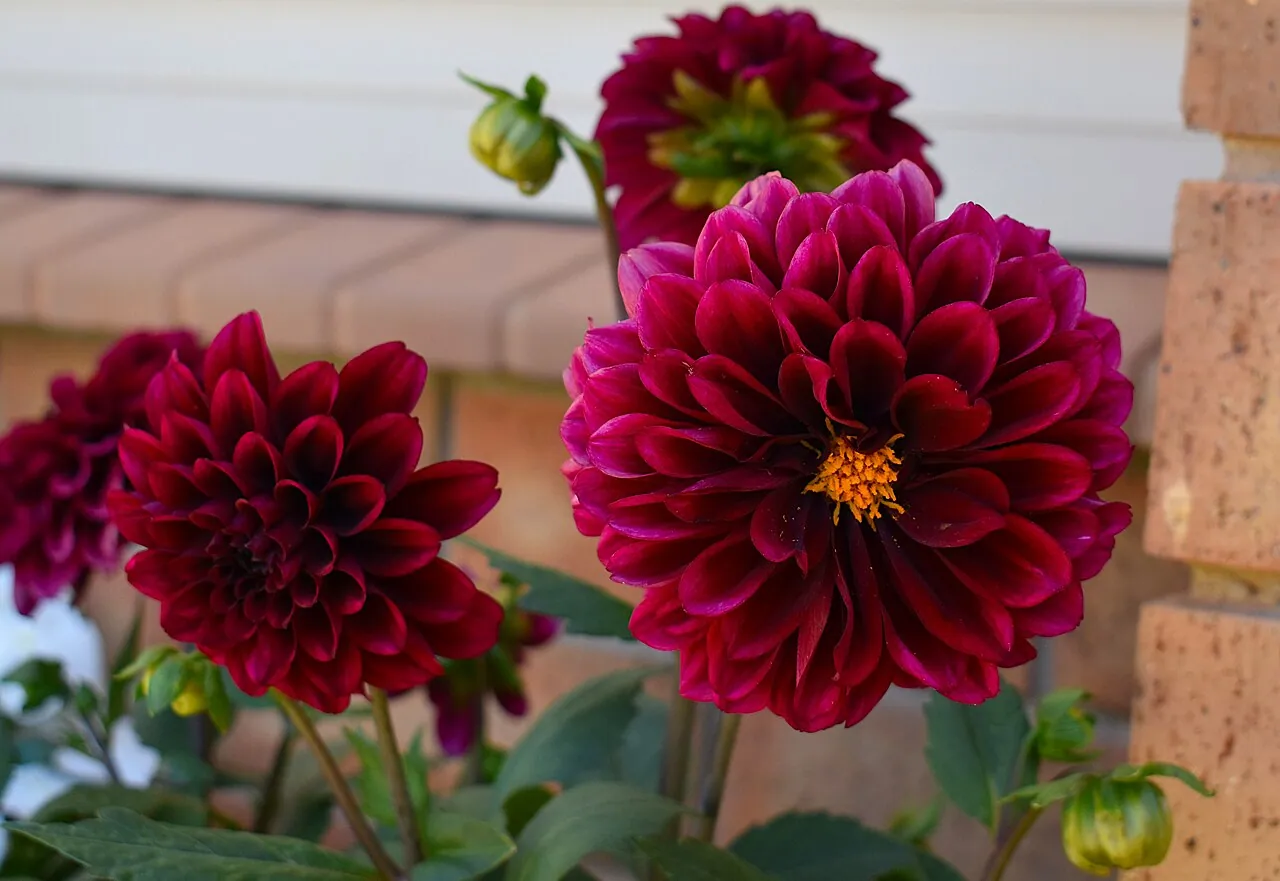
A dahlia clump is more than a collection of swollen roots. New shoots arise around the crown, so a detached tuber without a viable growing point may not make a new plant. Look for firmness, an intact neck and the area where last year's stem meets the clump. Reject material that is extensively soft or rotten. If a tuber looks uncertain, label it separately rather than placing it among sound stock and forgetting which plant needs closer observation.
Choose a protected starting place
In a cool climate, tubers can be started in pots in a bright, frost-free place before planting outside. Use a container that accommodates the clump without forcing or breaking the necks. Keep the medium only lightly moist before substantial growth develops; a dormant tuber does not use water like a leafy plant. Place the pot where shoots will receive light as soon as they appear. A warm dark cupboard may produce growth, but it does not provide a suitable place to develop sturdy stems.
Plant for the full summer shape
Once outdoor conditions are suitable, acclimatise the plant gradually and choose a sunny, well-drained position. Read the cultivar's expected height and spread before deciding spacing. Put a stake or surrounding support in at planting time, when its position can be chosen without stabbing blindly through roots. Draw a small map of varieties if several are planted together. Labels beside a bare shoot are easy to read now but can disappear beneath a large canopy by midsummer.
Follow the shoot into its first buds
Watch young growth for slug damage and tie developing stems loosely as needed. Pinching a vigorous young plant can encourage branching, although it may delay the first bloom; keep that tradeoff in mind if early flowers matter most. Water according to root-zone dryness rather than a fixed weekday, and avoid letting a newly planted root ball dry while surrounding soil remains damp. Record the first visible bud and first open flower. Those two dates help you judge next year's starting time without borrowing a calendar from a different climate.
A little further reading
Match these general notes to your plant variety, climate and local conditions.