Begin with the full botanical name
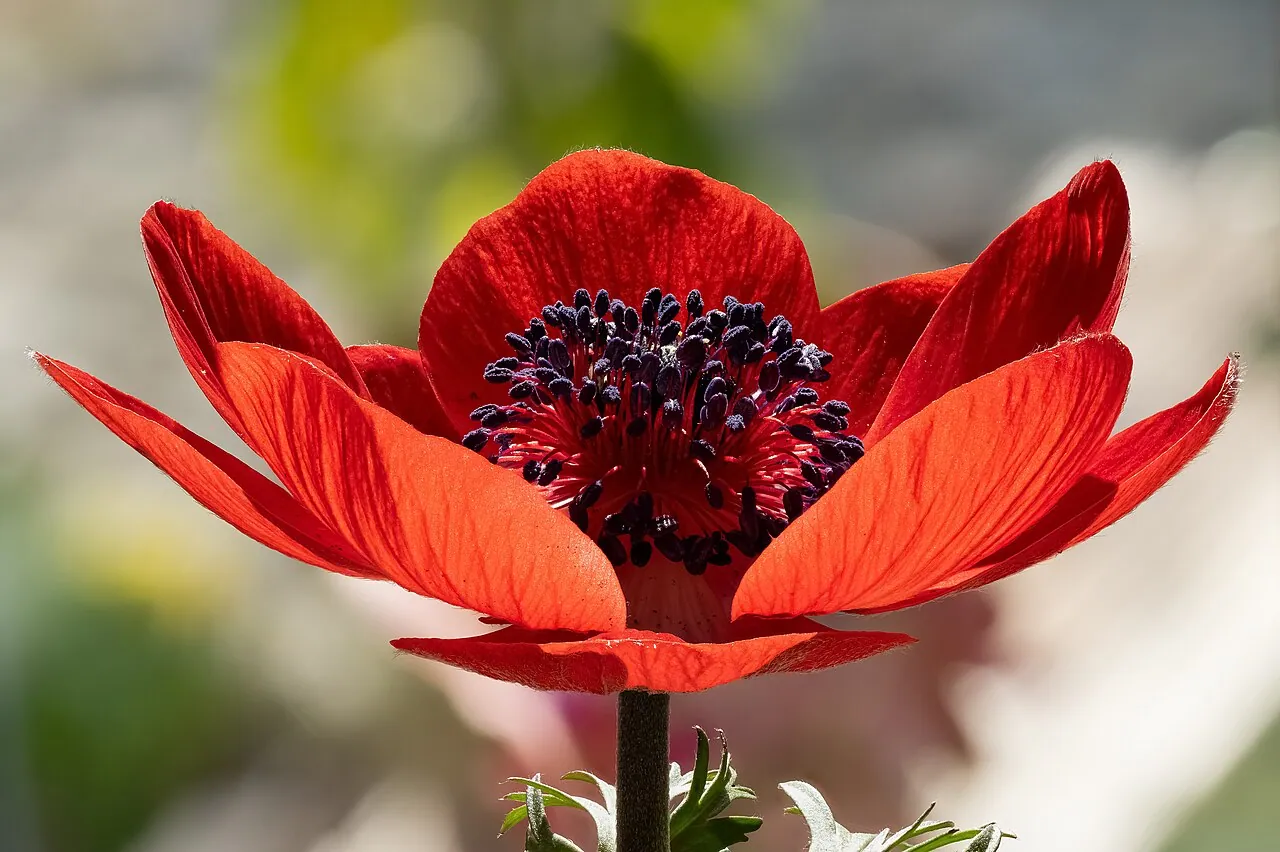
Poppy anemones, Anemone coronaria, offer vivid flowers from tuberous underground structures and differ from spreading autumn-flowering anemones. Woodland types are another group again. A photograph of a flower is not enough to choose a planting site or season. Write the name beside its expected flowering period in your garden notebook. If combining several kinds, give each a separate line so their requirements do not merge into a single misleading instruction to plant anemones in shade.
Fit poppy anemones to the climate
Poppy anemones favour a suitable sunny to lightly shaded position with drainage. In mild climates they may be planted for an early display; colder regions often need a protected start, a different planting season or treatment as seasonal plants. Follow the supplier's instructions for the specific material and local conditions. Do not place an entire batch outdoors simply because another region's photograph shows winter flowers. Keep a small labelled trial if hardiness at your site is uncertain.
Leave a quiet space after flowering
Let foliage finish its cycle rather than cutting it away as soon as the flowers fade. Poppy anemones can die back after their display, leaving a gap that may look available for immediate digging. Mark the location and plan any later companions around it. Take a photograph from above before the leaves disappear, including a fixed edge or paving joint as a reference. That makes the underground planting easier to locate without probing through it with a trowel.
Design a seasonal bridge deliberately
Decide whether the anemones are meant to fill a gap before summer plants expand or provide an autumn link after earlier flowers finish. Then choose the appropriate species rather than expecting one plant to perform both roles. On a simple calendar, record the first and last attractive flowers and the date foliage becomes unobtrusive. Use those observations to position the next plant in the sequence. A well-chosen shoulder-season display is successful because its timing fits the surrounding garden, not because it lasts indefinitely or resembles a catalogue in every month.
A little further reading
Match these general notes to your plant variety, climate and local conditions.