Inspect where the vine begins
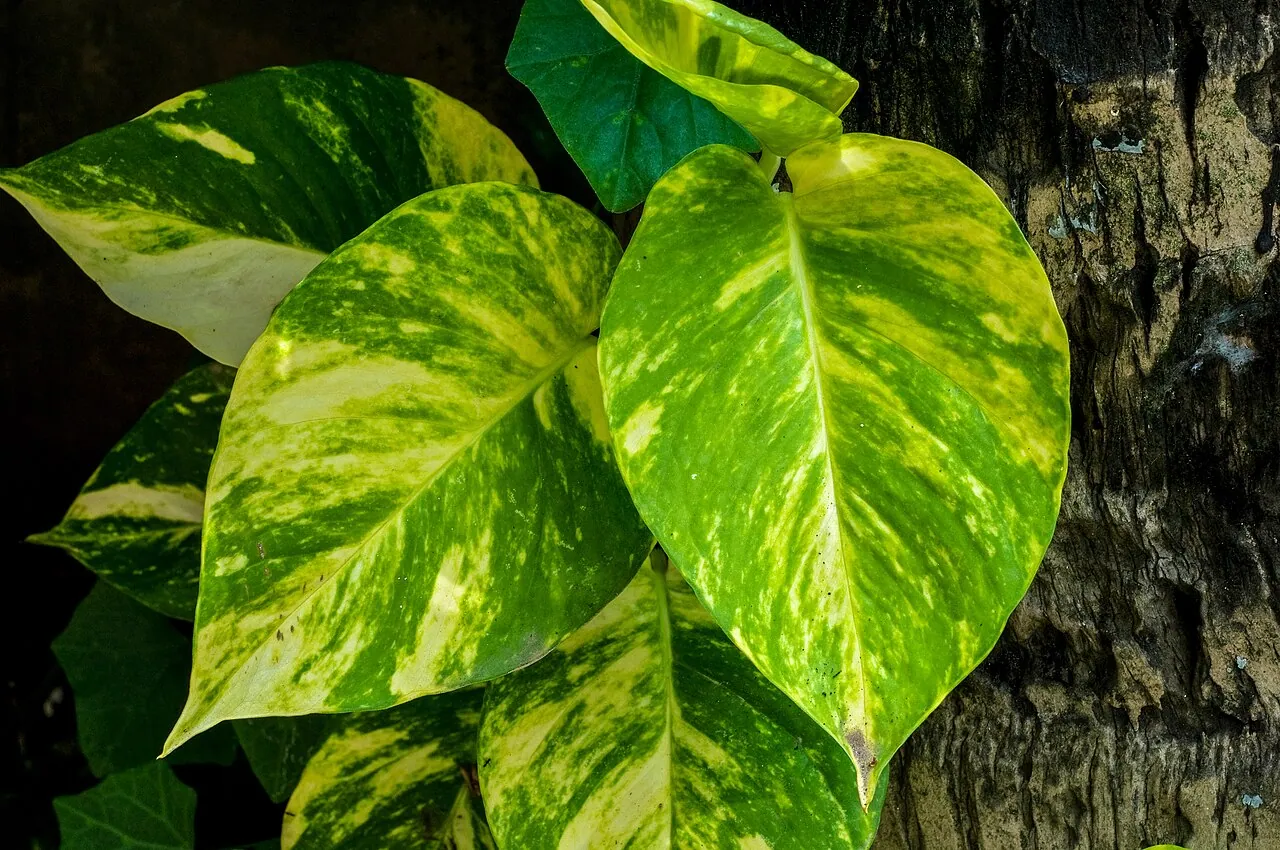
Look at the top of the pot before admiring the trailing ends. A high shelf may illuminate the hanging leaves while leaving the crown in deep shade. Check whether lower leaves have yellowed and fallen, whether the medium remains wet for long periods, and whether the vine is stretching between nodes. Photograph the plant from above. That view often reveals sparse areas hidden when the pothos is seen only from across the room.
Shorten with a branching plan
Choose a healthy vine and identify the nodes where leaves and aerial roots attach. Cut above a suitable node on the parent plant with a clean tool, leaving living growth that can support new shoots. Avoid removing every vine at once if the plant is already weak. Plan the desired outline first: some stems can remain long while others are shortened to rebuild fullness closer to the pot. Pruning is a shaping decision, not a substitute for fixing persistent overwatering or poor light.
Turn suitable trimmings into new plants
A leaf alone without the necessary stem node will not produce the intended new vine. Select healthy nodal pieces and root them using an appropriate water or potting-medium method. Label different cultivars if their colours are easy to confuse. Keep the cuttings separate while they establish so unsuccessful pieces do not disappear into the parent pot unnoticed. Once they have a functioning root system, they can be considered for filling a sparse pot if there is adequate space and compatible growing conditions.
Compare new growth instead of old gaps
Existing bare stretches do not instantly refill because the plant has been moved or fed. Watch the new shoots, leaf size and spacing between nodes over several weeks of active growth. Keep the crown in suitable indirect light and water according to the medium rather than the length of the vines. Take another overhead photograph from the same position. If the new growth is stronger and the pot is gradually filling, the plan is working even while a few older stems still reflect the plant's earlier conditions.
A little further reading
Match these general notes to your plant variety, climate and local conditions.