Decide whether division is actually needed
Look for a clump that is congested, spreading beyond its space or flowering mainly around the outside. Some perennials benefit from periodic division, while others resent disturbance or need a different method. Identify the plant and choose a suitable season for its growth and flowering habit. Photograph the clump before lifting and mark its healthiest portions. This helps distinguish a planned rejuvenation from simply cutting a large plant into as many pieces as possible.
Prepare the new spaces first
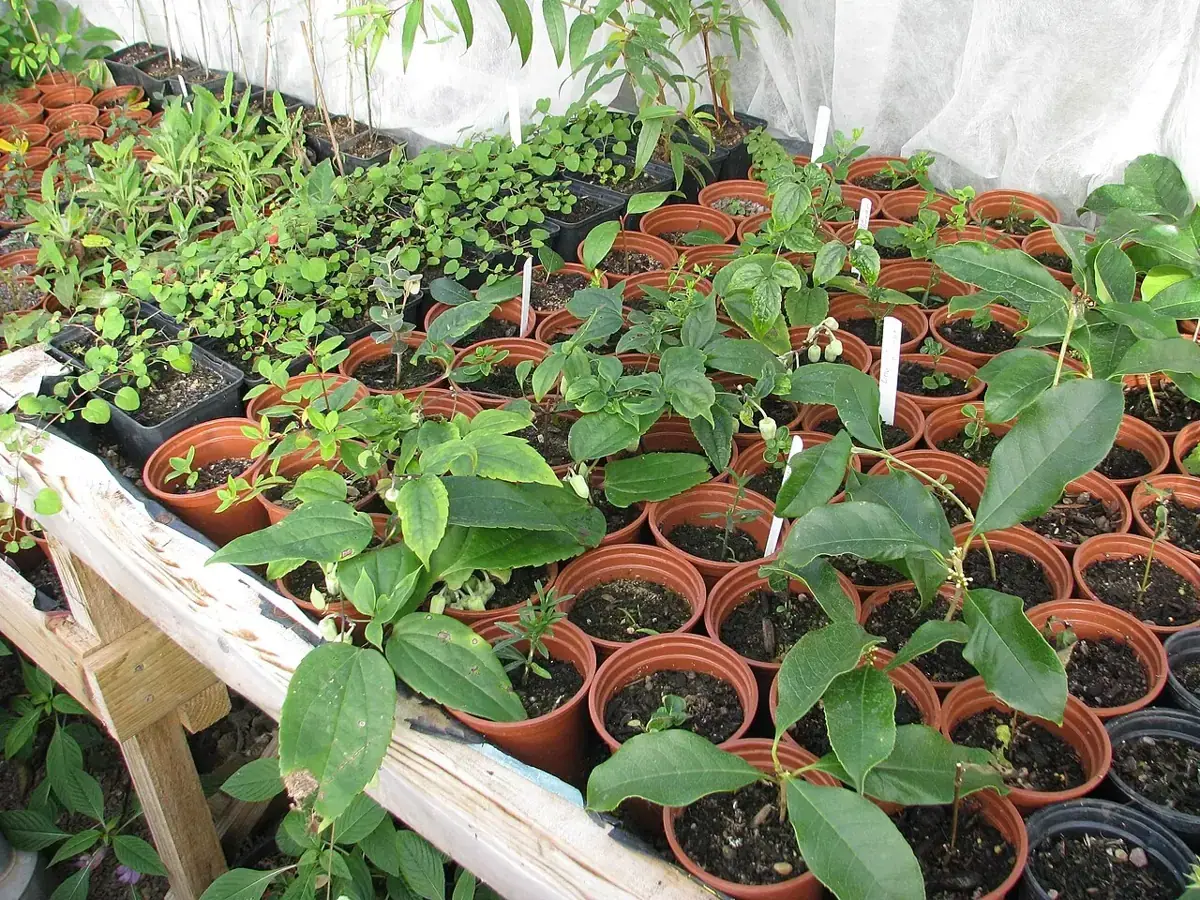
Choose destinations with conditions suited to the plant and make sure there is room for the mature divisions. Prepare pots or planting areas before lifting so roots are not exposed while you search for somewhere to put them. Water the plant beforehand if the soil is dry, allowing workable conditions rather than mud. Use a fork or spade carefully around the clump, keeping enough distance to avoid slicing through every outer root on the first attempt.
Read the crown before separating it
Remove enough loose soil to see the structure. Fibrous clumps may tease apart, while woody or fleshy crowns can require clean cuts with an appropriate tool. Retain sections with healthy growing points and a useful root system. If the centre is exhausted or dead, discard it rather than treating the original middle as the most valuable piece. Avoid making divisions so small that each has too little reserve to establish. Keep different cultivars labelled throughout the process.
Replant for recovery and future room
Replant promptly at the correct depth for the species, settle the soil and water appropriately. Protect from severe drying while roots establish, without leaving the area saturated. Mark the new positions and record how many divisions were kept, shared or discarded. During the next flowering season, compare vigour and spacing rather than expecting every division to equal the original clump immediately. If a planting repeatedly needs emergency division because it blocks a path, the longer-term solution may be a larger allocation of space or a less vigorous plant in that particular position.
A little further reading
Match these general notes to your plant variety, climate and local conditions.