Start with the conditions the plant knows
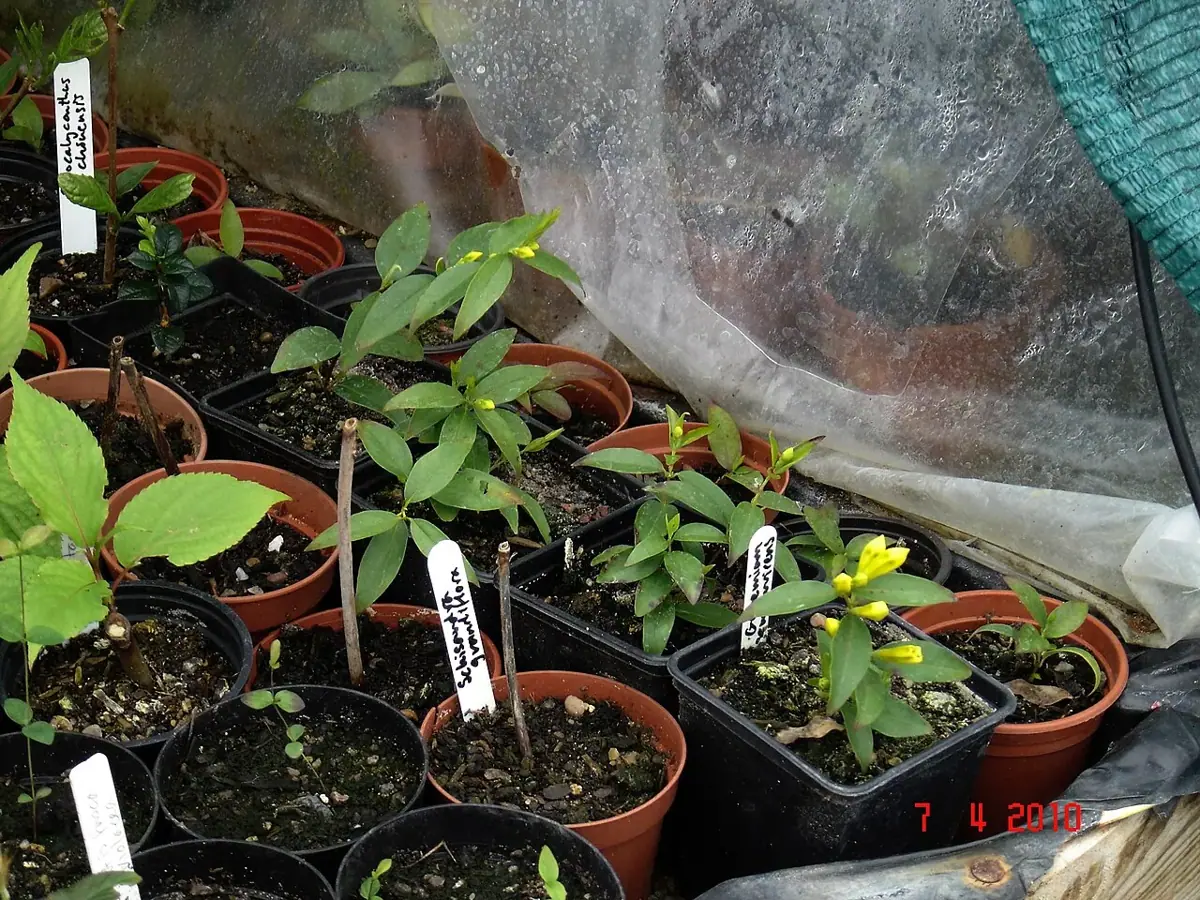
Seedlings raised under cover have experienced less wind and often lower light intensity than they will meet outside. Check their health before beginning: a weak, dry or recently transplanted seedling may need recovery first. Choose a sheltered outdoor staging place where trays can be moved easily. A bright open patio is not automatically a gentle first stop. Identify shade and wind protection ahead of time so the first exposure is deliberate rather than whichever spot happens to be empty.
Increase one demand at a time
Begin with a limited period in mild, sheltered conditions and build exposure gradually over roughly one to two weeks, adapting to the plants and weather. Introduce stronger light and more air movement carefully. Check the trays during the day, because small cells can dry much faster outdoors. Do not deliberately wilt seedlings to prove they are tough. If leaves show scorching or severe stress, step back to gentler conditions and reassess the pace.
Let the forecast interrupt the routine
A cold snap, strong wind or unusually bright hot day may require protection or a pause. Hardening off does not make a tender plant able to survive freezing temperatures. Keep a clear plan for bringing trays under cover, including where they will fit and who will move them if you are away. Mark the tray with the start date and make a brief note of exposure, rather than relying on memory when several batches are being prepared at different times.
Match planting day to readiness
Before final planting, check both the plant and the bed. Roots should be established enough to hold the plug, and the soil and forecast should suit the species. Plant at an appropriate depth, water in and retain temporary protection if conditions remain unsettled. Observe the first few days outside and note whether leaves stay firm and new growth continues. A successful transition is measured by steady establishment, not by completing a numbered schedule exactly. The next batch can follow the same principles while taking a different number of days if the weather demands it.
A little further reading
Match these general notes to your plant variety, climate and local conditions.