Observe one view through time
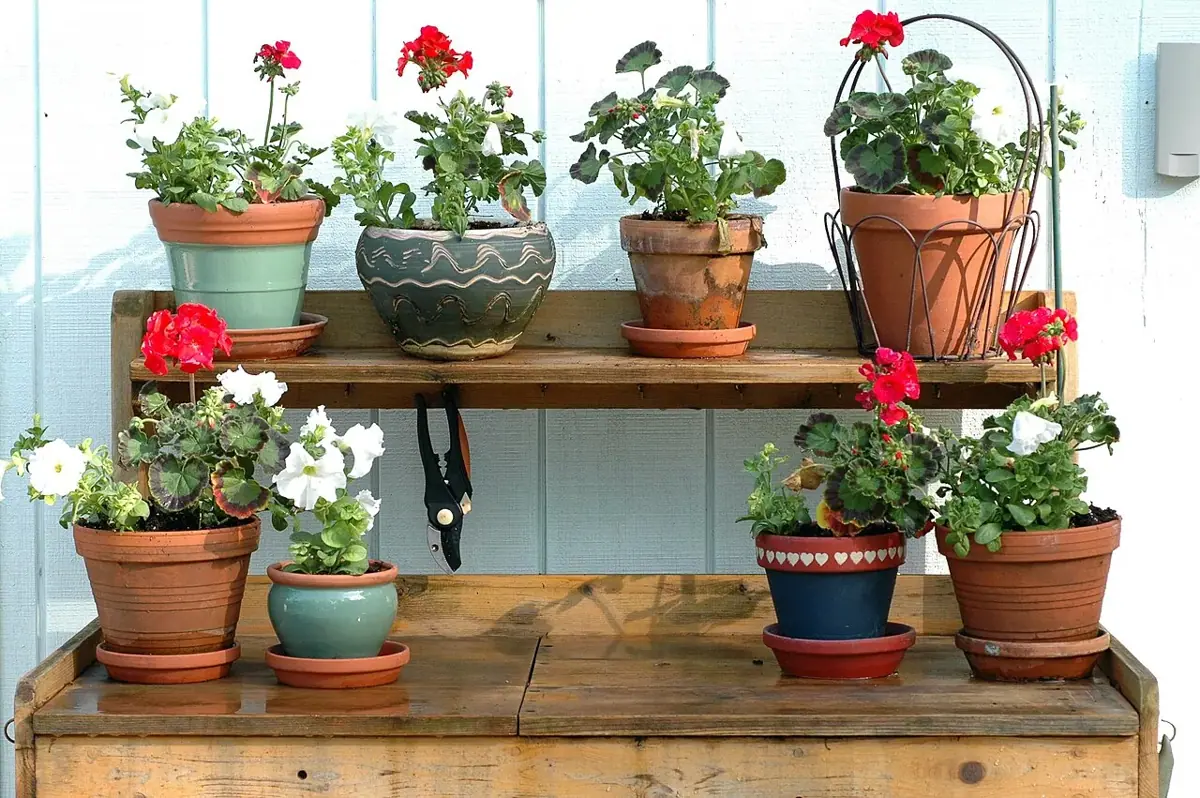
Choose a border, group of pots or view from a window that you see regularly. Give it a page or small section of a notebook and record it at intervals through the growing season. Start with the colours present on the day, including foliage, stems, walls and containers. A flower colour does not appear in isolation, and a permanent backdrop may have more influence than a short-lived bloom. Keep the project small enough that you can revisit the same view instead of constantly beginning new pages for different corners.
Record timing beside the colour
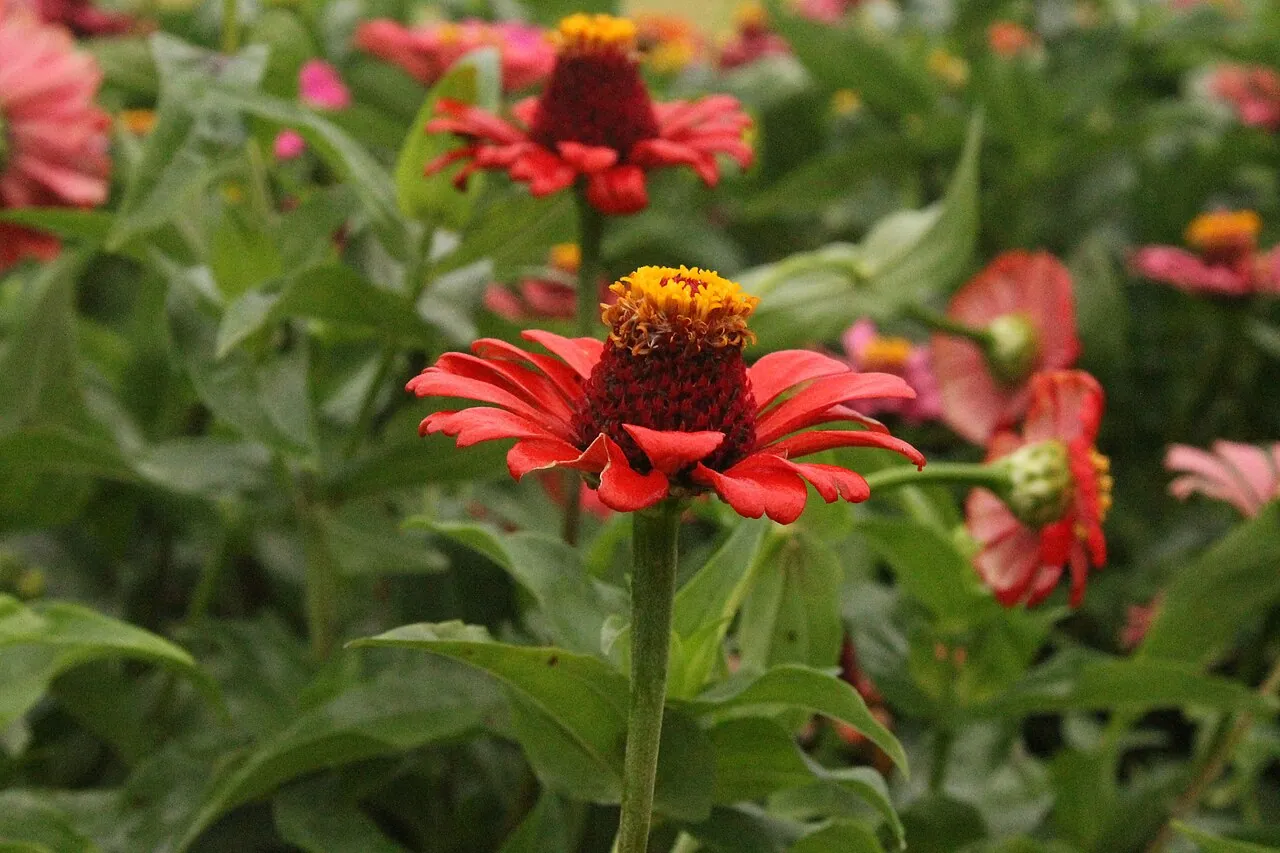
Write the date and plant name beside each colour note, then distinguish first flowers, peak display and the fading stage. A rough swatch in pencil or paint can be enough; it does not need to reproduce the flower perfectly. Add a photograph taken in ordinary light, avoiding heavy filters that change the balance. If a flower looks different in shade and sun, record both impressions. These observations help you see whether a combination exists for several weeks or only during a brief overlap that is easily missed.
Notice the size of each contribution
A small bright flower and a broad sweep of pale foliage can affect a scene in very different ways. Sketch their approximate positions and the amount of space each occupies. Look for an area where the colour feels concentrated, a useful pause of green, or a gap that appears after one plant finishes. Include the view from the place where you normally sit or enter the garden. A combination that looks lively from close range may be almost invisible from the kitchen window where you most often enjoy it.
Translate one observation into a change
At the end of the season, choose a single adjustment supported by the pages. You might repeat an existing flower in a second pot, move a container closer to the main view, or look for interest during a recorded quiet period. Check that any proposed plant also suits the soil, light and space. Keep the successful combinations in the notebook instead of redesigning everything because a new palette looks attractive online. Your own seasonal record can guide a garden that feels coherent while still leaving room for spontaneous discoveries.
A little further reading
Match these general notes to your plant variety, climate and local conditions.