Offer something ready to leave
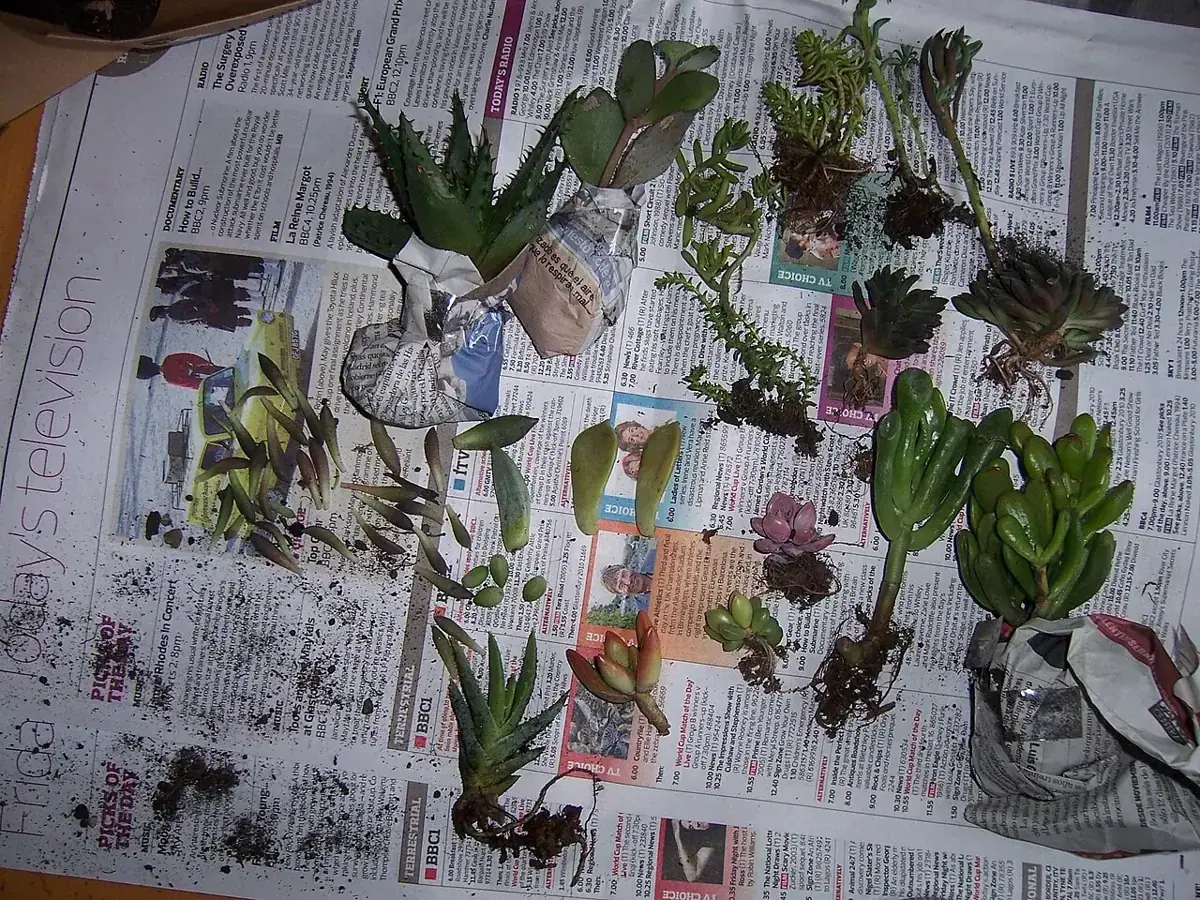
Choose a healthy division, rooted cutting or seedling that you can identify with reasonable confidence. Inspect it before the exchange and avoid passing on a plant with an unresolved pest or disease problem. If a cutting has not rooted, say so clearly rather than presenting it as an established young plant. Put it into a clean, suitable container and check that it can travel without its growing medium spilling everywhere. A smaller sound specimen is a more useful gift than a large, neglected plant that requires an immediate rescue.
Write the notes a new grower needs
Attach the plant name, cultivar if known, propagation date or approximate age, and a short description of its current growing conditions. Include whether it has been indoors, under cover or outside. Those details help the recipient understand the change they are asking the plant to make. Add any uncertainty about identity or flowering colour. If the plant spreads vigorously in your garden, mention that too. An honest label is more valuable than a confident promise that it will behave identically in every soil, climate or room.
Agree the handover
Confirm what each person expects before the exchange: a rooted plant, an unrooted cutting, seed, or a division with temporary foliage loss. Bring a carrying box and enough labels to keep different plants separate. Avoid collecting soil or plants from places where you do not have permission, and check relevant local restrictions before moving unfamiliar or potentially invasive species. At a community event, follow the organiser's plant-health guidance. A simple handover works best when the practical details have been settled before everyone is balancing pots in a crowded doorway.
Keep a traceable beginning
Record who supplied the plant, the date received and the name provided. Inspect it when you arrive home and give it a suitable settling position away from vulnerable plants until you are satisfied with its condition. Keep the original notes even if you rewrite the label. Later, tell the donor how the plant has grown or ask a specific question about a feature you cannot identify. That small exchange of observations makes a swap a continuing source of local knowledge, rather than an anonymous addition to an already crowded shelf.
A little further reading
Match these general notes to your plant variety, climate and local conditions.