Match the hedge to its real job
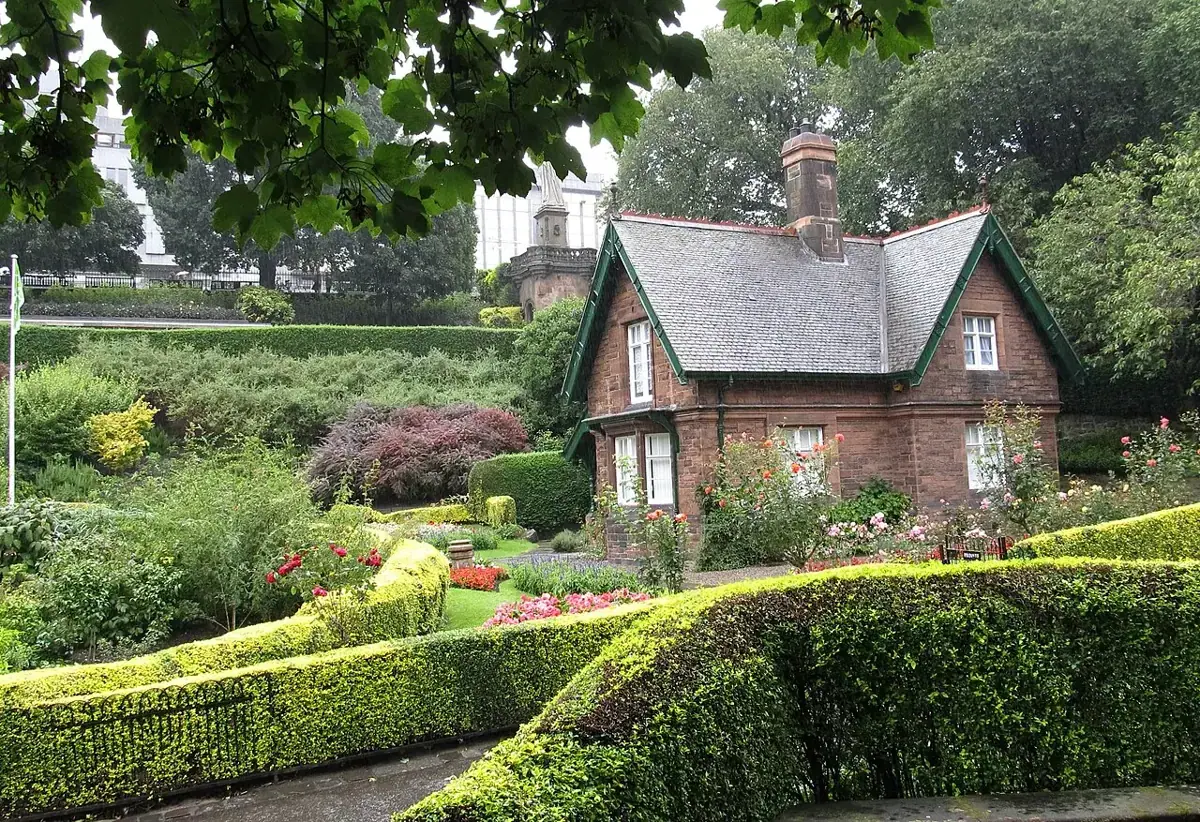
Decide whether the boundary needs privacy, wind filtering, a soft edge or separation between garden areas. Measure the width available as carefully as the height. A hedge that is constantly forced into an unsuitable narrow strip can become difficult to maintain. Choose species appropriate to the region, soil and exposure, and check their mature growth. Include access for inspecting both sides where possible. A living boundary is easier to manage when the maintenance route is part of the original planting plan.
Notice flowers, fruit and cover
Different species contribute at different times, and pruning affects what remains available. Before choosing a cutting routine, learn where the plant flowers and fruits and how it responds to trimming. Keep notes on the months when the hedge is visibly used by wildlife. A mixed hedge may offer varied structure, but it also asks you to recognise more than one growth habit. Variety should fit your ability to maintain it, rather than become a reason to make every plant conform to one uniform cut.
Inspect before every cutting session
Look for active nests and other occupied habitat without pushing into or disturbing them. Do not rely on a date alone to decide that a hedge is empty. If activity is present or uncertain, postpone the relevant work and consult appropriate local guidance. Check the condition of tools, access and footing before starting. Substantial height reductions or tree-sized growth may need professional help. Ordinary trimming should not become an improvised large-branch operation because the equipment is already out.
Plan work in manageable stages
Where appropriate for the hedge and local guidance, avoid removing all useful structure at once. Record which sections were cut and how they responded. Keep the base free of dumped materials that block inspection, while allowing suitable undisturbed habitat nearby. If repeated heavy cutting is required simply to keep the boundary usable, reconsider the planting choice. A hedge that suits the space can provide privacy and seasonal interest with a clearer, less disruptive maintenance rhythm.
A little further reading
Match these general notes to your plant variety, climate and local conditions.