Keep the variety label close
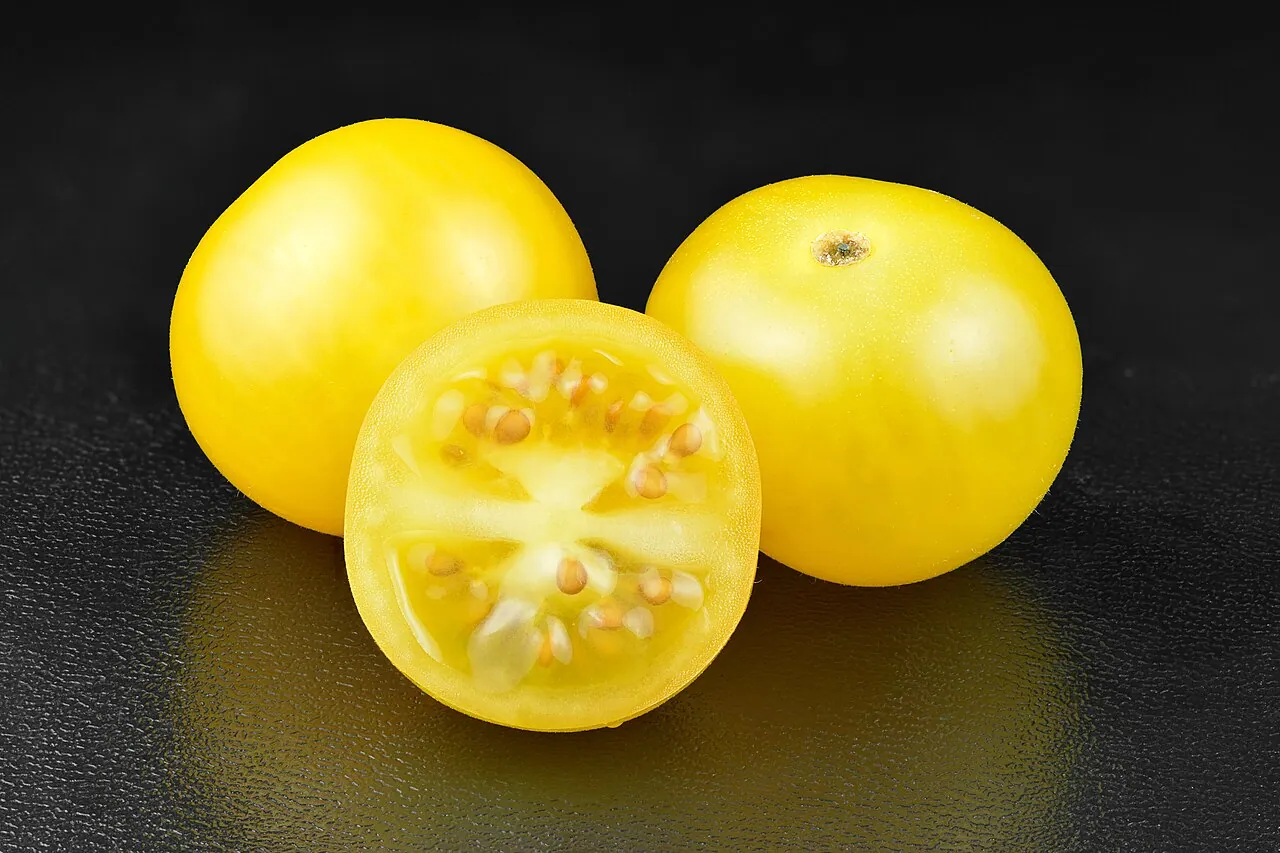
Determinate tomatoes are commonly described as bush types; indeterminate tomatoes continue extending and are often grown as cordons. The distinction changes how you train them. Some varieties have intermediate habits, so the seed supplier's instructions remain useful. Save the label rather than assuming fruit size or leaf shape reveals the answer. A small cherry tomato can still grow into a tall plant. Write the expected training method on the support when planting so routine care does not depend on remembering a name months later.
Treat side shoots according to habit
A cordon system usually retains a main stem and removes selected side shoots arising between that stem and the leaves. Bush tomatoes normally keep their branching structure, which carries much of the crop. Removing every side shoot from every tomato therefore does not produce the same result. Before cutting, trace the shoot to its origin and distinguish it from a flower truss. If identification is uncertain, pause and check the variety rather than making an irreversible cut because another plant was managed that way.
Support the shape you intend to keep
A tall cordon needs a secure vertical support and ties that accommodate growth. A bush type may still need a cage or other support to keep fruit-laden branches from collapsing, especially in containers. Install these while roots and stems are easy to work around. Leave room to reach the inner foliage and inspect fruit. Check ties regularly as stems thicken. Support should share the weight without squeezing the stem or requiring branches to bend sharply around an unsuitable frame.
Keep water and records consistent
Both habits need appropriate warmth, light and a steady root environment. Inspect moisture beneath the canopy and feed according to the chosen product and crop stage. Record the variety, training decisions and first useful harvest. At the end of the season, compare effort and yield with the space available. A bush plant that crops heavily over a shorter period may suit one kitchen, while a trained cordon may suit another. The useful choice is the one whose growth pattern fits your actual garden and harvest routine.
A little further reading
Match these general notes to your plant variety, climate and local conditions.