Check whether branching is the goal
Pinching removes a shoot's growing tip and can encourage buds lower on the stem to develop. That is useful for many bushy bedding plants and herbs, but it is not a universal treatment. A plant grown for one tall stem or a specific flower form may need a different approach. Read the species and variety guidance before cutting. Decide whether you want more branches, a lower outline or an earlier main flower, because these aims can lead to different decisions.
Find the tip and the leaves below it
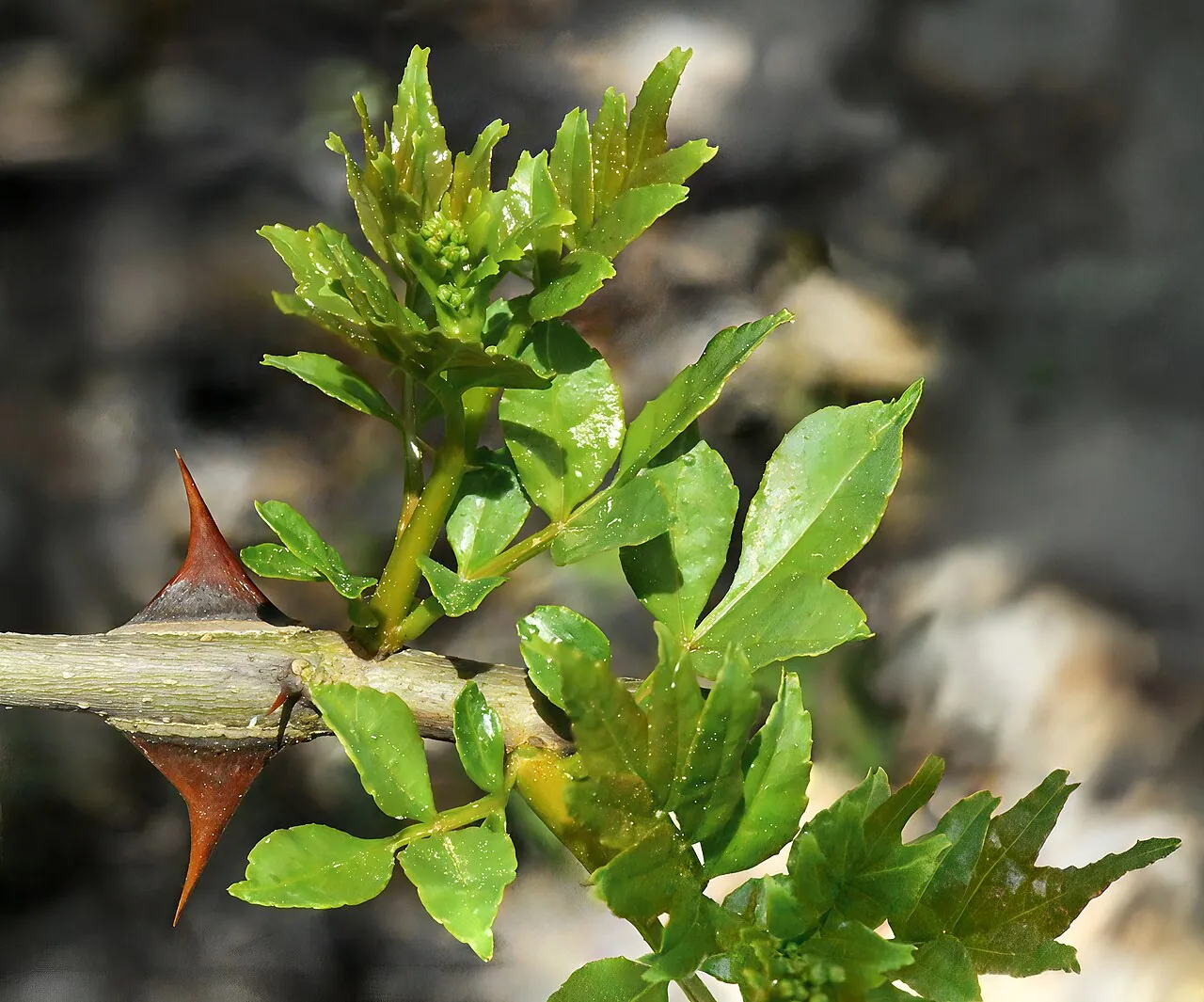
Look closely at the stem and locate the young central growth above a healthy set of leaves. Make the small removal at the point appropriate for that plant, leaving enough foliage to support recovery. Do not confuse a leaf stalk with the main stem or remove a large section by accident. Use clean fingers or a small sharp tool according to the stem's toughness. Work on a stable surface with good light so the intended cut is clear before you make it.
Wait for a plant capable of responding
A weak, recently transplanted or poorly lit seedling needs suitable growing conditions before additional shaping. Pinching does not fix stretched growth caused by insufficient light. Check roots, moisture and active new growth first. After pinching, monitor the lower buds rather than repeatedly trimming because nothing changes immediately. The response depends on the plant and conditions. Some crops also flower later after pinching, so account for the remaining growing season and any date when you hope the display will be at its best.
Compare a small trial before treating everything
If you are unsure how a variety will respond, pinch a few healthy plants and leave comparable plants unpinched. Label them clearly and keep their care similar. Record branching, first flowering and overall usefulness rather than judging only height. A bushier plant is not automatically better if the season ends before its flowers open. Keep the successful method in the variety notes for next year. This turns a common gardening instruction into a tested decision suited to the actual plant, climate and purpose of your planting.
A little further reading
Match these general notes to your plant variety, climate and local conditions.