Prepare the surface before the seed
Fill a clean draining container with a suitable fine-textured medium and moisten it evenly. Level the surface so tiny seeds do not roll into hollows, but avoid pressing it into a hard slab. Set out the label and choose a sheltered place without a fan or breeze. Fine seed can disappear onto a sleeve or workbench almost invisibly. Work over a clean sheet of paper or tray that makes spilled seed easier to see and recover.
Make a small quantity visible
Tip a modest amount onto a folded paper crease or another suitable sowing aid rather than pouring directly from the packet. Tap gently to distribute seed across the surface, changing direction so one corner does not receive most of it. Some gardeners mix very fine seed with a small amount of dry fine sand to help distribution, provided this suits the species and method. Stop before the surface looks crowded. The aim is an even scattering, not a dark carpet that proves the packet was emptied.
Cover only when the seed requires it
Check whether the seed needs light for germination. Some fine seeds should remain at the surface, while others benefit from a very light appropriate covering. Do not assume the usual depth rule applies without checking. Water gently enough to avoid washing seeds into clumps; bottom watering can be useful where suitable, followed by free drainage. If using a cover to conserve moisture, monitor the tray closely and ventilate or remove it as emergence and conditions require.
Plan the first thinning before emergence
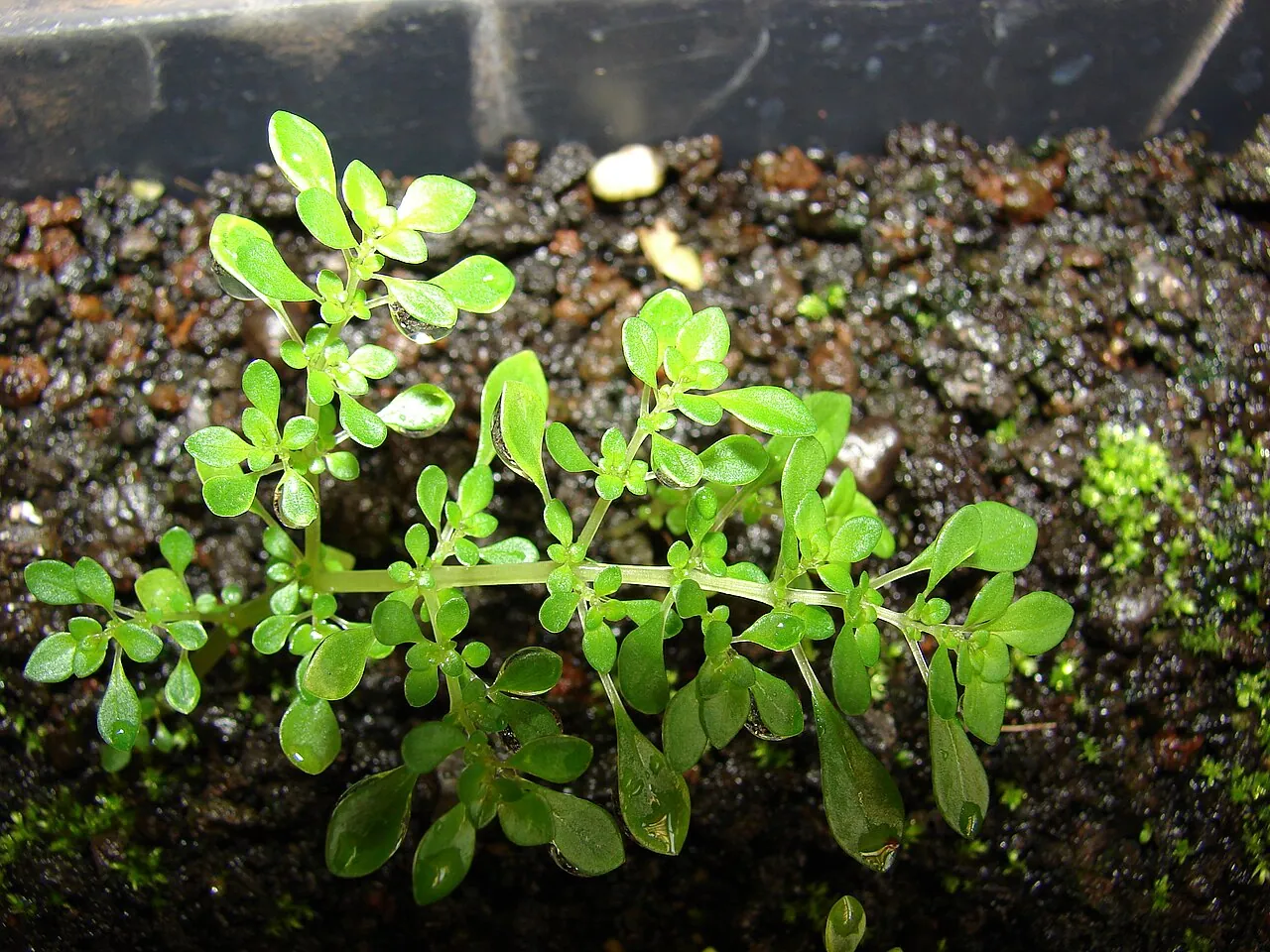
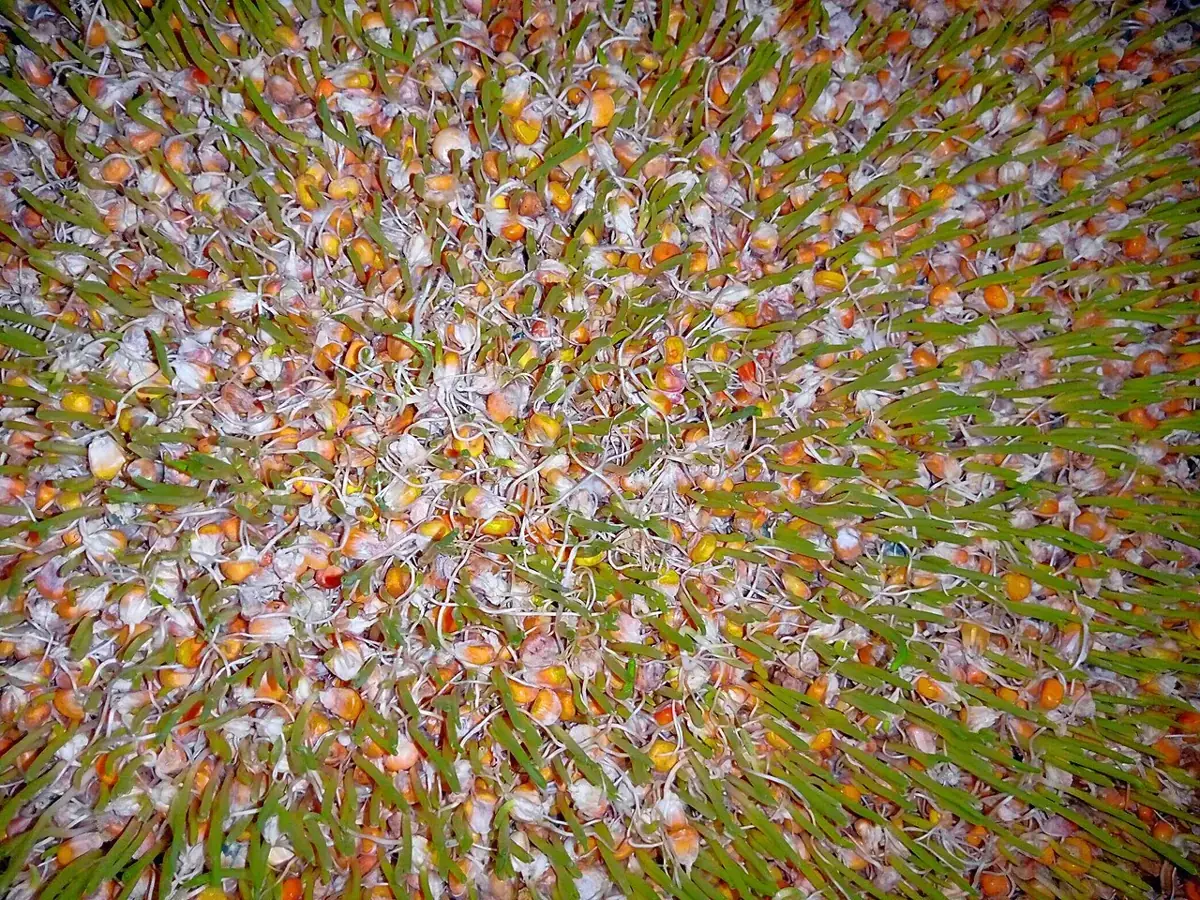
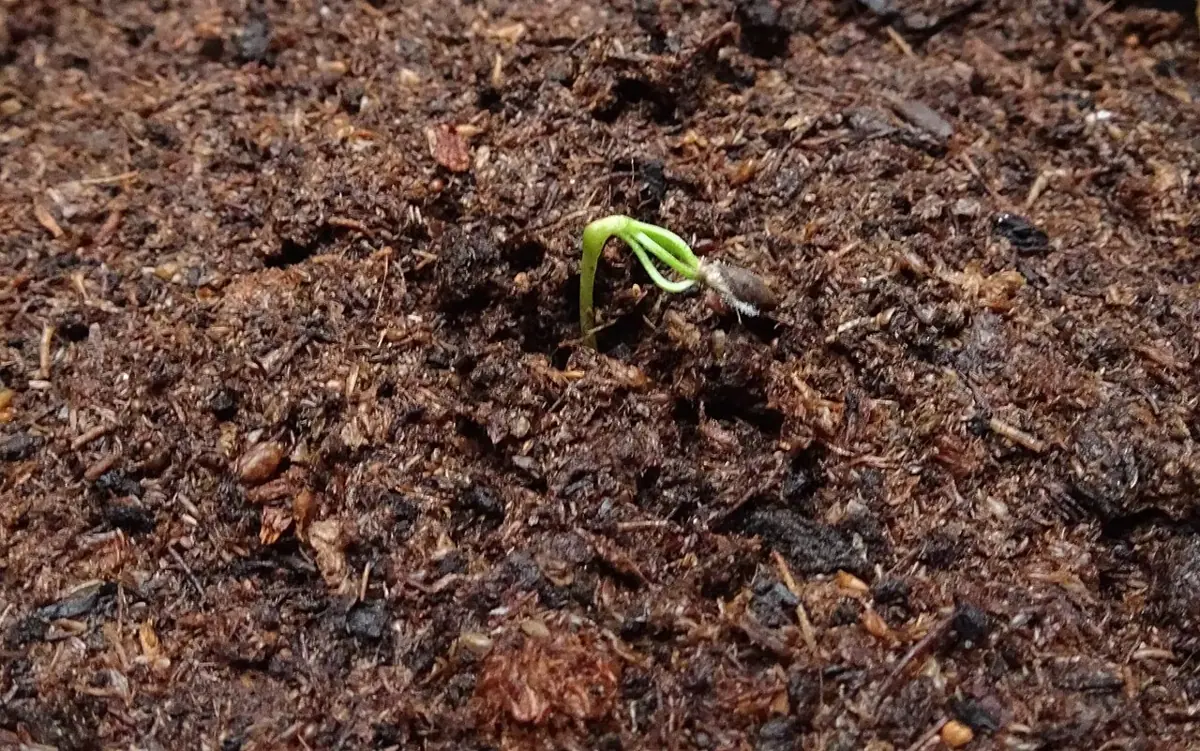
Decide how many seedlings you intend to grow on and prepare space for them. Once seedlings appear, photograph the surface from above and compare it with the intended distribution. If one area is dense, thin or transplant at a suitable stage rather than waiting until roots and stems are intertwined. Handle the seedlings according to their species' tolerance of disturbance. Record the amount of seed used in a practical way, such as a fraction of a packet, so the next sowing can be smaller and more deliberate if this one still proved excessive.
A little further reading
Match these general notes to your plant variety, climate and local conditions.