Look at the leaf surface first
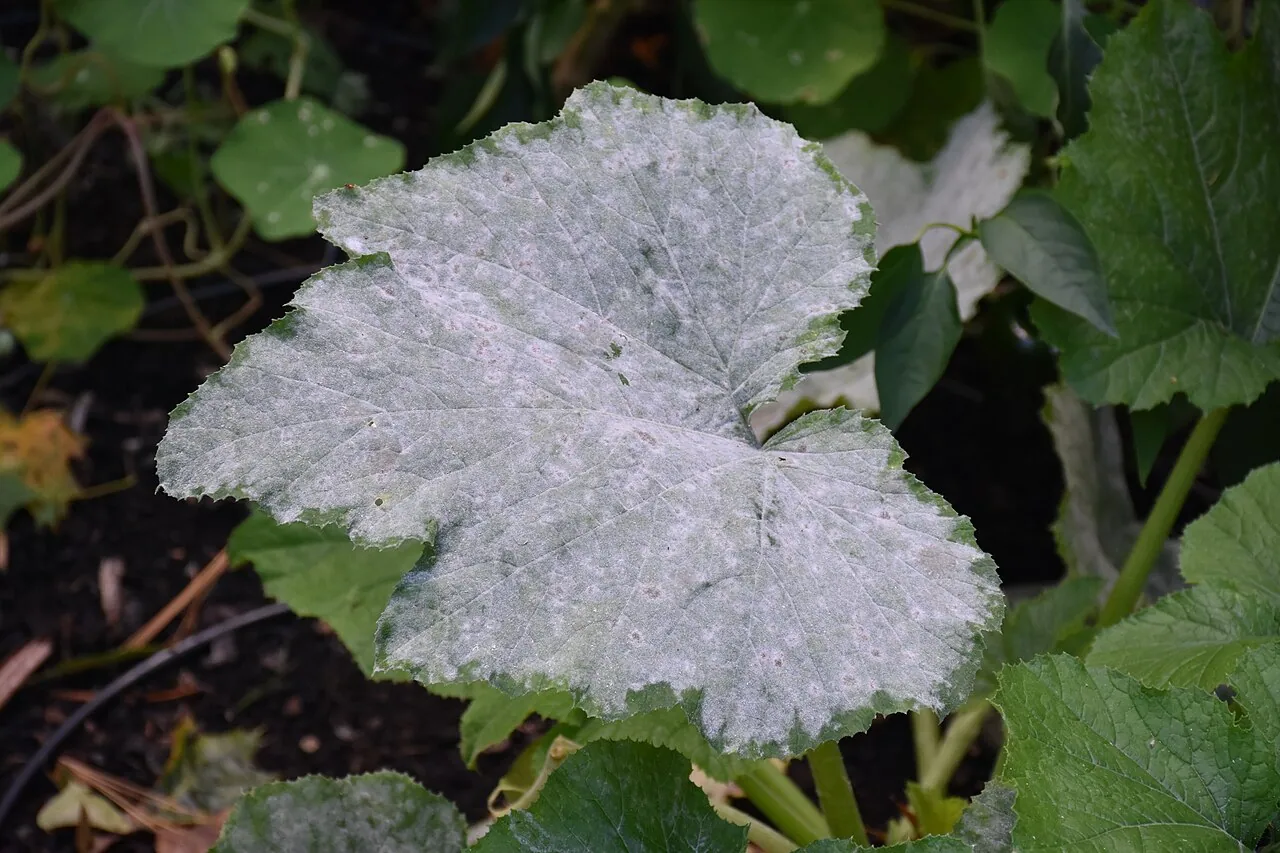
Smooth, sturdy leaves can often be wiped gently, while hairy, waxy or delicate leaves need a different approach. Identify the plant and check its care guidance before rubbing. Some natural surface coatings are part of the leaf's protection and should not be polished away. Examine one leaf closely to distinguish ordinary dust from sticky deposits, pests or disease. Cleaning is useful maintenance, but it should not erase evidence of a problem before you have understood what produced it.
Support the leaf while wiping
For a suitable smooth leaf, use a soft cloth lightly dampened with plain water and support the underside with your other hand. Work gently from the base outward without pulling on the stalk. Rinse or change the cloth as it becomes dirty so grit is not dragged across the surface. Clean a small section first if the leaf seems fragile. Avoid household oils, mayonnaise or improvised shine mixtures; a glossy appearance is not a measure of healthy leaf function.
Rinse only where the plant can handle it
Some sturdy plants can be gently rinsed with lukewarm water in a sink or shower. Protect the potting mix from being washed out and avoid saturating a root ball that does not need watering. Let the plant drain and dry in suitable conditions before returning it to its position. Do not leave water trapped in sensitive crowns or leaf pockets where the species is prone to damage. For plants unsuitable for wiping or rinsing, seek a plant-specific method rather than forcing every leaf through the same routine.
Turn cleaning into an inspection
Look at leaf undersides, stem joints and new growth as you work. Sticky residues may signal sap-feeding insects, while fine speckling or webbing deserves closer examination. Keep an affected plant separate while identifying the cause, and clean cloths and tools before moving through the collection. Record any unusual pattern with a photograph. The useful result is a clean, undamaged leaf and a better understanding of the plant's condition, without adding a coating that merely changes how it looks under indoor light.
A little further reading
Match these general notes to your plant variety, climate and local conditions.