Look into the flower
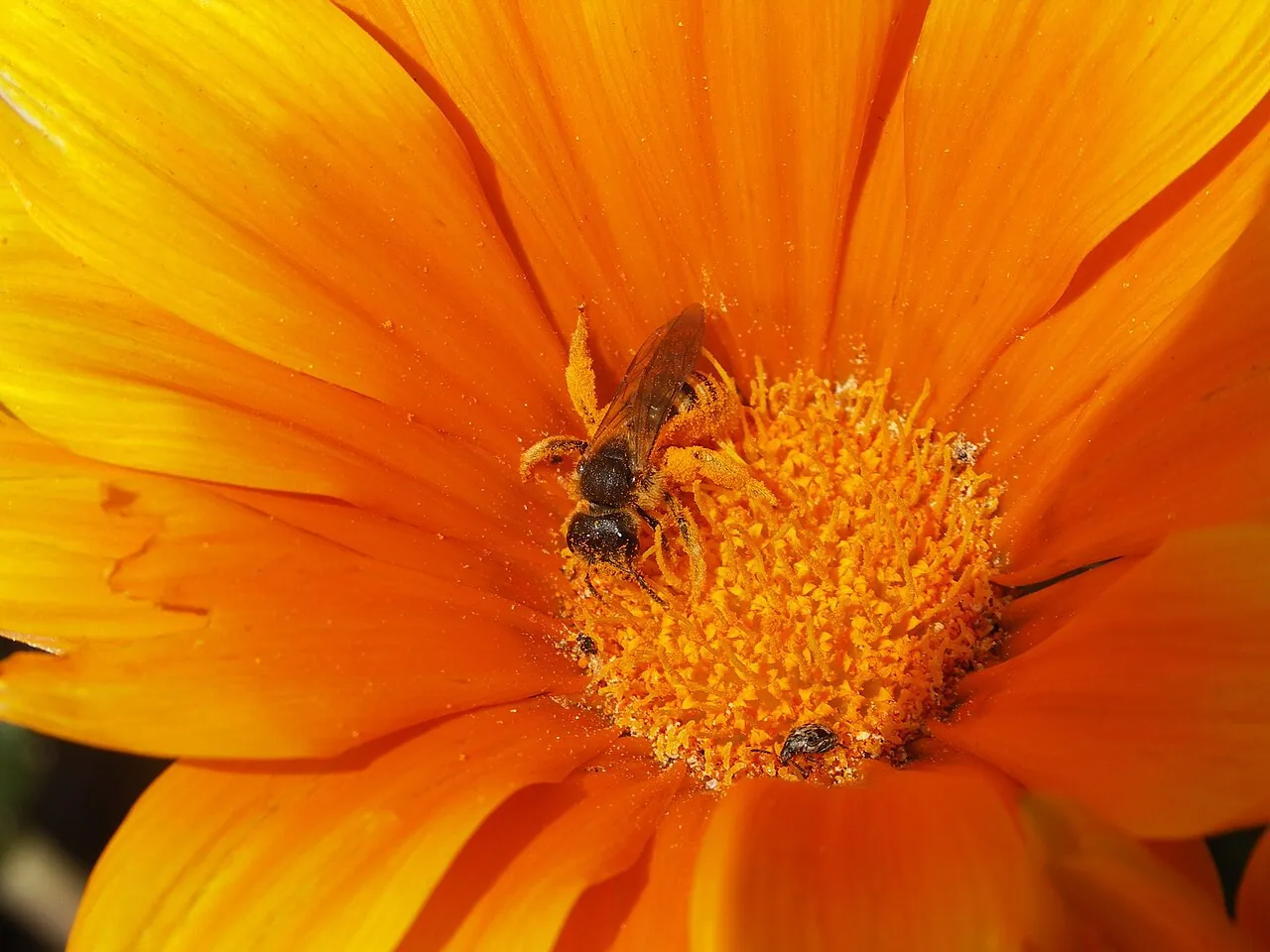
Examine whether the centre is accessible and whether the flower has been bred into a dense mass of petals. An ornamental bloom can be beautiful without offering the same resources as another form of the plant. Avoid judging every cultivar by a photograph of the species. When possible, observe insects visiting actual plants in a nursery or garden. Keep the conditions in mind: weather, time of day and the surrounding flowers influence what you see during a short visit.
Choose a range of structures
Different visitors use different flowers, so variety is more useful than filling every space with one supposedly perfect pollinator plant. Consider open, clustered and tubular flowers suited to your local conditions. Check regional horticultural or conservation guidance rather than assuming a recommended plant is appropriate everywhere. The plant still needs the right light, moisture and space to thrive. A struggling specimen in the wrong position is unlikely to provide a dependable display for either people or insects.
Watch through the season
Choose a few plants and observe them for a short, consistent period on suitable days. Record the broad visitor groups you can identify confidently, such as bees, hoverflies or butterflies. Leave uncertain identifications as uncertain. Notice whether the flower stays accessible as it ages and whether visits continue through the main flowering period. These notes help you understand the planting you have, rather than relying solely on a label that describes potential value under different growing conditions.
Make the flowers part of a habitat
Flowers provide only part of what garden wildlife needs. Include shelter, suitable nesting opportunities and a maintenance routine that avoids unnecessary disturbance. Think carefully before applying a treatment to a flowering plant, and use accurate identification and cultivation changes as the starting point for plant-health problems. Keep your favourite decorative flowers if you enjoy them; simply balance the collection with plants that offer accessible resources. A useful garden can include personal pleasure and ecological care without making every flower perform the same role.
A little further reading
Match these general notes to your plant variety, climate and local conditions.