Begin with local butterflies
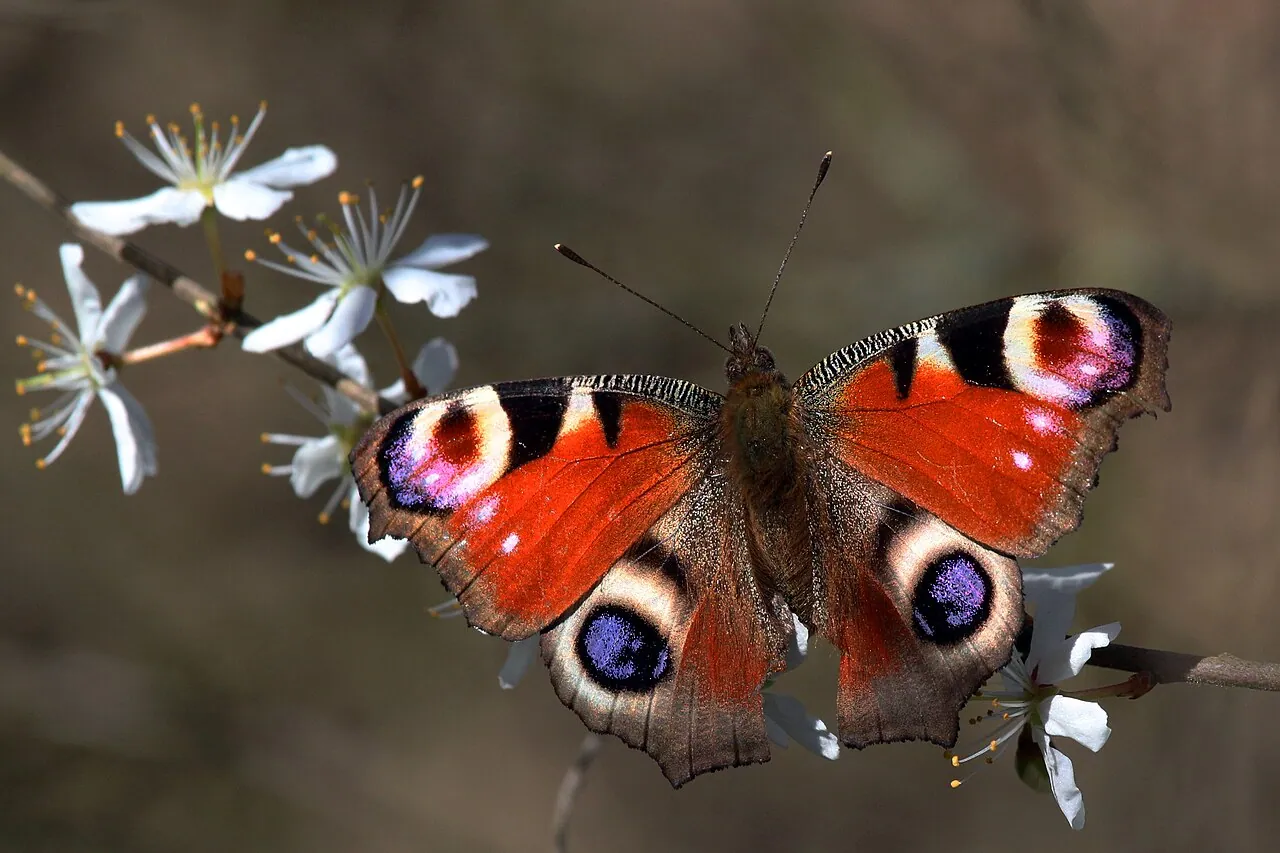
Use a regional conservation guide to learn which species are likely to occur and which plants their caterpillars use. A nectar plant recommended elsewhere may attract adults without supporting local breeding. Keep the distinction clear in your notes: flower visited, egg-laying plant and larval food plant are not automatically the same thing. Start with one or two species you can identify confidently rather than designing around an impressive list of butterflies that may never occur in your area.
Plan for leaves to be used
If you provide suitable caterpillar food plants, some feeding damage is part of the intention. Choose a place where that is acceptable and where the plant can remain through the relevant life cycle. Avoid putting every host plant in a highly controlled display that must look untouched. Keep plant identities accurate and check regional suitability. Do not introduce an invasive plant simply because it supports a butterfly in another country. Local ecological context matters as much as the attractive adult insect.
Provide shelter and accessible flowers
Suitable nectar plants, sheltered sunny places and areas left undisturbed can contribute alongside host plants. Arrange them to fit the garden's conditions rather than forcing a sun-loving flower into a shaded gap. Avoid unnecessary pesticide use around the planting. Observe visitors from a respectful distance and do not move eggs or caterpillars simply for a better photograph. A garden that allows ordinary behaviour is more useful than one that repeatedly interrupts it in the effort to document success.
Record stages, not only sightings
Note the date, plant and behaviour when you see an adult, possible eggs or caterpillars. Keep uncertain identifications labelled as such. Photographs can support later identification, but local recording schemes may have their own requirements. Do not interpret one absent week as a failed planting; weather and seasonal timing affect observations. Over time, the record can show whether the garden offers a passing meal, a place to reproduce or a combination of resources at different stages.
A little further reading
Match these general notes to your plant variety, climate and local conditions.