Distinguish shade from darkness
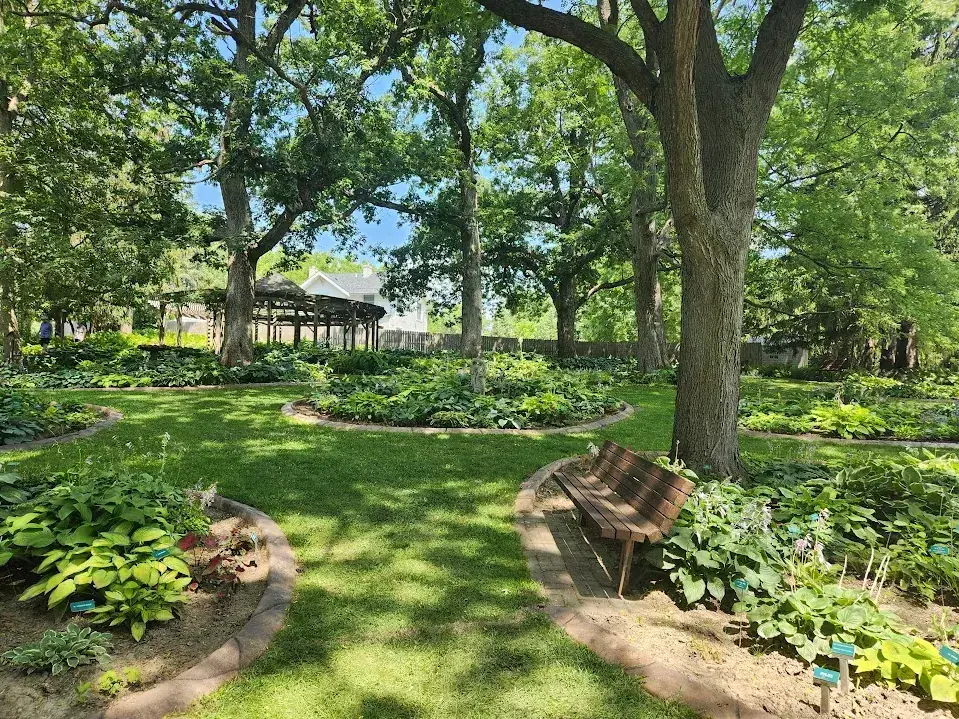
Observe the courtyard through the day and note where it receives direct sun, open sky or only reflected light. A bright open courtyard is different from a narrow space enclosed by tall walls. Check moisture separately, including dry areas beneath eaves and wet areas near drains. Match plants to that combination rather than choosing everything marketed for shade. Keep an initial photograph from the doorway; it provides a fixed viewpoint for judging how the planting changes the space.
Choose three leaf characters
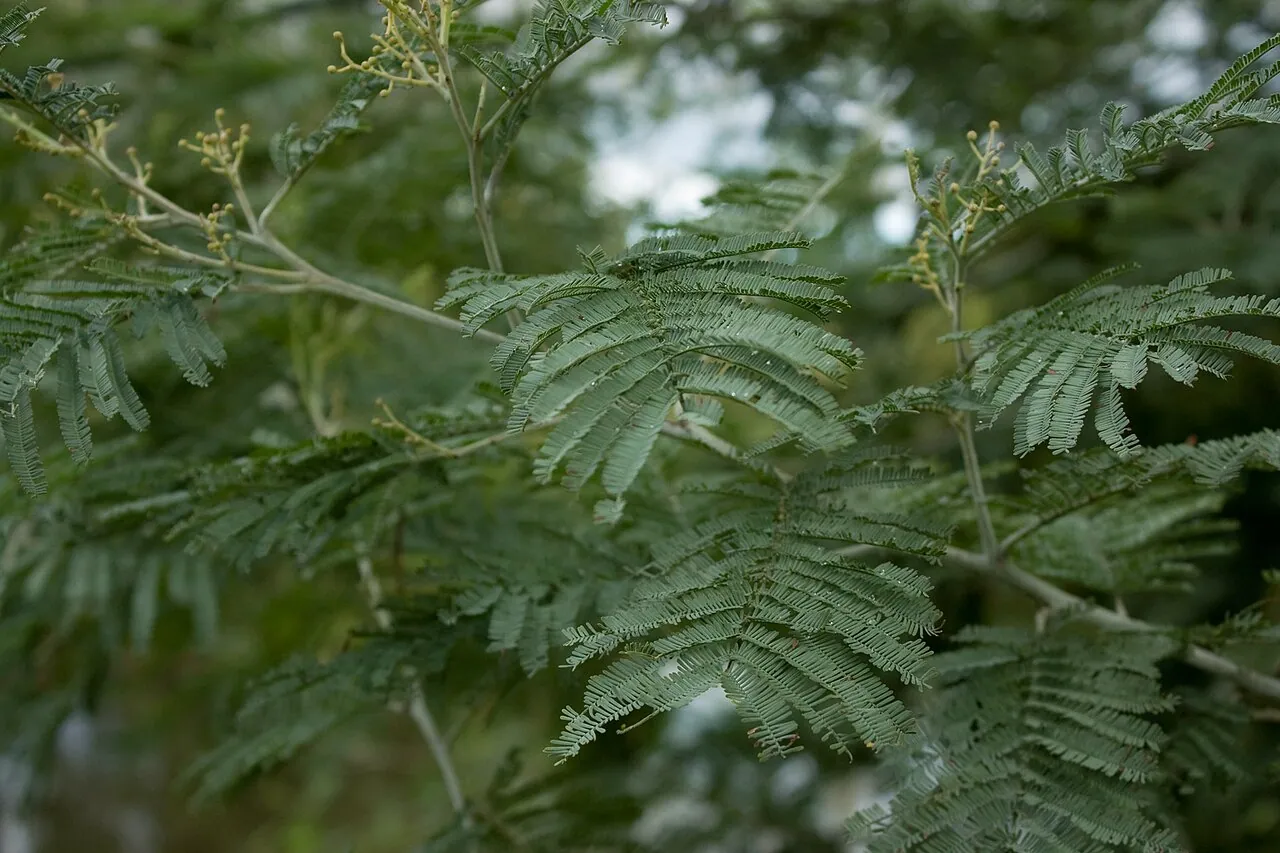
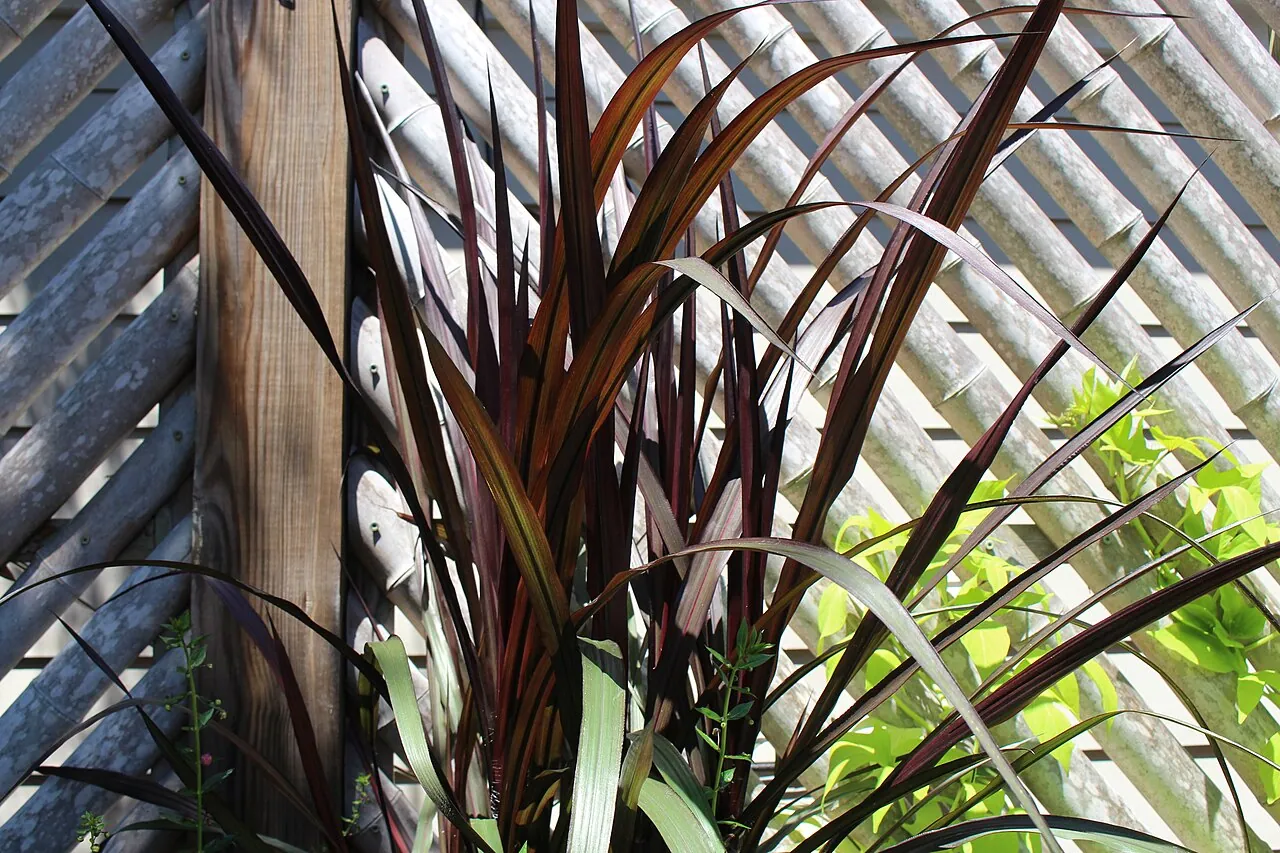
Begin with a small number of contrasting leaf types, such as a broad smooth leaf, a finely divided frond and a narrow upright blade. Select suitable plants for your climate and moisture conditions before refining their colours. The contrast should be clear from the normal viewing distance. Too many similarly small leaves can become a flat texture in low light. Arrange nursery pots temporarily and step back, checking whether each plant contributes a distinct shape rather than simply adding another shade of green.
Leave room around the strongest form
A bold leaf or a well-shaped fern becomes more effective when its outline can be seen. Avoid surrounding every specimen with a dense ring of competing foliage. Use a quiet surface, a restrained container or a patch of open ground to give the eye a place to rest. Consider mature spread so that the intended gaps do not vanish within a season. Keep paths and watering access clear, especially where the courtyard's corners are difficult to reach once plants fill out.
Use flowers as seasonal punctuation
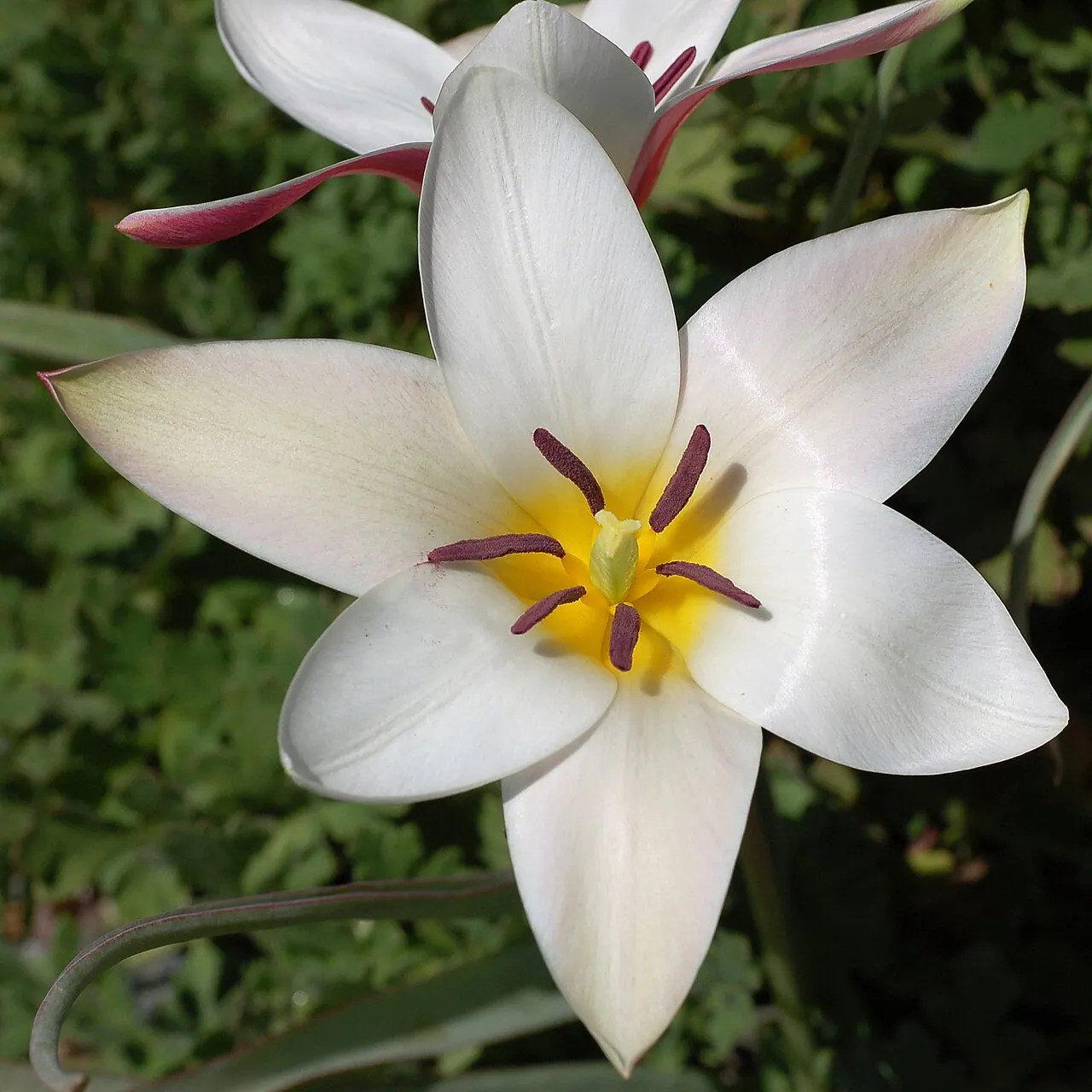
Add a few compatible flowering plants if the light supports them, but let foliage carry the composition through quieter periods. Record which leaves remain attractive in winter and which disappear. That information helps prevent an unexpectedly bare courtyard after a strong summer display. Review the arrangement in a photograph rather than only at close range. If the picture lacks definition, removing or moving one competing plant may restore the contrast more effectively than buying a brighter flower for the same crowded spot.
A little further reading
Match these general notes to your plant variety, climate and local conditions.