Look closely at the collapse
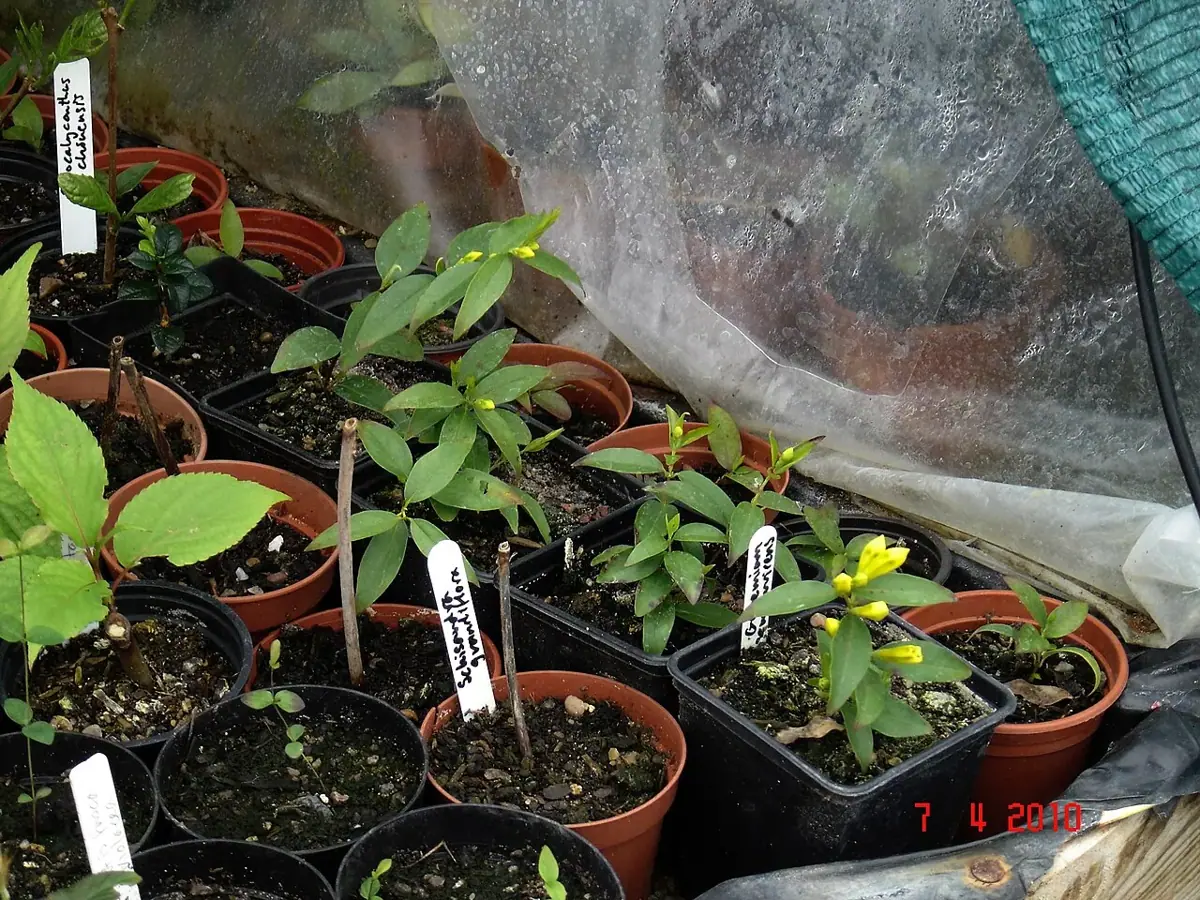
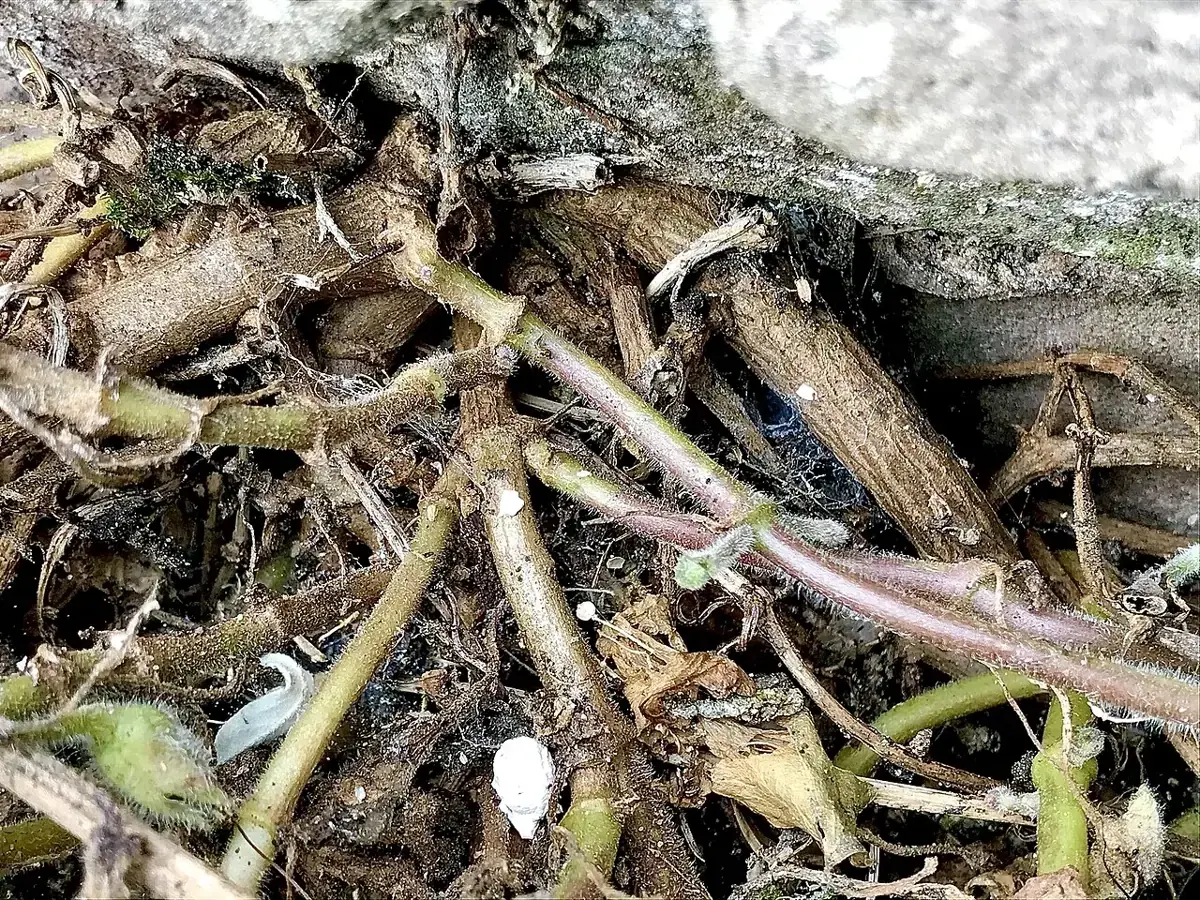
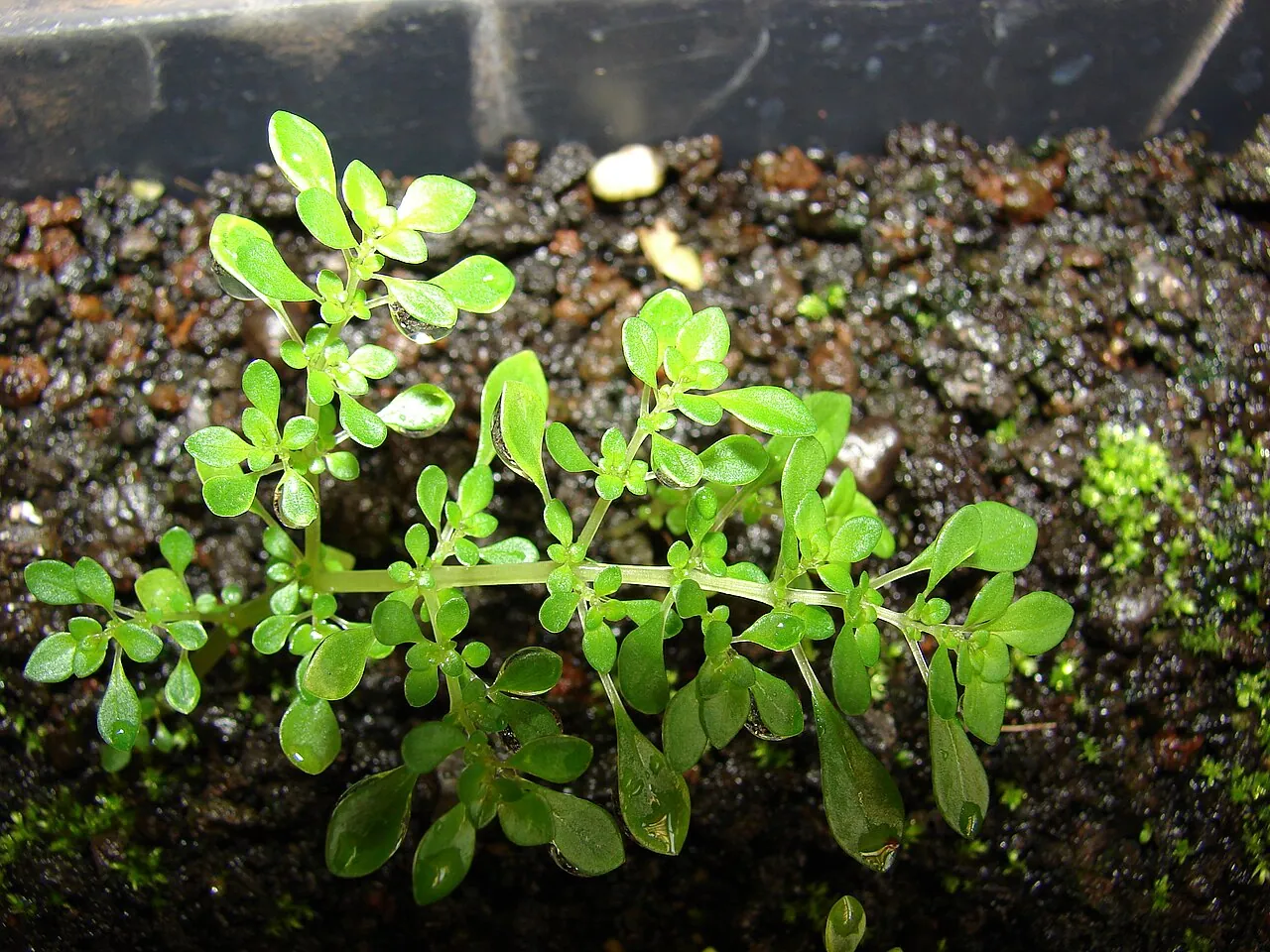
Seedlings that topple with a constricted or decaying area near the soil line may be affected by damping off, a problem caused by several different organisms. Some losses occur before seedlings emerge, leaving apparently empty cells. Do not assume every failed seed was nonviable or every fallen seedling was underwatered. Photograph the affected area and note the distribution. A patch spreading through a damp crowded tray gives a different clue from one broken stem beside an accidental watering-can impact.
Remove affected material carefully
Separate the affected tray from healthy seedlings while assessing it. Remove collapsed plants and associated contaminated material rather than trying to prop them upright. Clean tools and avoid transferring wet debris between trays. If losses are extensive, restarting in clean containers with fresh appropriate medium may be more useful than attempting to save a compromised sowing. Do not scatter the old medium over another seed tray or reuse it immediately for a second attempt.
Review the environment that favoured trouble
Dense sowing, persistent wetness, poor air movement and slow growth in unsuitable light or temperature can increase problems. Check whether a cover stayed on too long after emergence, whether the tray sits in standing water and whether the medium drains properly. Improve these conditions in a way suited to the species. A fan blowing hard enough to dry or flatten seedlings is not the objective; gentle ventilation and an appropriate moisture balance are more useful than extremes.
Make the next sowing a controlled comparison
Use cleaned containers, fresh suitable medium and a smaller sowing quantity. Label the new tray clearly and record the changes made. Keep it in a position where emergence can be checked daily without repeatedly handling the plants. Compare survival and growth with the previous attempt, noting any repeated pattern. Avoid relying on unverified household remedies that may damage delicate tissue. A good record of hygiene, moisture and timing helps prevent recurrence and gives an extension service useful information if losses continue despite a carefully managed restart.
A little further reading
Match these general notes to your plant variety, climate and local conditions.