Feel the change along the shoot
Semi-ripe material is taken from the current season's growth after the lower part has begun to firm while the tip remains softer. This often occurs in later summer, but climate and species change the timing. Compare several shoots on the parent before selecting one. Avoid assuming the oldest-looking branch is best; fully woody material belongs to a different method. Choose healthy, typical growth and consult the plant's specific propagation guidance before deciding length and preparation.
Keep the batch small and identifiable
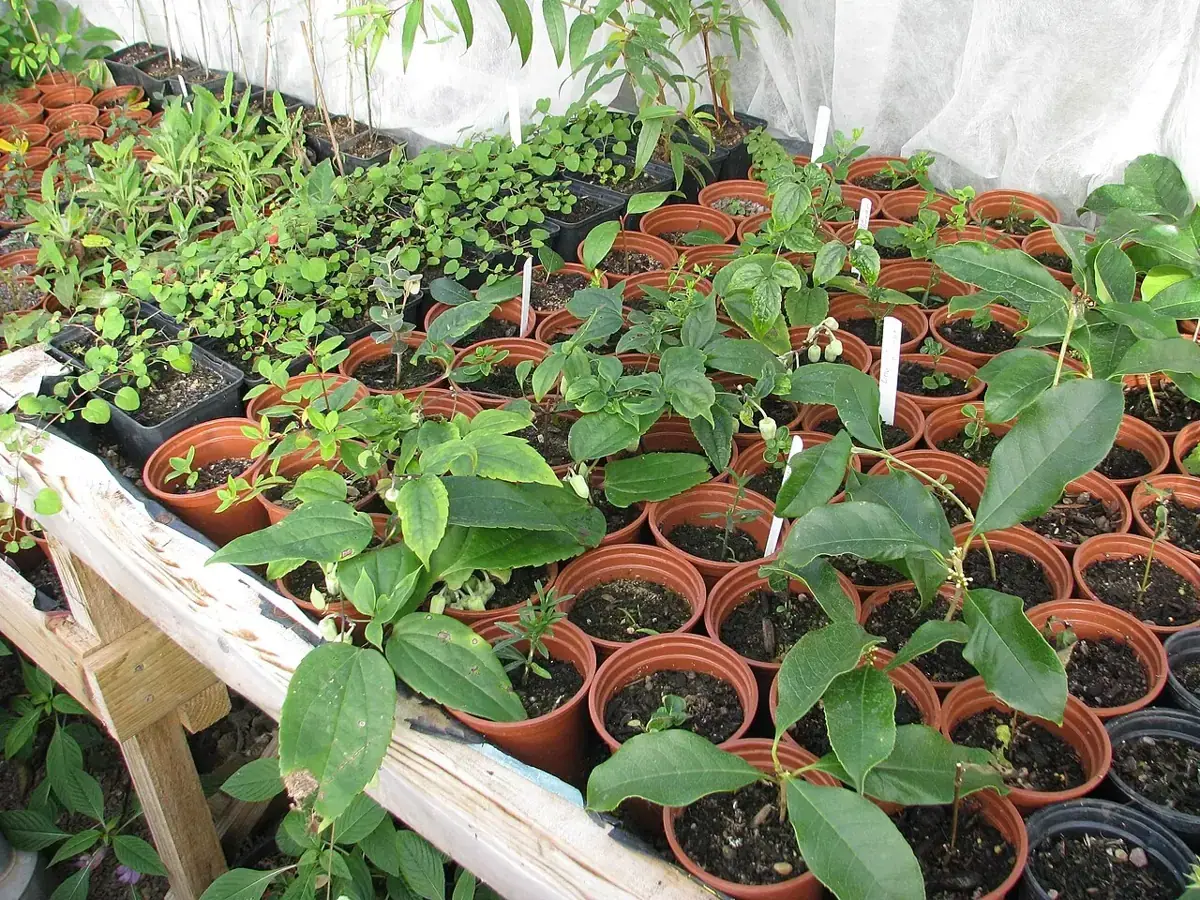
Prepare clean containers and a suitable draining propagation medium before collecting shoots. Write labels with the plant name, cultivar and date. If testing two preparation methods, keep them in separate labelled groups rather than relying on their position in a tray that may later be rotated. Collect only what can be prepared promptly and protect it from drying. A small successful batch with clear records is more useful than many anonymous cuttings from several shrubs mixed together on the bench.
Prepare the base for contact
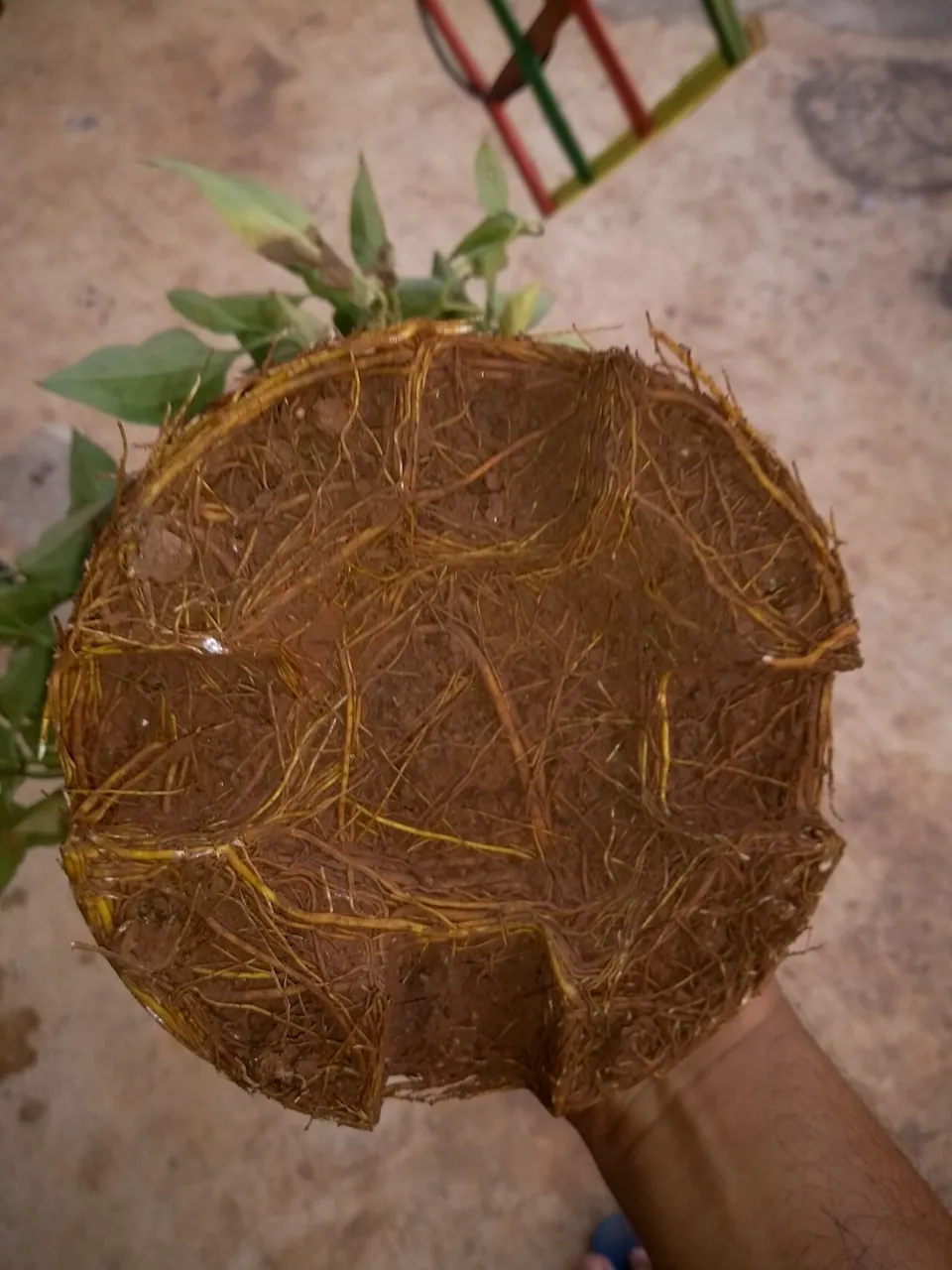
Remove lower leaves that would be buried and make a clean basal cut appropriate to the species. Some plants benefit from a heel or a particular wound treatment, but these are not universal requirements. Use rooting hormone only where appropriate and according to its directions. Insert cuttings so the prepared base contacts the medium without a large air pocket. Keep remaining leaves above the surface and sufficiently spaced for inspection, rather than pressing the entire batch into a crowded ring.
Plan beyond the first roots
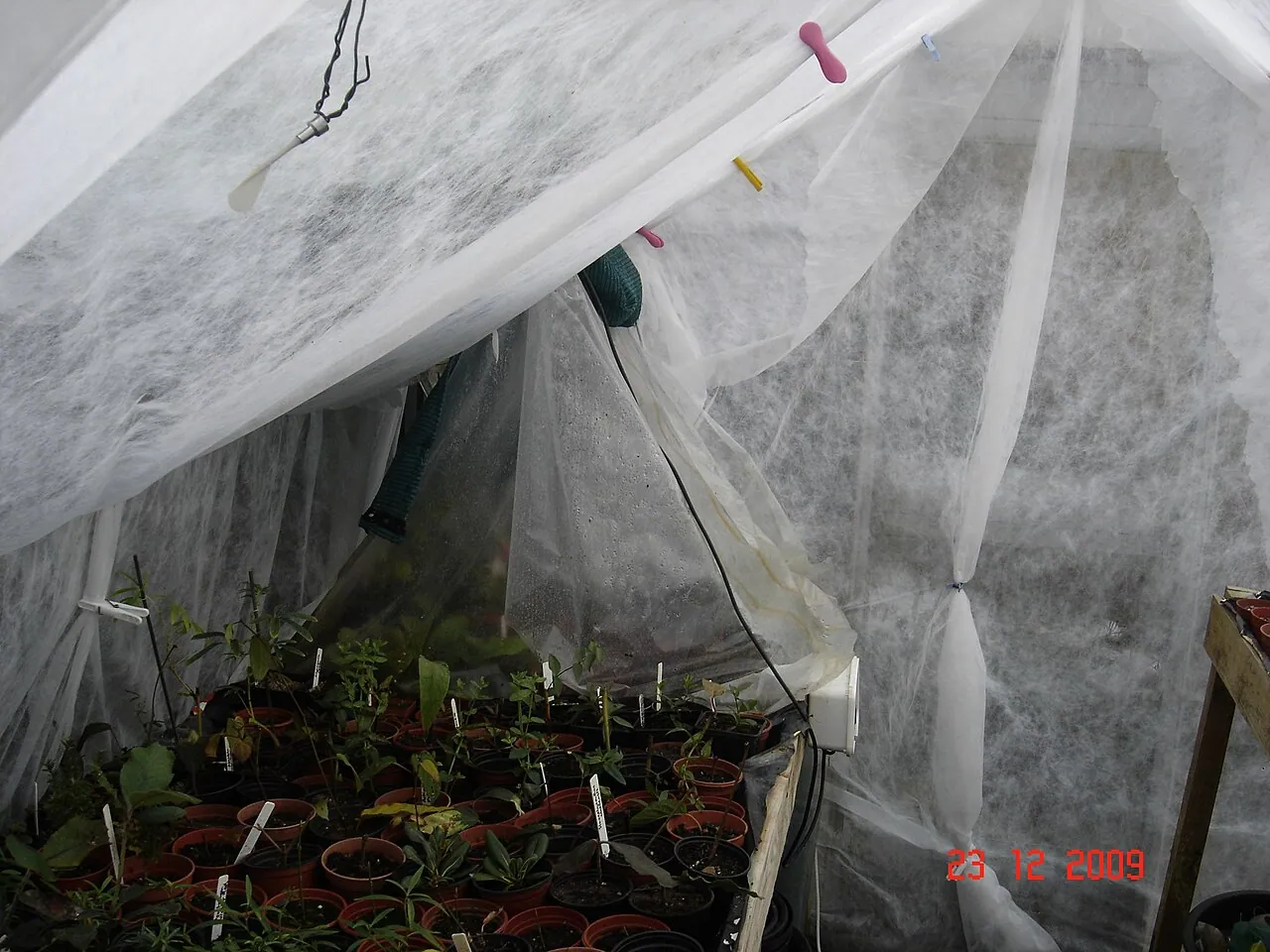
Provide suitable humidity, light and temperature while avoiding saturation and overheating. Once rooted, young plants need gradual adjustment to less protected conditions and an appropriate plan for winter. Do not rush a weak cutting into a large pot or an exposed bed because the first root has appeared. Record which cuttings survive the full transition into established plants, not merely which produce initial roots. That distinction is useful when comparing methods: a successful propagation routine includes the quieter months after rooting, when small plants still depend on careful moisture and temperature management.
A little further reading
Match these general notes to your plant variety, climate and local conditions.