Prepare before you pick
Set out a clean bucket, water and sharp cutting tools before entering the garden. Decide how many stems the intended vase can comfortably hold, then gather selectively rather than stripping the most attractive plant. Morning is generally a useful time to cut, before the heat of the day has stressed the stems. Put each cut stem into water promptly. If several flowers share a border, leave enough display behind to enjoy outdoors and enough blooms for any seed saving or wildlife plans you have made.
Match the harvest stage to the flower
A tightly closed bud is not automatically the best choice for vase life. Different flowers open differently after cutting, so check the requirements of the species you are harvesting. Look for sound stems and flowers without serious bruising, faded edges or obvious pest damage. Keep a simple record when you try an unfamiliar plant: the harvest stage, date and how it developed indoors. This gives your own garden a practical reference rather than making every bouquet depend on a general rule about unopened buds.
Give the stems a clean start
Remove foliage that would sit beneath the water line and make clean cuts with a suitable sharp tool. Let the stems take up water before you spend time arranging them. Avoid crushing or hammering their ends as a routine treatment. Use a commercial flower food according to its instructions if you choose one; improvised mixtures are difficult to dose consistently. Keep the working area tidy enough that freshly prepared stems are not laid back onto soil, old leaves or the remains of the previous arrangement.
Treat the display as a living process
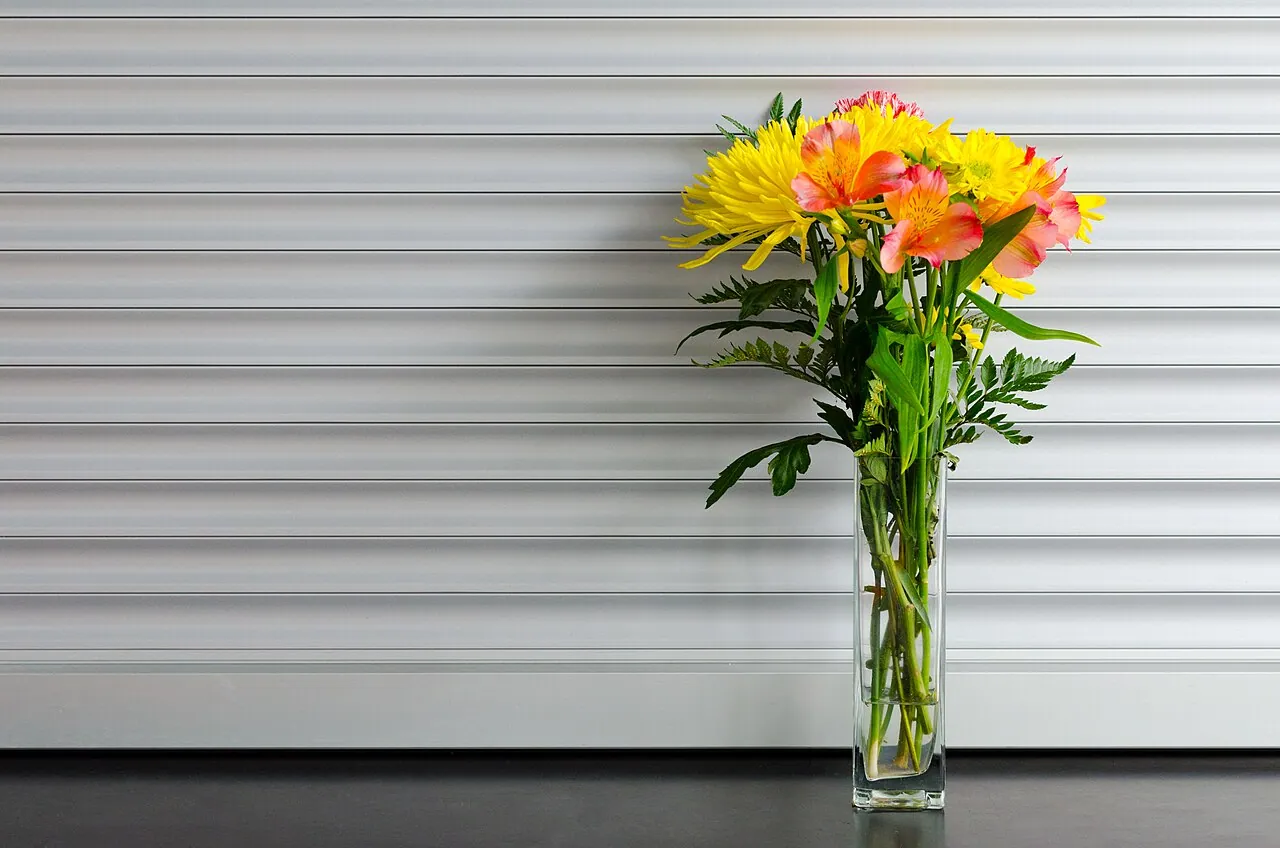
Place the vase where you can enjoy it without exposing the flowers to a hot radiator or prolonged direct sunshine. Check the water level and appearance regularly, especially when several thirsty stems share a small container. Remove fading material and refresh the arrangement as needed instead of waiting for the entire bouquet to collapse. On a note beside your garden record, write which flowers lasted well and which disappointed. That observation can influence next year's cutting patch more usefully than adding ever more stems to today's vase.
A little further reading
Match these general notes to your plant variety, climate and local conditions.