Establish how long wet really means
Record the last thorough watering and compare the pot's weight over the following days. Check below the surface, since a dry crust can conceal a wet centre. Consider recent changes in temperature, daylight and plant growth. A pot drying more slowly during a cool dark period is not automatically diseased, but persistent saturation deserves attention. Note whether the plant has recently been moved into a much larger container, leaving a broad ring of medium that roots have not yet occupied.
Inspect the container before the roots
Remove the growing pot from its decorative sleeve and look for standing water. Confirm that drainage holes are open and that the pot sits in a way that allows runoff to escape. If these simple checks explain the problem, correct them before repeatedly disturbing the roots. Compare moisture near the original root ball with the surrounding new mix where accessible. Different textures can behave differently, so the plant may have a dry core inside a wet outer zone or the reverse.
Examine tissue when decline continues
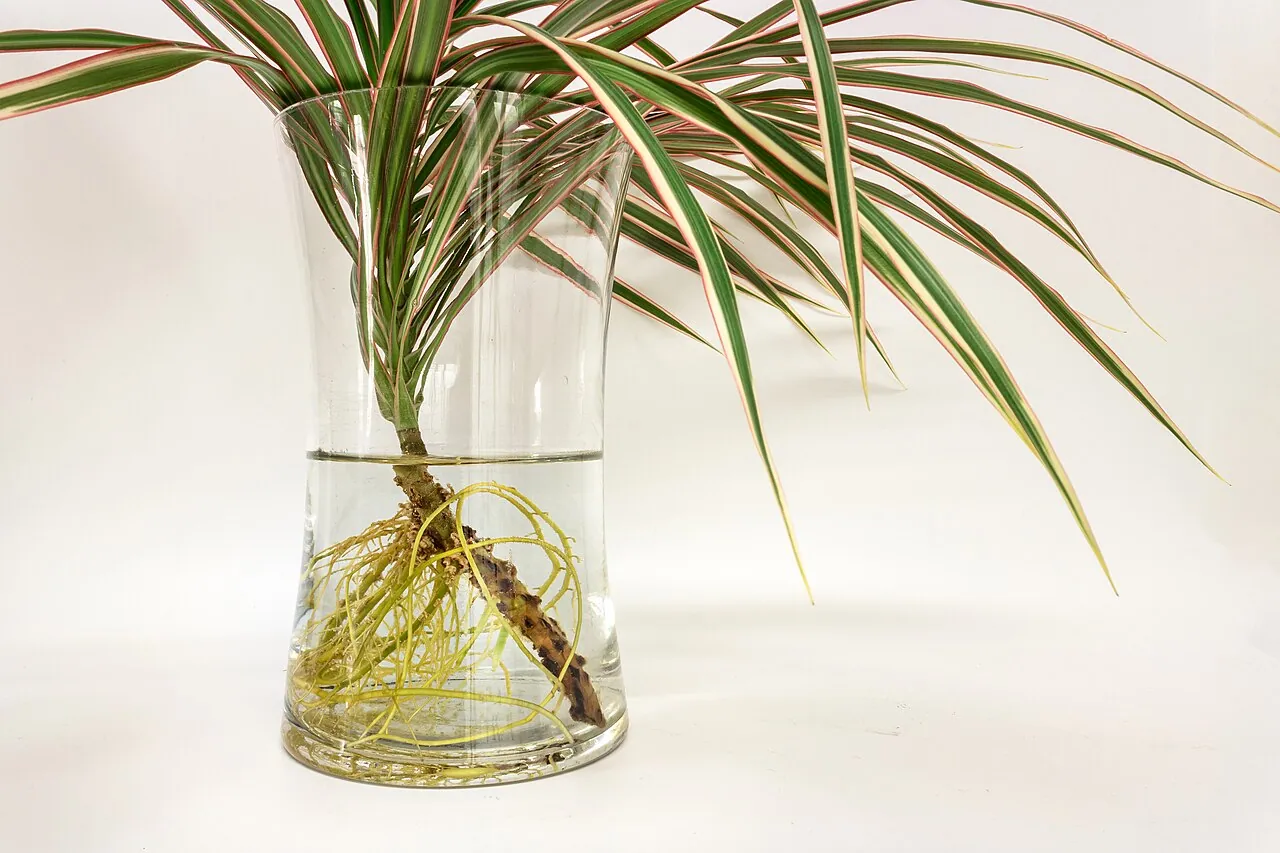
If leaves are deteriorating and the medium remains wet, ease the plant out carefully for inspection. Healthy roots vary in colour, but firmness and integrity help distinguish them from soft decaying tissue. Record what you see rather than naming a specific pathogen from appearance alone. Remove clearly rotten material with clean tools if recovery is feasible, and choose an appropriate container for the surviving roots. A plant with a reduced root system may need less, rather than more, pot volume.
Let recovery change the routine
Use suitable fresh medium where needed and provide appropriate light and temperature. Avoid heavy feeding as a response to roots that cannot function properly. Monitor moisture based on the remaining root system and allow the species' suitable drying pattern. Photograph the plant and note any new growth or further loss over time. If extensive decay leaves little viable tissue, replacement or healthy propagation material may be more practical than repeated rescue. The important lesson is the condition that kept the roots wet, so the next plant does not enter the same arrangement.
A little further reading
Match these general notes to your plant variety, climate and local conditions.