Find the living structures first
Before spreading mulch, locate the crowns of perennials, the stems of shrubs and any dormant bulbs or small seedlings. Remove weeds and identify plants that require an exposed crown or rhizome. A bare-looking patch may contain growth that has not emerged yet. Mark uncertain positions rather than covering them blindly. Take a photograph of the bed before work begins, especially if a thick layer of foliage currently hides where several plants meet the soil.
Choose material for the actual purpose
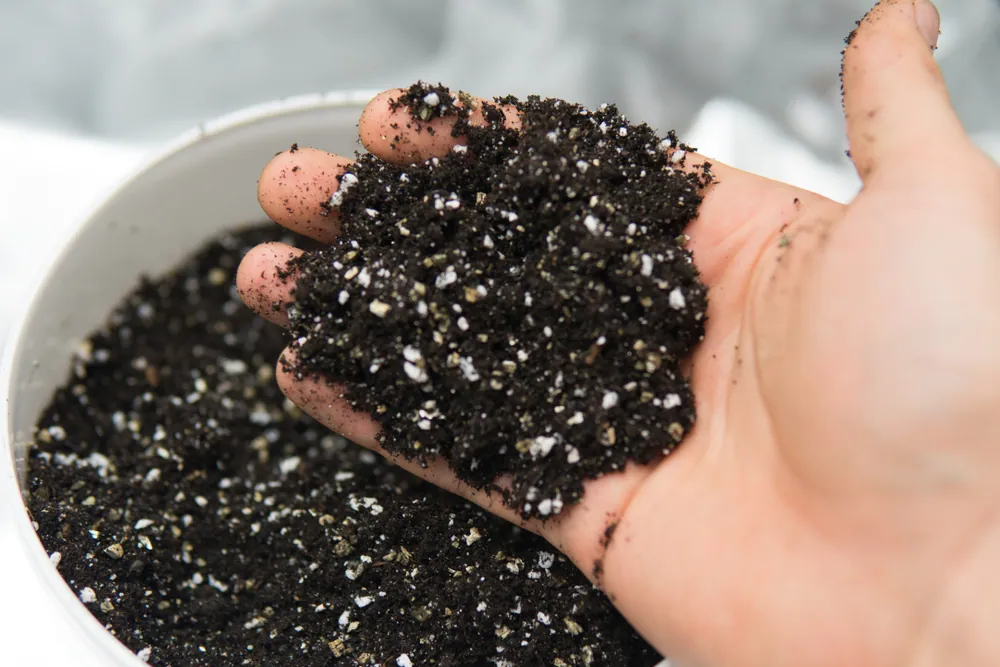
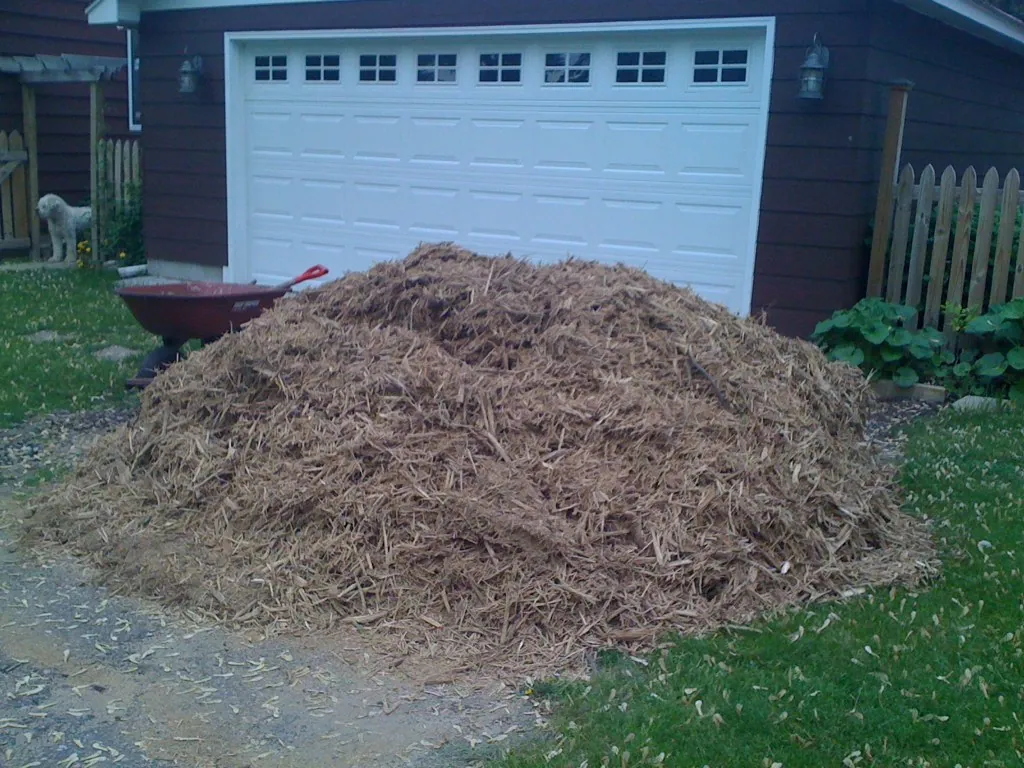
Organic mulches such as well-rotted compost or suitable bark can conserve moisture and gradually contribute organic matter, while mineral materials have different effects and maintenance needs. Match the choice to the plants, soil and intended appearance. Check that the material is sufficiently mature and suitable for use around the planting. A decorative finish should not override a plant's need for drainage or an exposed crown. Plan where the mulch will stop along paving so it does not repeatedly wash onto the path.
Spread a layer with deliberate gaps
Apply an appropriate depth over prepared soil that is suitably moist, avoiding frozen or waterlogged conditions. Keep mulch away from direct contact with trunks and stems, and leave sensitive crowns clear. Do not mound material into a volcano around a tree or bury perennial growing points in pursuit of a perfectly even surface. Use a small hand tool near plants rather than tipping a whole barrow over them. Step back periodically to check that the clear areas remain visible and consistent.
Inspect after settling and weather
Rain, watering and animal activity can move mulch into gaps that were carefully left at application. Recheck crowns and trunk bases after the first substantial wet period and pull material back where needed. Before topping up next year, measure or inspect what remains instead of adding another full layer automatically. Record the material and approximate amount used, then note whether moisture retention and weed control improved. The useful outcome is a healthier, easier-to-manage soil surface, not an increasingly deep blanket that gradually raises the planting depth around every established plant.
A little further reading
Match these general notes to your plant variety, climate and local conditions.