Write the reason for the cut
Is the goal to remove damaged growth, maintain a trained form, encourage future flowers or reduce a plant that has outgrown its space? Those are different jobs. Naming the goal helps you find the right instructions rather than searching for a universal pruning month. Identify the plant accurately, including whether it flowers on old or new growth where relevant. If you cannot identify it, photographs taken in leaf and flower may be more useful than an immediate attempt to reshape it.
Understand what would be removed
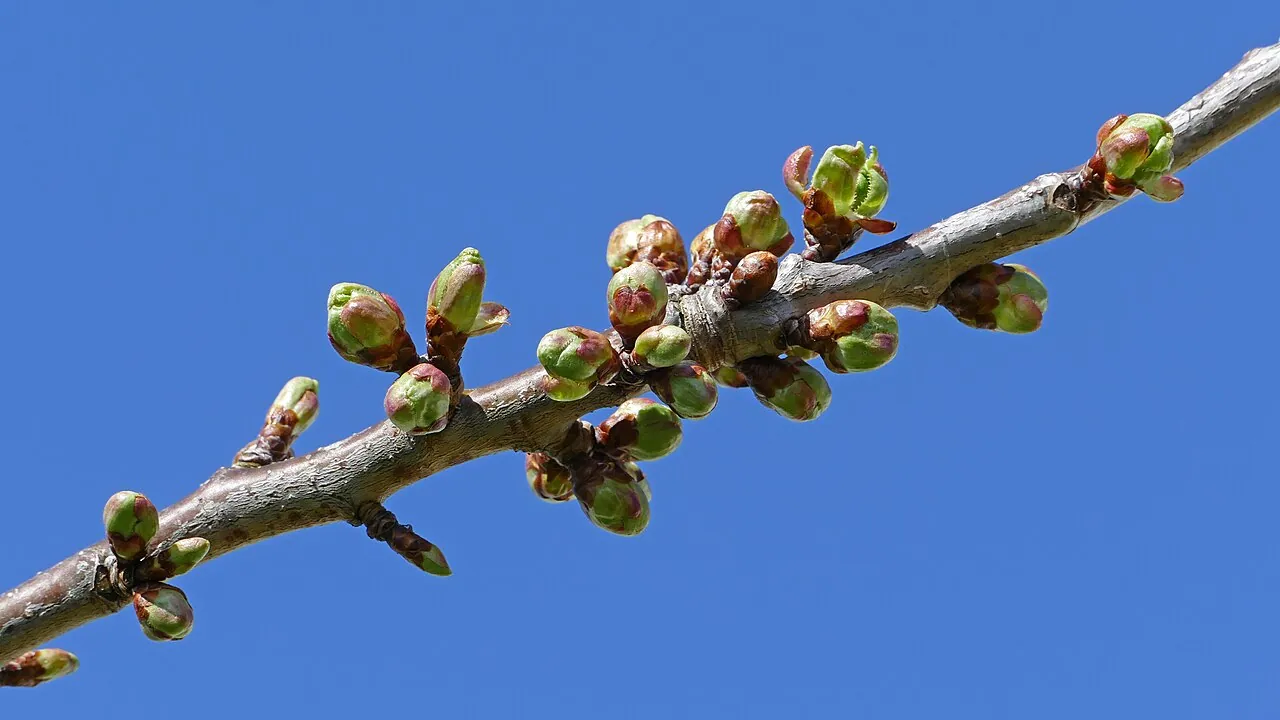
Look at the stems and buds that the proposed cut would take away. A summer-flowering shoot, a developing fruit spur and a long vegetative extension are not interchangeable. Some trained fruit forms have specific summer pruning systems; those instructions should not be transferred automatically to an untrained tree or an ornamental shrub. Sketch the branch arrangement if the instructions feel confusing. A small diagram can make the difference between identifying the intended shoot and cutting the nearest convenient one.
Choose suitable conditions and tools
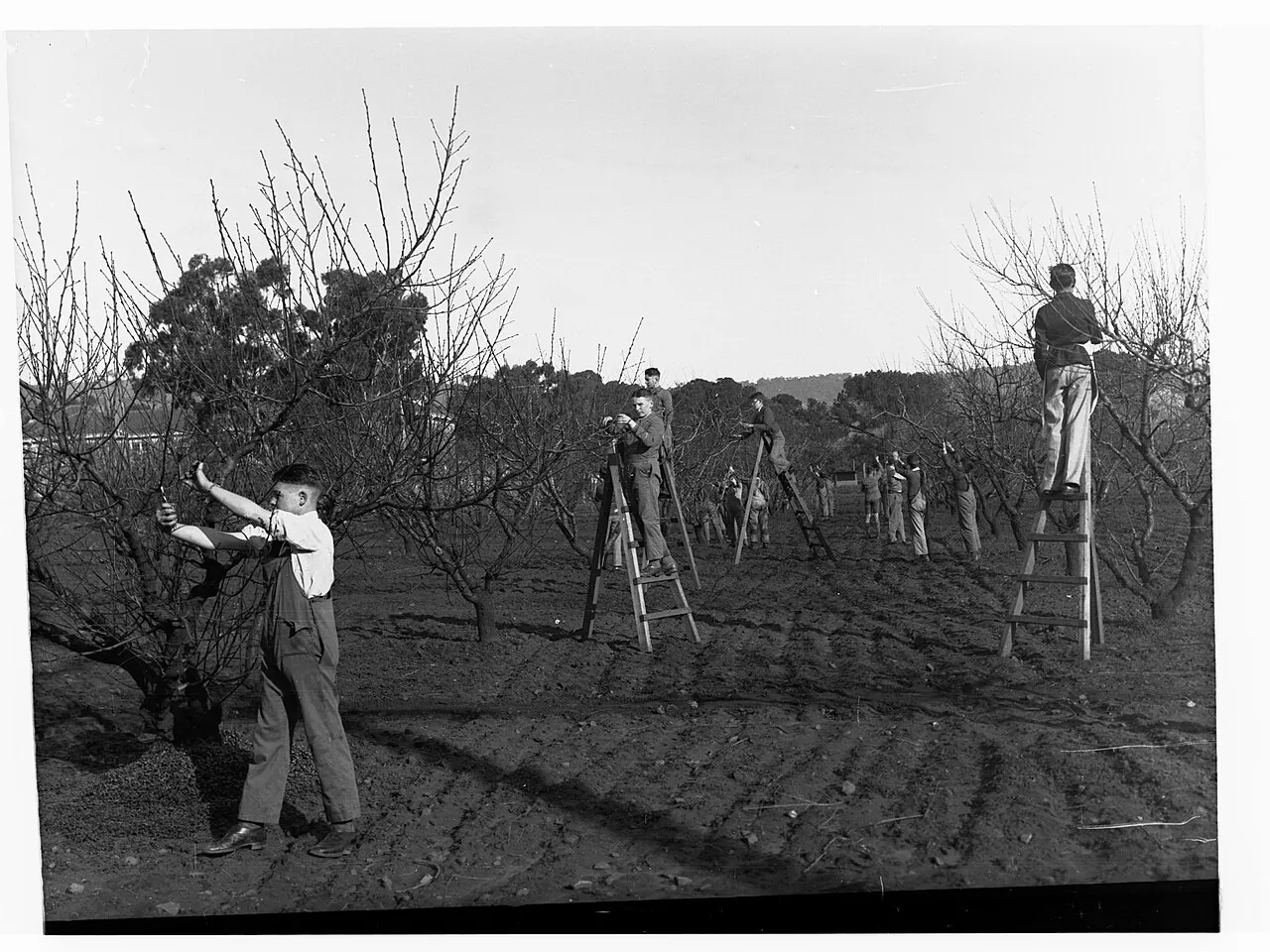
Read plant-specific advice about disease risks and seasonal timing. Use sharp, clean tools suited to the size of the stem, and avoid forcing a small pair of secateurs through substantial wood. Check for active nests or other occupied habitat before work. Keep the task within safe reach; large limbs and complex tree work require appropriate expertise. Make fewer, considered cuts and step back to inspect the result rather than trimming continually until the outline happens to look even.
Record the response in its next season
Note the date, purpose and approximate amount removed, then photograph the plant. Later, observe where new shoots and flowers appear. This reveals more than judging the plant immediately after pruning, when the intended response has not yet occurred. If the plant repeatedly needs severe reduction, reconsider whether it suits the position. Correct timing can improve maintenance, but it cannot make a naturally large species permanently small without consequences for its appearance and care requirements.
A little further reading
Match these general notes to your plant variety, climate and local conditions.